

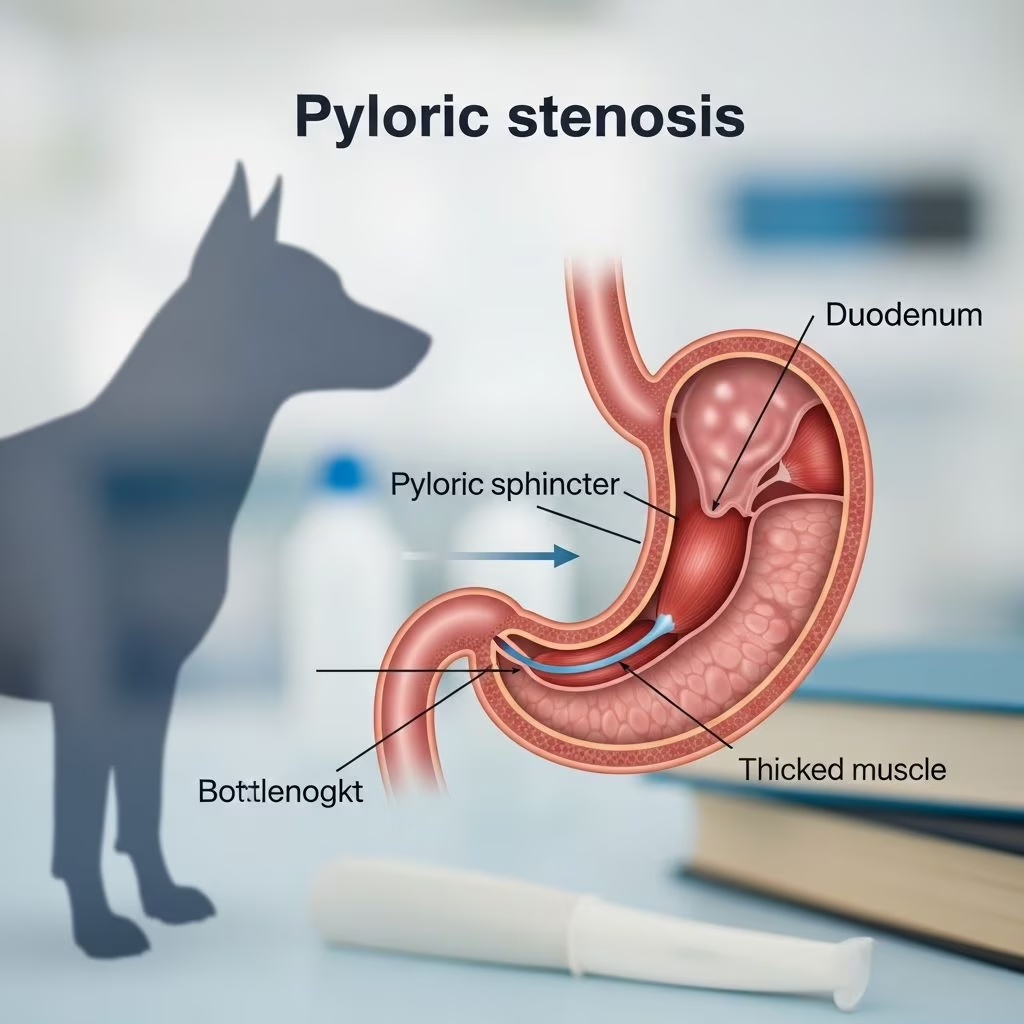
The pylorus serves as the critical gateway between a dog’s stomach and small intestine, regulating food passage through muscular contractions. When this area narrows due to pyloric stenosis, it disrupts normal digestion, often resulting in persistent health challenges for affected dogs. This condition, characterized by thickening of the pyloric muscles or mucosa, manifests in two primary forms: congenital, present from birth, and acquired, developing later in life. Early recognition and intervention are vital for improving outcomes, as untreated cases can lead to severe malnutrition and dehydration.
Understanding the Anatomy and Function of the Pylorus
In canine digestion, the stomach processes ingested food into a semi-liquid chyme before the pylorus propels it into the duodenum. This ring-like structure, lined with smooth muscle fibers, opens and closes rhythmically under neural and hormonal control. Excess gastrin, a stomach-stimulating hormone, or neuromuscular irregularities can prompt abnormal thickening, obstructing outflow and causing contents to back up. Such dysfunction creates a cycle of gastric distension, further hormone release, and progressive hypertrophy.
Types of Pyloric Stenosis: Congenital vs. Acquired
Pyloric stenosis divides into congenital and acquired categories, each with distinct timelines and risk profiles.
- Congenital Form: Appears shortly after weaning, typically between 4-12 weeks, as puppies transition to solid foods. It stems from inherent muscle hypertrophy, often linked to elevated gastrin exposure in utero or genetic factors.
- Acquired Form: Emerges in middle-aged or older dogs, involving gradual mucosal hyperplasia alongside muscle thickening. Triggers may include chronic gastritis, ulcers, or stress-induced gastrin surges.
This distinction guides prognosis and management, with congenital cases often requiring prompt surgery for growth support.
Primary Causes and Risk Factors
Several mechanisms contribute to pyloric narrowing. In congenital instances, prenatal high gastrin levels from the dam may predispose offspring, suggesting spaying non-breeding females in at-risk breeds before puberty as a preventive measure. Acquired cases correlate with ongoing inflammation, where repeated gastrin stimulation thickens tissues over weeks to months.
Predisposed breeds include:
| Breed Type | Associated Form | Examples |
|---|---|---|
| Brachycephalic | Congenital | Boston Terriers, Boxers, Bulldogs |
| Small Breeds | Acquired | Lhasa Apsos, Shih Tzus, Pekingese, Maltese |
Environmental stressors, undiagnosed ulcers, and certain medications like NSAIDs exacerbate risks by promoting ulceration at the pyloric site.
Recognizing Key Symptoms in Your Dog
Owners often notice symptoms post-feeding, distinguishing true vomiting—forceful expulsion of partially digested food—from passive regurgitation.
- Intermittent vomiting 1-8 hours after meals, sometimes projectile.
- Abdominal discomfort, indicated by restlessness or bloating.
- Progressive weight loss and muscle wasting from nutrient malabsorption.
- Dehydration signs like dry gums, lethargy, or sunken eyes.
- Occasional esophagitis from acidic reflux.
Symptom severity escalates with obstruction degree; mild cases may persist chronically without resolution via medications alone.
Diagnostic Approaches for Accurate Confirmation
Veterinarians employ a multi-step process to confirm pyloric stenosis, starting with history and physical exams revealing distended stomachs or poor body condition.
- Laboratory Tests: Blood work detects anemia from ulcers, electrolyte imbalances from vomiting, or elevated gastrin levels.
- Imaging: Plain radiographs show gastric dilatation; barium contrast studies highlight delayed pyloric passage as a thin trickle into the duodenum.
- Advanced Visualization: Endoscopy allows direct pyloric inspection, biopsy for hyperplasia confirmation, and fluoroscopy assesses motility.
No single definitive test exists; diagnosis integrates clinical suspicion with radiographic evidence, often necessitating exploratory surgery for certainty.
Initial Medical Stabilization Before Surgery
Prior to definitive correction, stabilizing the dog is paramount. Intravenous fluids correct dehydration and alkalosis from gastric acid loss. Anti-emetics reduce nausea, antacids like cimetidine neutralize acids to heal esophagitis, and antibiotics prevent secondary pneumonia or ulceration. These measures optimize anesthesia safety, addressing metabolic derangements over 24-48 hours.
Surgical Interventions: The Gold Standard Treatment
Surgery resolves the obstruction permanently in most cases, with excellent prognoses post-recovery. Common procedures target pyloric widening:
- Pyloromyotomy: Incises muscle fibers without penetrating mucosa, relieving spasm (ideal for muscular hypertrophy).
- Pyloroplasty: Enlarges the canal via longitudinal incision and transverse suturing, suited for combined muscle-mucosal issues.
- Gastrotomy: Rarely, opens the stomach for direct inspection and partial pylorectomy if tumors mimic stenosis.
Post-operative care includes nil per os (NPO) for 24-48 hours, gradual refeeding, and gastroprotectants. Complications like leakage are minimal with experienced surgeons.
Post-Treatment Recovery and Long-Term Management
Most dogs resume normal eating within days, gaining weight rapidly. Monitor for recurrence signs, though rates are low (<5%). Routine check-ups ensure healing; dietary adjustments to small, frequent meals aid adaptation. Owners should avoid NSAIDs and manage stress to prevent gastritis.
Prevention Tactics for At-Risk Dogs
While congenital forms defy prevention, acquired cases benefit from proactive steps:
- Early spaying of predisposed breeds to curb gastrin influences.
- Prompt ulcer treatment with diagnostics like endoscopy.
- Stress reduction and gastritis management via diet.
Genetic screening in breeding programs for brachycephalics may reduce incidence over generations.
FAQs on Pyloric Stenosis in Dogs
What triggers vomiting in pyloric stenosis?
Vomiting occurs due to gastric outflow blockage, typically hours post-meal as contents accumulate.
Is surgery always necessary?
Yes, for significant obstruction; medical therapy stabilizes but does not correct the anatomical defect.
How soon do puppies show congenital signs?
Symptoms emerge after weaning onto solids, around 4-12 weeks.
Can diet alone manage this condition?
No, as thickening persists; surgery is required for resolution.
What is the success rate of treatment?
Over 90% of surgical cases achieve full recovery with proper care.
Prognosis and When to Seek Veterinary Care
With timely surgery, prognosis excels, enabling normal lifespans. Consult a vet immediately for post-meal vomiting persisting beyond 24 hours, especially with weight loss. Early action prevents complications like aspiration pneumonia.
References
- Stomach: pyloric stenosis in Dogs (Canis) — Vetlexicon. Accessed 2026. https://www.vetlexicon.com/canis/gastrohepatology/articles/stomach-pyloric-stenosis/
- Narrowing of Pyloric Canal in Dogs — PetMD. Accessed 2026. https://www.petmd.com/dog/conditions/digestive/c_dg_pyloric_stenosis
- Pyloric Obstruction/Stenosis in Dogs — PetPlace. Accessed 2026. https://www.petplace.com/article/dogs/pet-health/pyloric-obstructionstenosis-in-dogs
- Pyloric Stenosis in Dogs: Causes, Symptoms & More — Hills Pet. Accessed 2026. https://www.hillspet.com/dog-care/healthcare/pyloric-stenosis-in-dogs
- Pyloric Stenosis in Dogs and Cats — Embrace Pet Insurance. Accessed 2026. https://www.embracepetinsurance.com/health/pyloric-stenosis



