

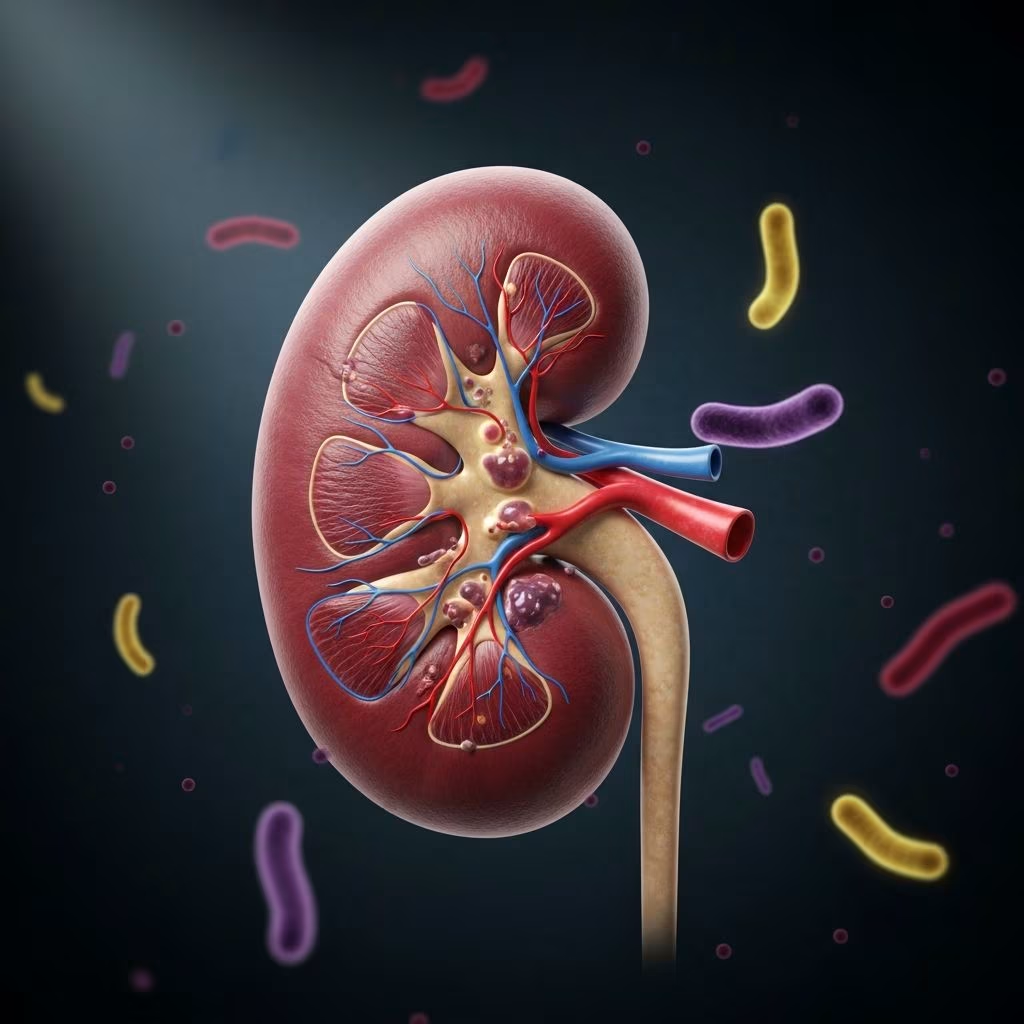
Pyelonephritis: Bacterial Infection of the Kidney in Cats
Pyelonephritis is a bacterial infection of the kidneys that can affect cats of any age, though it becomes more common with advancing age. This condition represents a serious threat to feline health, as untreated infections can lead to kidney failure, sepsis, and potentially life-threatening complications. Understanding the signs, causes, and treatment options for pyelonephritis is essential for cat owners who want to protect their pets’ long-term health and quality of life.
What is Pyelonephritis?
Pyelonephritis is a bacterial infection that affects the kidney tissue and the renal pelvis, which is the funnel-shaped structure that collects urine from the kidney. Unlike lower urinary tract infections that affect the bladder and urethra, pyelonephritis is an upper urinary tract infection that can have more serious consequences if left untreated. The condition typically develops when bacteria ascend from the lower urinary tract or enter the kidneys through the bloodstream.
While pyelonephritis is considered an uncommon condition in cats compared to other feline health issues, it tends to affect cats with predisposing conditions such as lower urinary tract disease, immunosuppression, or chronic kidney disease. Certain cats are at higher risk, particularly those with anatomical abnormalities or those who are immunocompromised.
Causes and Risk Factors
Several factors can predispose cats to developing pyelonephritis. Understanding these risk factors can help cat owners take preventive measures and seek early intervention when necessary.
Predisposing Conditions:
- Pre-existing lower urinary tract infections or disease
- Chronic kidney disease
- Diabetes mellitus
- Urinary blockages or obstruction
- Kidney stones or calculi
- Immunosuppression or weakened immune system
- Anatomical abnormalities of the urinary tract
- Advanced age
The bacteria most commonly associated with pyelonephritis in cats include E. coli, Proteus, and other gram-negative organisms. These bacteria typically ascend from the bladder through the urethra or can reach the kidneys via the bloodstream during systemic infections.
Clinical Signs and Symptoms
One of the most challenging aspects of diagnosing pyelonephritis in cats is that clinical signs can be highly variable and may be minimal or even absent, particularly in chronic cases. Many cats with kidney infections display no obvious symptoms, which is why regular veterinary care and diagnostic screening are important for at-risk cats.
Common Clinical Signs Include:
- Increased thirst (polydipsia)
- Increased urination (polyuria)
- Fever
- Vomiting
- Decreased appetite or anorexia
- Lethargy and general malaise
- Weight loss
- Pain or discomfort in the abdomen or kidney area
- Blood in the urine (hematuria)
- Straining to urinate
- Producing small amounts of urine frequently
- Urine with an unpleasant odor
- Vocalizing during urination
- Back pain
- Oral ulcers (in some cases)
It is important to note that recent studies have shown cats with pyelonephritis are less likely to experience fever and abdominal discomfort than previously thought, though these symptoms can still occur in some cases. Additionally, symptoms can be more severe when the infection causes acute renal failure or progresses to sepsis.
Diagnosis of Pyelonephritis
Accurate diagnosis of pyelonephritis requires a combination of clinical evaluation and diagnostic testing. Your veterinarian will perform a thorough physical examination and may detect pain or tenderness when palpating the kidney area or abdomen.
Diagnostic Tests:
- Urinalysis to detect abnormalities such as protein, blood, and white blood cells
- Urine culture and sensitivity testing to identify the specific bacteria and appropriate antibiotics
- Blood work including complete blood count and chemistry panel
- Abdominal ultrasound to visualize kidney structure and detect abnormalities
- Contrast radiographs (x-rays) in some cases to provide detailed imaging
Urine culture is particularly important because it allows your veterinarian to identify the exact bacterial organism causing the infection and determine which antibiotics will be most effective. This ensures targeted antibiotic therapy rather than empirical treatment.
Treatment Options for Pyelonephritis
Treatment for pyelonephritis depends on the severity of the infection, the cat’s overall health status, and any underlying conditions contributing to the kidney infection. The primary goal of treatment is to eliminate the bacterial infection, prevent kidney damage, and restore normal kidney function.
Antibiotic Therapy:
Antibiotics are the cornerstone of pyelonephritis treatment. Treatment typically requires long-term antibiotic administration, with recommendations ranging from 4 to 8 weeks to ensure complete elimination of the infection and prevent recurrence. In some cases, high dosages may be necessary. The choice of antibiotic depends on urine culture and susceptibility test results. First-line antibiotics for suspected pyelonephritis include fluoroquinolones (such as pradofloxacin or enrofloxacin) and third-generation cephalosporins (such as cefpodoxime or cefotaxime). Renally excreted drugs like amoxicillin can achieve high concentrations in urine and may be used for empiric treatment of lower urinary tract infections.
It is important to note that at-home therapy alone is not effective in treating pyelonephritis, and professional veterinary intervention is essential. Following your veterinarian’s complete antibiotic course is crucial, even if your cat appears to improve before completing the full treatment duration.
Hospitalization and Supportive Care:
Less severe cases in cats that are well-hydrated and eating well may be treated on an outpatient basis with oral antibiotics and pain medications. However, more severe cases typically require hospitalization, particularly when cats exhibit:
- Poor appetite or refusal to eat
- Severe dehydration
- Signs of acute kidney injury
- Evidence of sepsis
- Significant pain
During hospitalization, treatment may include:
- Intravenous (IV) fluid therapy for hydration and kidney support
- Intravenous antibiotics
- Pain medications to manage discomfort
- Anti-nausea medications (antiemetics)
- Close monitoring of kidney function and overall health status
Treatment of Underlying Conditions:
Addressing any predisposing conditions is essential for successful treatment and prevention of recurrence. This may include treatment for kidney stones, management of diabetes, or correction of anatomical abnormalities. In rare cases, surgery to remove the affected kidney (nephrectomy) may be necessary.
Post-Treatment Monitoring and Follow-Up
After completing antibiotic therapy, follow-up care is essential to confirm that the infection has been completely eliminated and to assess kidney function recovery. Your veterinarian will likely recommend:
- Repeat urinalysis to check for persistent infection
- Follow-up urine culture to confirm bacterial clearance
- Kidney function tests through blood work
- Periodic monitoring in the weeks and months following treatment
Some cases of pyelonephritis can be cured through antibiotic therapy, though prognosis varies depending on the nature of the infection and any underlying conditions. Cats with chronic urinary tract disease are at higher risk of recurrent infections, and their bodies may become resistant to antibiotic therapy over time.
Potential Complications
Without prompt and appropriate treatment, pyelonephritis can lead to serious complications that threaten your cat’s life. Potential complications include:
- Sepsis (systemic bacterial infection)
- Acute kidney injury and acute renal failure
- Chronic kidney disease
- Permanent kidney damage
- In severe untreated cases, death
These complications underscore the importance of seeking immediate veterinary care if your cat shows signs of illness or abnormal behavior.
Prevention Strategies
While pyelonephritis cannot always be prevented, several environmental and lifestyle modifications can help reduce the risk of lower urinary tract disease and subsequent kidney infections.
Environmental Management:
- Decrease household stress through environmental enrichment and consistent routines
- Increase water intake by switching to canned food, adding multiple water bowls throughout the home, or using water fountains designed for cats
- Provide multiple litter boxes (the general recommendation is one box per cat plus one additional box)
- Maintain impeccable litter box hygiene by scooping daily and thoroughly cleaning boxes regularly
- Ensure proper litter box placement in quiet, accessible locations away from food and water bowls
These measures are particularly important for cats with a history of lower urinary tract disease, as they are at significantly higher risk for developing pyelonephritis. Regular veterinary check-ups and monitoring, particularly for senior cats or those with predisposing conditions, can help identify infections early before they progress to serious complications.
Frequently Asked Questions About Feline Pyelonephritis
Q: How common is pyelonephritis in cats?
A: Pyelonephritis is considered an uncommon condition in cats overall, but it becomes more prevalent with age and is more common in cats with pre-existing urinary tract disease or immunosuppression.
Q: Can pyelonephritis be cured?
A: Some cases of pyelonephritis can be cured with appropriate antibiotic therapy and supportive care. However, prognosis varies depending on the specific infection, underlying conditions, and how quickly treatment is initiated.
Q: How long does pyelonephritis treatment take?
A: Antibiotic treatment typically lasts 4 to 8 weeks, depending on the severity of the infection and the specific antibiotic chosen. Some cats may require even longer treatment courses.
Q: Is pyelonephritis contagious to other cats?
A: Pyelonephritis itself is not contagious between cats. However, if the infection is caused by a transmissible organism or if there are environmental factors contributing to urinary tract disease, other cats in the household may be at increased risk.
Q: What should I do if I suspect my cat has pyelonephritis?
A: Contact your veterinarian immediately. Prompt diagnosis and treatment are essential to prevent serious complications such as sepsis or kidney failure. Do not attempt to treat this condition at home without veterinary guidance.
Q: Can diet affect pyelonephritis risk?
A: While diet alone does not cause pyelonephritis, maintaining proper hydration and a balanced diet can support kidney health. Discuss dietary recommendations with your veterinarian, especially for cats with chronic kidney disease or urinary tract issues.
When to Contact Your Veterinarian
Contact your veterinarian immediately if your cat displays any of the following signs:
- Fever or signs of systemic illness
- Persistent vomiting or inability to keep food down
- Severe lethargy or collapse
- Blood in the urine
- Significant changes in urination patterns
- Abdominal pain or signs of discomfort
- Loss of appetite lasting more than a few hours
- Any combination of the symptoms listed above
Because pyelonephritis can rapidly progress to life-threatening complications, early detection and prompt treatment are critical for your cat’s health and survival. Your veterinarian is the best resource for diagnosis, treatment planning, and ongoing monitoring of your cat’s condition.
References
- Kidney Infections in Cats — PetMD. Accessed November 2025. https://www.petmd.com/cat/conditions/urinary/kidney-infections-cats
- Infectious Diseases of the Urinary System of Cats — Merck Veterinary Manual, Merck & Co., Inc. Accessed November 2025. https://www.merckvetmanual.com/cat-owners/kidney-and-urinary-tract-disorders-of-cats/infectious-diseases-of-the-urinary-system-of-cats
- Pyelonephritis in Small Animals — Merck Veterinary Manual, Urinary System. Accessed November 2025. https://www.merckvetmanual.com/urinary-system/infectious-diseases-of-the-urinary-system-in-small-animals/pyelonephritis-in-small-animals
- Pyelonephritis — IRIS Kidney, International Renal Interest Society. Accessed November 2025. https://www.iris-kidney.com/pyelonephritis
- Bacterial Infection (Pyelonephritis) of the Kidneys in Cats — Vetster. Accessed November 2025. https://vetster.com/en/conditions/cat/bacterial-infection-of-the-kidneys
- Pyelonephritis — Cornell University College of Veterinary Medicine. Accessed November 2025. https://www.vet.cornell.edu/departments-centers-and-institutes/riney-canine-health-center/canine-health-topics/pyelonephritis
- Kidney Infection In Cats: Pyelonephritis — Kingsdale Animal Hospital. Accessed November 2025. https://www.kingsdale.com/kidney-infection-in-cats-pyelonephritis



