

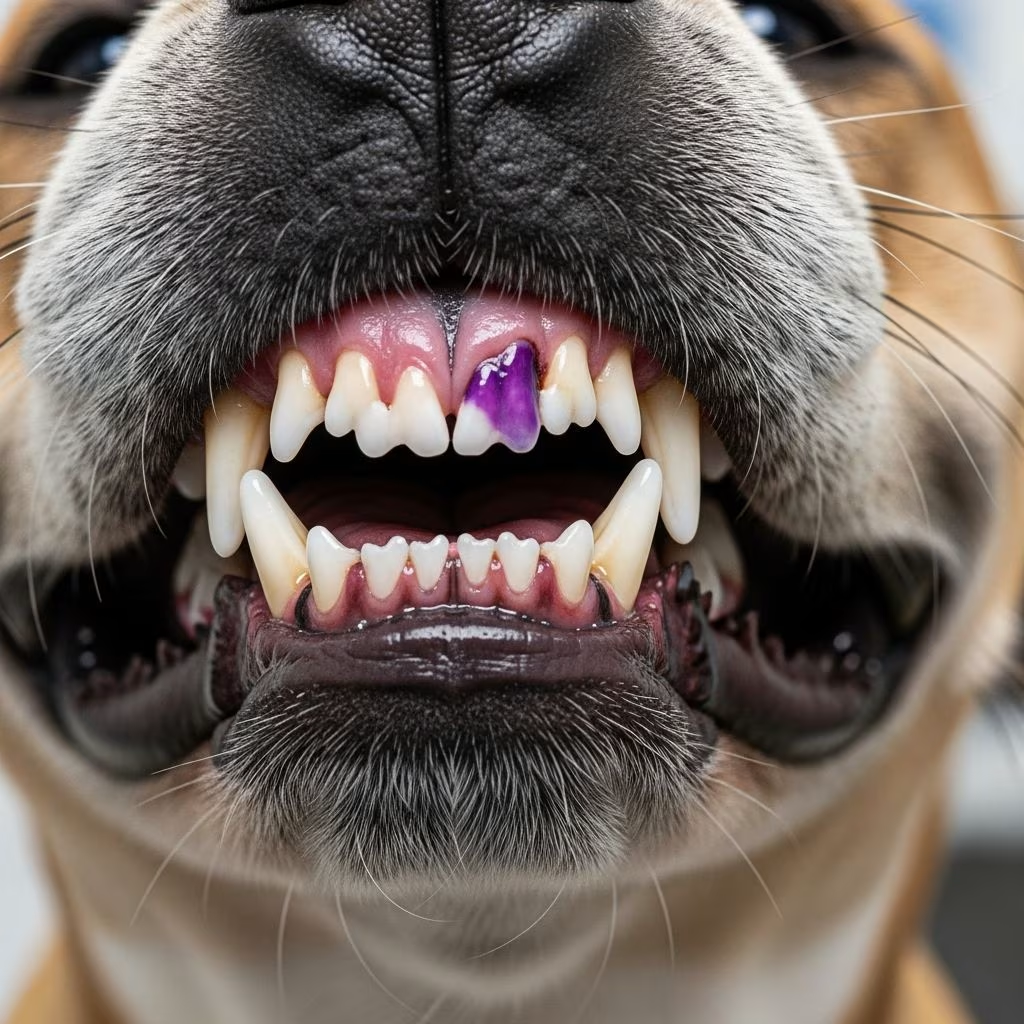
A dog’s tooth turning purple is a serious warning sign that often points to internal damage, such as pulp inflammation or death. This discoloration arises when blood breaks down inside the tooth, staining the dentin pink, purple, or darker shades like gray or tan. Prompt veterinary attention is crucial to avoid pain, infection, or abscesses.
Understanding Tooth Discoloration in Canines
Dogs’ teeth consist of enamel, dentin, and pulp—a core of nerves, blood vessels, and connective tissue. When healthy, teeth appear white. Discoloration happens in two forms: extrinsic (surface stains) and intrinsic (internal changes). Purple hues specifically indicate intrinsic issues, where blood products from hemorrhage seep into the dentin tubules.
Extrinsic stains, like yellow-brown tartar from plaque, affect the surface and are less urgent. In contrast, purple or pink teeth suggest the pulp is compromised, often from trauma severing blood flow. Studies show over 92% of such discolored teeth in dogs are non-vital, meaning partial or full pulp necrosis.
Primary Causes of Purple Teeth in Dogs
Several factors lead to this alarming color change. Here’s a breakdown:
- Trauma from Impact: Blunt force, like being hit by a ball, car accident, or rough play, bruises the pulp. Blood vessels rupture, causing bleeding akin to a skin bruise. The tooth initially turns pink/purple, darkening over time.
- Chewing Hard Objects: Biting rocks, bones, or toys fractures enamel or concusses the tooth without visible cracks, leading to pulp swelling and ischemia (reduced blood flow).
- Infections via Anachoresis: Bacteria travel through blood to the tooth root apex, causing silent pulp death and discoloration.
- Untreated Decay or Fractures: Cracks expose pulp to bacteria, triggering inflammation (pulpitis) that progresses irreversibly.
Young, active dogs are prone due to play injuries, but older pets may develop issues from cumulative wear.
Pulpitis: The Core Problem Behind Purple Teeth
Pulpitis is inflammation of the pulp, often starting reversibly but becoming irreversible. Reversible pulpitis from minor trauma might resolve with treatment, restoring color. However, most cases advance: swelling increases pressure in the rigid pulp chamber, cutting off blood supply and causing necrosis.
Hemoglobin degrades into pigments—first pink (fresh blood), then purple (iron sulfide formation), and finally gray/tan (full breakdown). This process can take days to years, with the tooth remaining painful throughout.
| Stage of Pulpitis | Color Change | Symptoms | Outlook |
|---|---|---|---|
| Reversible | Pink (tip or crown) | Sensitivity, mild pain | Potentially recoverable |
| Irreversible | Purple/Gray | Throbbing pain, swelling | Leads to necrosis |
| Necrosis/Abscess | Tan/Black | Facial swelling, bone loss | Requires intervention |
This table summarizes progression based on veterinary dental observations.
Recognizing Symptoms in Your Dog
Dogs hide pain well, so purple teeth might go unnoticed until advanced. Watch for:
- Discolored canine or incisor teeth (front teeth most affected).
- Reluctance to chew hard food or play with toys.
- Excessive drooling, pawing at mouth, or bad breath.
- Swollen gums, facial deformity, or sinus issues (if upper teeth).
- Behavioral changes like irritability or appetite loss.
Without obvious signs, routine dental exams catch issues early. Owners often discover purple teeth during brushing or vet checkups.
How Vets Diagnose Purple or Discolored Teeth
Diagnosis starts with visual inspection under good lighting. Vets use:
- Vitality Testing: Cold/hot stimuli or electric pulp testers check nerve response. Non-vital teeth don’t react.
- Radiographs (X-rays): Reveal root abscesses, bone loss, or periapical rarefaction (darkened root tip).
- Transillumination: Light through the tooth highlights pulp shadows or fractures.
- Probing: Checks for cracks or periodontal pockets.
Full-mouth X-rays under anesthesia are standard for accurate assessment.
Treatment Options for Affected Teeth
Never ignore a purple tooth—treatment prevents chronic pain and complications. Options include:
Root Canal Therapy (Endodontics)
Saves the tooth by removing dead pulp, cleaning the canal, and sealing it. Ideal for healthy roots without abscesses. Success rates exceed 90% in veterinary cases. Post-treatment, the tooth is non-vital but stable and pain-free.
Tooth Extraction
Recommended for fractured roots, severe bone loss, or multi-rooted teeth. Simple for single-rooted canines; surgical for molars. Healing is quick, with minimal long-term impact if balanced diet provided.
Antibiotics and Pain Management
Temporary for abscesses, but definitive treatment (extraction/root canal) is essential to resolve infection source.
Costs vary: cleanings $300–800, root canals $800–1500 per tooth, extractions $100–500.
Preventing Tooth Discoloration and Pulp Issues
Proactive care keeps teeth vital:
- Daily Brushing: Use enzymatic toothpaste and dog toothbrush 3–5 times weekly.
- Dental Chews/Diets: VOHC-approved products reduce plaque.
- Supervise Play: Avoid hard toys; opt for rubber or nylon.
- Annual Vet Dentals: Professional cleanings and exams under anesthesia.
- Soft Diet for Puppies: Prevents developmental trauma.
Breeds like Retrievers (ball-chasing injuries) or Bulldogs (brachycephalic dental crowding) need extra vigilance.
FAQs on Purple Dog Teeth
Q: Is a purple tooth always painful?
A: Yes, due to pulp pressure and inflammation, even if your dog doesn’t show signs.
Q: Can purple teeth fix themselves?
A: Rarely; reversible cases need intervention, irreversible ones progress to death.
Q: What if I wait to treat it?
A: Risks abscess, bone loss, or systemic infection. Treat ASAP.
Q: How common is this in dogs?
A: Very; trauma is frequent in active pets, with 92%+ discolored teeth non-vital.
Q: Can diet cause purple teeth?
A: No, purple is intrinsic; yellow-brown from diet is extrinsic.
When to Seek Emergency Care
Rush to a vet dentist if you spot purple teeth plus swelling, discharge, or lethargy. Delays worsen outcomes. Board-certified veterinary dentists (Diplomate AVDC) offer specialized care via referral.
Maintaining oral health boosts your dog’s quality of life, preventing silent suffering from discolored teeth.
References
- Pulptitis — Crown Veterinary Dental Specialists. Accessed 2026. https://crownvetdentistry.com/pulptitis/
- 6 Common Causes of Discolored Teeth in Dogs and Cats — Texas Veterinary Dental Center. Accessed 2026. https://texasveterinarydentalcenter.com/causes-of-discolored-teeth-in-dogs-and-cats/
- Discolored Teeth — Apex Veterinary Specialists. Accessed 2026. https://apexvetss.com/services/discolored-pet-teeth/
- What Does a Discolored Dog Tooth Mean for Your Pet? — Montana Pet Dentist. Accessed 2026. https://montanapetdentist.com/what-does-a-discolored-dog-tooth-mean-for-your-pet/
- Discolored Tooth — Minnesota Veterinary Dental Specialists. Accessed 2026. https://mnvds.com/services/discolored-tooth/
- Discolored Non-Vital Teeth — Animal Wellness Center of Bonita. Accessed 2026. https://awcbvet.com/discolored-non-vital-teeth/
- What to do when you see a tooth of a different color — dvm360. Accessed 2026. https://www.dvm360.com/view/what-do-when-you-see-tooth-different-color



