

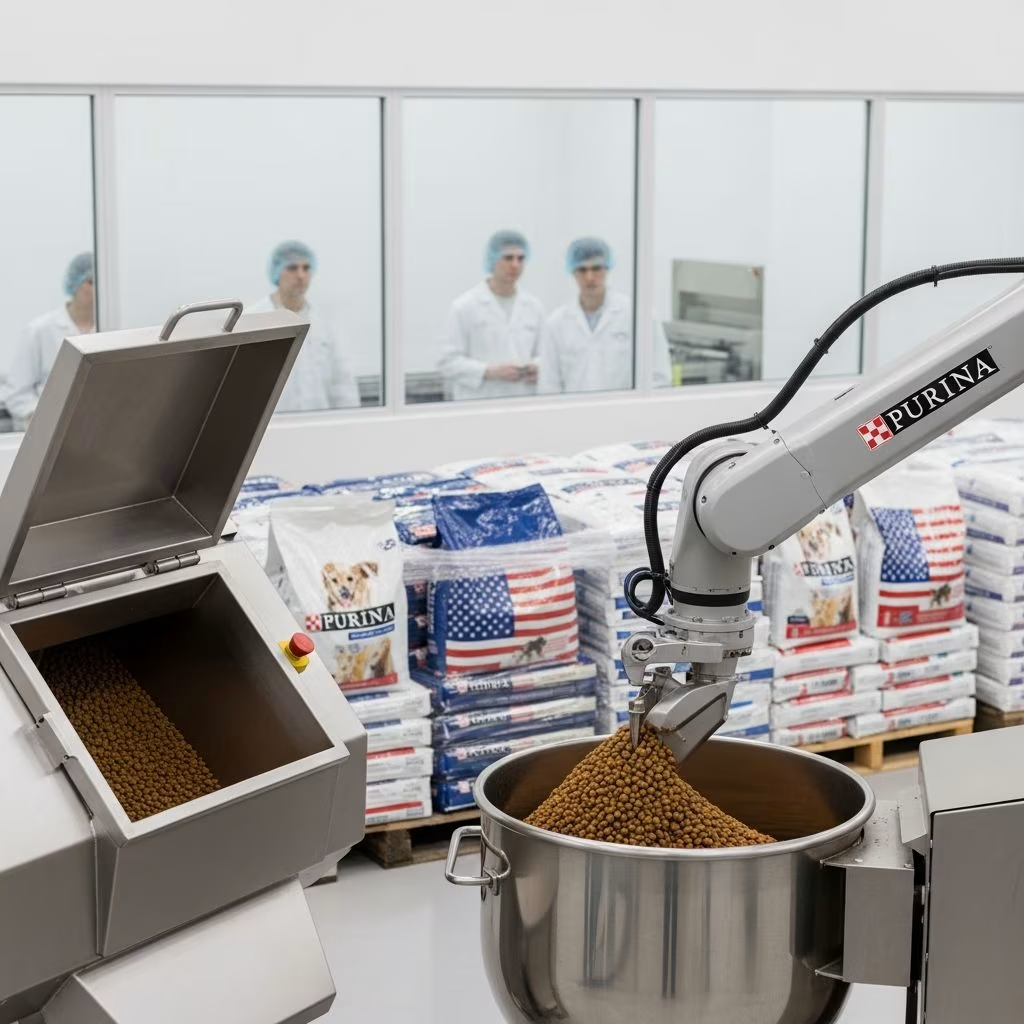
Many dog owners prioritize products made in the United States for enhanced quality control and regulatory oversight. Purina dog food is predominantly produced in advanced facilities across the USA, leveraging domestic ingredient sourcing and stringent manufacturing protocols to deliver reliable nutrition.
The Commitment to American Production Facilities
Purina maintains a network of manufacturing plants strategically located throughout the United States, ensuring that the majority of its dog food products—from dry kibble to wet formulas—are crafted on American soil. This approach allows for efficient distribution while upholding high standards enforced by U.S. authorities like the FDA. Domestic production minimizes supply chain disruptions and supports local economies, providing pet parents with confidence in the origin of their dog’s daily meals.
These facilities are equipped with state-of-the-art technology designed specifically for pet food production. Factors such as proximity to agricultural hubs enable fresh ingredient delivery, reducing transit times and preserving nutritional integrity. For instance, plants in the Midwest benefit from nearby grain and protein sources, integral to balanced canine diets.
Ingredient Sourcing: Prioritizing U.S. Suppliers
High-quality ingredients form the foundation of Purina dog food, with a strong emphasis on U.S.-based suppliers. Meats, grains, vitamins, and minerals are sourced from vetted American providers that adhere to federal safety guidelines. This domestic focus ensures traceability from farm to factory, a critical aspect for pet health.
- Proteins: Chicken, beef, and lamb from USDA-inspected facilities.
- Grains and Vegetables: Corn, rice, and peas grown in U.S. farmlands.
- Additives: Vitamins and minerals from certified domestic manufacturers.
By limiting international sourcing, Purina mitigates risks associated with varying global standards, delivering consistent quality that meets AAFCO nutritional profiles for all life stages.
Step-by-Step Dry Kibble Production Process
Dry dog food, the most popular format, undergoes a meticulous extrusion-based manufacturing journey. This method, widely used in the U.S. pet food industry, transforms raw materials into shelf-stable kibble packed with nutrients.
- Grinding and Mixing: Dry ingredients like grains and meats are milled into fine powders, then blended with oils, fats, vitamins, and minerals in massive mixers to create a uniform recipe.
- Preconditioning: The mixture enters a preconditioner where steam and water hydrate it into a dough, initiating partial cooking for better digestibility.
- Extrusion: The dough is forced into an extruder under high heat (up to 250°F) and pressure (up to 1000 psi), cooking it thoroughly while killing pathogens.
- Shaping and Cutting: Pressurized dough exits through a die, expanding into kibble shapes, and is sliced by rotary knives for uniform size.
- Drying and Cooling: Kibbles pass through ovens to reduce moisture to 10-12%, then coolers to prevent condensation and maintain crispness.
This process ensures kibble is not only nutritious but also palatable, with shapes designed to promote dental health.
Wet Food and Alternative Production Methods
While dry kibble dominates, Purina also produces wet dog food in U.S. canneries. Ingredients are mixed, filled into containers, and cooked under pressure for sterility—no post-packaging heat needed. Some specialty dry products use baking instead of extrusion, offering varied textures without compromising nutrition.
| Production Type | Key Process | Moisture Content | Benefits |
|---|---|---|---|
| Dry Kibble | Extrusion | 10-12% | Long shelf life, dental benefits |
| Wet Food | Canning/Retort | 75-85% | High palatability, hydration aid |
| Baked Dry | Baking | 10-12% | Gentler on nutrients |
Coating and Flavor Enhancement Techniques
Post-drying, kibble receives coatings to boost taste and nutrition. Liquid fats (e.g., chicken fat at 120-140°F) are sprayed first (2-10% by weight), followed by digest liquids (2-4%), and dry palatability enhancers (1-3%). This multi-layer application in rotating drums ensures even coverage, making meals irresistible to dogs.
Advanced metering pumps and flow meters maintain precision, while sanitation trolleys facilitate cleaning between batches, upholding hygiene standards.
Rigorous Quality Control and Safety Measures
U.S. manufacturing shines through comprehensive safety protocols. Every stage features monitoring: pH checks, temperature logs, metal detectors, and microbial testing. Facilities register with the FDA, undergo regular audits, and comply with USDA meat regulations and FTC labeling rules.
- Batch traceability from ingredients to retail.
- Environmental swabbing for bacteria.
- Final product testing for nutrients, contaminants, and pathogens.
These steps exceed AAFCO requirements, ensuring Purina dog food is safe and complete.
Regulatory Framework Governing U.S. Pet Food
The FDA oversees all U.S. pet food production, mandating registration for facilities handling low-acid canned goods and adherence to Current Good Manufacturing Practices (cGMP). States add layers of inspection, while AAFCO sets nutritional benchmarks. This ecosystem guarantees Purina’s products meet or surpass safety thresholds.
Why Choose USA-Made Dog Food Like Purina?
Domestic production offers transparency, faster recalls if needed, and alignment with strict U.S. laws. It supports sustainable farming and reduces carbon footprints from shorter supply chains. Pet owners report higher satisfaction with brands prioritizing American manufacturing for its reliability.
Common Myths About Pet Food Origins
Myths persist that all pet food is imported or uses low-quality fillers. In reality, major brands like Purina invest in U.S. infrastructure, sourcing 95%+ domestically for core ingredients. Transparent labeling and third-party audits dispel doubts.
FAQs on Purina Dog Food Manufacturing
Q: Is all Purina dog food made in the USA?
A: Yes, primary production occurs in U.S. facilities, with most ingredients sourced domestically.
Q: What makes U.S. pet food safer?
A: Strict FDA/USDA oversight, traceability, and continuous testing ensure superior safety.
Q: How does extrusion preserve nutrients?
A: High heat and pressure gelatinize starches and denature proteins for optimal digestibility.
Q: Are there non-USA ingredients?
A: Minimal global sourcing for unique items, but all processed under U.S. standards.
Q: How is quality verified post-production?
A: Lab analysis for moisture, protein, and contaminants before packaging.
Future Trends in U.S. Pet Food Manufacturing
Innovation drives the industry toward sustainable practices, like upcycled ingredients and energy-efficient extruders. Purina leads with research-backed formulas tailored to breed-specific needs, all from American plants.
References
- How pet food is made — GAPFA. 2023. https://www.gapfa.org/files/download/9_GAPFA_Factsheet_How_pet_food_is_made.pdf
- How dry pet food is made — FEDIAF/European Pet Food. 2024. https://europeanpetfood.org/pet-food-facts/fact-sheets/quality-and-safety/how-dry-pet-food-is-made/
- Pet Food Processing Principles and Possibilities — Heat and Control. 2023-10-15. https://www.heatandcontrol.com/blog/pet-food-processing-principles-and-possibilities
- Pet Food Manufacturing — SafetyCulture. 2025. https://safetyculture.com/topics/pet-food-safety/pet-food-manufacturing
- How do I Start an Animal Food Business? — FDA. 2025-01-20. https://www.fda.gov/animal-veterinary/animal-foods-feeds/how-do-i-start-animal-food-business
- How Pet Food Is Made — Pet Food Institute. 2024. https://www.petfoodinstitute.org/how-pet-food-is-made/



