

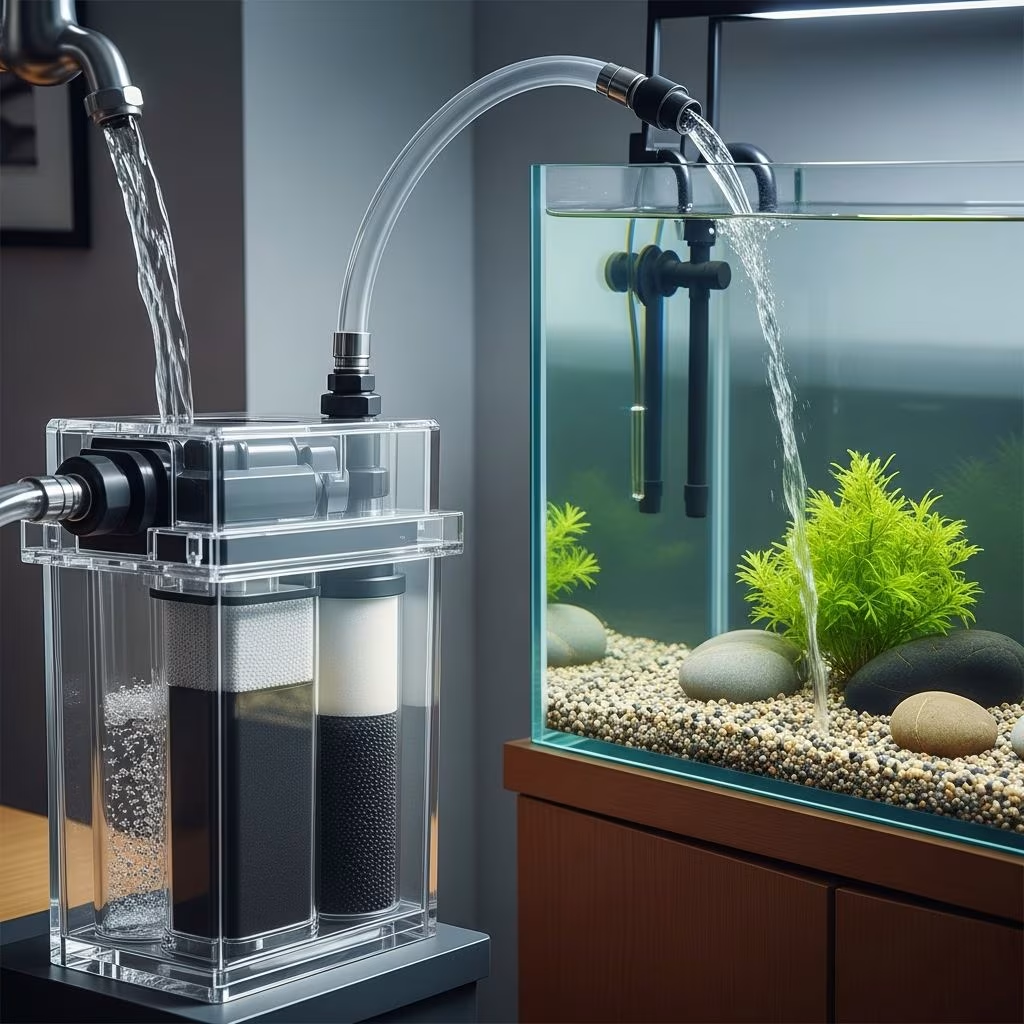
Tap water contains chlorine and chloramine added by municipalities to kill bacteria, making it safe for humans but toxic to fish. These chemicals damage fish gills, disrupt beneficial bacteria, and can lead to death if untreated. Properly treating water is foundational to aquarium success.
Understanding Water Contaminants in Aquariums
Chlorine evaporates quickly but chloramine, a stable compound, persists longer and requires specific removal. Fish absorb these through gills, causing stress, respiratory issues, and weakened immunity. Regular testing reveals local levels, guiding treatment choices.
- Chlorine: Volatile gas, dissipates in 24-48 hours if aerated.
- Chloramine: Bonded chlorine-ammonia, needs chemical neutralization.
- Other concerns: Heavy metals, pH shifts from treatment.
Fastest Dechlorination: Commercial Conditioners
Aquarium water conditioners neutralize both chlorine and chloramine instantly. Products like sodium thiosulfate-based formulas bind toxins, rendering them harmless. Add per instructions—typically 1-5 ml per 10 gallons—stir, and use immediately.
Benefits include convenience for water changes and multi-purpose use in aquaponics. Choose food-grade for broader applications, though primarily for tanks. Overdosing risks pH drops; underdosing leaves residuals.
| Conditioner Type | Action Time | Best For |
|---|---|---|
| Liquid | Instant | Quick changes |
| Tablet/Powder | 1-5 min | Travel setups |
| DIY Vitamin C | Immediate | Cost-saving |
Natural Evaporation Through Aeration
Expose water to air for chlorine off-gassing. Fill buckets, add airstones, or pour between containers to increase surface area. Effective in 24-48 hours for chlorine; ineffective alone for chloramine. Ideal for chemical-free hobbyists.
Enhance with fans or bubblers. Test post-treatment. Suited for large volumes but requires planning ahead.
Boiling: Heat-Based Chlorine Removal
Boil water 15-20 minutes to vaporize chlorine, then cool fully before use. Practical for small batches (under 5 gallons); energy-intensive for tanks. Does not address chloramine—combine with conditioners if needed.
Cooled boiled water matches room temperature, minimizing fish shock. Useful in emergencies without supplies.
Filtration Systems for Ongoing Purity
Activated carbon filters adsorb chlorine continuously in setups. Install inline for top-offs or RO systems for comprehensive purification. Replace media monthly to sustain efficacy.
Reverse osmosis removes 99% contaminants, ideal for sensitive species like discus. Pre-treat tap to extend filter life.
Innovative Option: Vitamin C Neutralization
Ascorbic acid (Vitamin C) reduces chlorine instantly—1,000 mg per gallon. Crush tablets or use powder; safe, natural, byproduct-neutral. Effective for baths, plants, and tanks.
pH-neutralizing formulas available. Economical for bulk treatment.
Step-by-Step Guide to Safe Water Prep
- Measure tank volume and water change amount.
- Test source for chlorine/chloramine levels using kits.
- Select method based on urgency and volume.
- Treat: Dose conditioner or aerate/boil accordingly.
- Match temperature to tank water.
- Gradually add to avoid shocking inhabitants.
- Retest post-addition.
Common Mistakes and Prevention
Avoid direct tap addition—fatal within hours. Skipping chloramine treatment leaves persistent toxins. Temperature mismatches stress fish. Always dose accurately; use droppers for precision.
- Batch treat, don’t drip untreated.
- Store treated water covered.
- Monitor municipal changes.
Advanced Tips for Aquaponics and Planted Tanks
In aquaponics, chlorine kills nitrifying bacteria essential for cycling. Use instant agents like sodium bisulfite; test frequently. Dechlorinated water benefits plants by preserving soil microbes.
For shrimp or fry, double-treat and age water 24 hours extra.
DIY Dechlorinator Recipes
Vitamin C Solution: Dissolve 1g ascorbic acid in 1L water. Use 1ml per gallon tank water.
Sodium Thiosulfate Mix: 1 tsp per 50 gallons (research dosing carefully). Label and store safely.
FAQ
How long does dechlorination take?
Conditioners: instant. Aeration: 24-48 hours. Boiling: 20 min + cooling.
Is bottled water safe for fish?
Often has minerals/pH unsuitable; treat as tap if chlorinated.
Can fish survive brief tap exposure?
No—toxic in under an hour.
Does sunlight speed aeration?
UV aids but risks algae; prefer controlled methods.
What if chloramine is present?
Use conditioners targeting it; aeration insufficient.
Choosing the Right Method for Your Setup
Beginners: conditioners. Eco-focused: aeration + Vitamin C. Large systems: filters + agents. Cost, time, and species dictate best fit. Consistent quality yields vibrant aquariums.
Maintain logs of treatments for troubleshooting. Invest in test kits for chlorine (0 ppm ideal), ammonia, nitrite.
References
- How to Dechlorinate Tap Water for Fish — Hygger. 2023. https://www.hygger-online.com/how-to-dechlorinate-tap-water-for-fish/
- How to Dechlorinate Tap Water | Simple & Safe Methods — Waterdrop Filter. 2024. https://www.waterdropfilter.com/blogs/water-contaminants/how-to-dechlorinate-tap-water
- How to Dechlorinate Water for Aquaponics — Go Green Aquaponics. 2023. https://gogreenaquaponics.com/blogs/news/how-to-dechlorinate-water-for-aquaponics
- Remove Chlorine from Tap Water for Your Aquarium — YouTube (MadeByKM). 2021-03-31. https://www.youtube.com/watch?v=pEmI4H_hvf8
- Water Conditioner: How It Works and How Much to Use in Aquariums — Aquarium Co-Op. 2024. https://www.aquariumcoop.com/blogs/aquarium/water-conditioner-for-fish



