

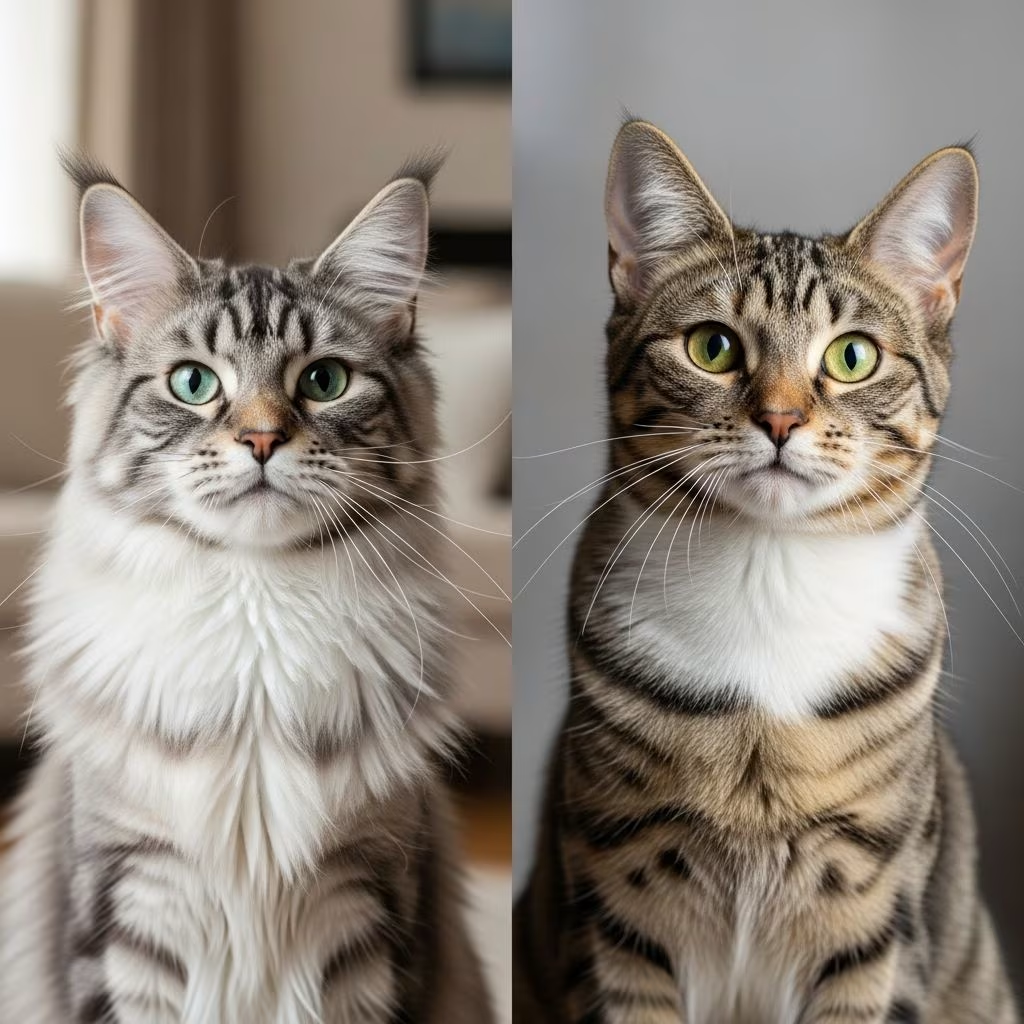
Purebred vs Mixed Breed Cats: Pros, Cons & Which To Choose
When considering bringing a new feline companion into your home, one of the most important decisions is whether to choose a purebred or mixed-breed cat. Both types make excellent pets, but understanding the differences between them can help you make the best choice for your lifestyle and preferences. The main difference between purebred cats and mixed-breed cats lies in their predictability regarding personality, appearance, and potential health concerns.
Understanding Purebred Cats
Although 45 purebred cat breeds are officially recognized by the Cat Fanciers’ Association (CFA), purebred cats aren’t always the first choice people consider when searching for a family cat. However, purebred cats are excellent pets that offer distinct advantages for those seeking specific traits and characteristics.
What Makes a Cat Purebred?
A purebred cat is one that belongs to a single recognized breed, such as a purebred Abyssinian or a purebred Siamese. These cats are selectively bred from other purebreds to maintain consistent standards within the breed. This selective breeding process has been refined over generations to produce cats with predictable characteristics, both in terms of physical appearance and temperament.
Personality and Appearance
One of the primary advantages of owning a purebred cat is the ability to predict how they’ll develop. Purebred cats are selectively bred from other purebreds, resulting in a standard temperament and appearance within the breed. If you’re looking at a purebred kitten, you can often examine the family history and pedigree to ascertain what traits your cat will likely inherit. This predictability extends to coat color, pattern, size, and even behavioral tendencies, making it easier to choose a cat that fits your lifestyle.
For example, if you choose a Bengal cat, you can anticipate an active, playful personality with a distinctive spotted or marbled coat. Similarly, a Persian cat typically has a calm, gentle temperament and a luxurious long coat that requires regular grooming.
Health Considerations
An important factor to consider with purebred cats is that they often tend to have more health issues than the average mixed-breed cat. Purebred cats often inherit genetic conditions that the breed is predisposed to develop. Research has shown that purebred cats compared to domestic crossbreeds are more likely to develop diseases in several categories, including female reproductive issues, heart disease, complications from surgery, lower respiratory infections, and immunological diseases.
While your purebred cat may live their entire life without experiencing hereditary conditions, it is always a possibility. However, this risk can be minimized to an extent by working with responsible breeders who run genetic tests on parents prior to breeding them. Prospective cat owners should ask breeders about health testing and genetic screening before purchasing a purebred kitten.
Understanding Mixed-Breed Cats
Mixed-breed cats represent a broad and diverse category of felines. The definition of a mixed-breed cat can vary depending on who you ask, as some cats are classified as mixed breeds if they are hybrids with two purebred cats as parents, while others are domestic cats with completely unknown heritage. This wide umbrella encompasses countless genetic combinations, making each mixed-breed cat truly unique.
The Appeal of Mixed-Breed Cats
There are endless possibilities regarding a mixed-breed cat’s personality, appearance, and characteristics. Their uniqueness is part of the reason so many people cherish mixed-breed cats as family pets. Mixed-breed cats often have distinctive personalities and appearances that reflect their diverse genetic backgrounds, making them equally wonderful companions to purebreds.
Personality and Appearance
Mixed-breed cats tend to be less predictable than purebreds in terms of temperament and appearance. Some pet owners may view unpredictability as a fun bonus, while others may see it as a potential downside. If you are looking for a cat with specific qualities, you’ll need to be prepared for a mixed breed to develop in ways you hadn’t anticipated.
As mixed-breed cats grow, their size, temperament, coat color, and other characteristics may change in unexpected ways. A kitten that appears to be orange and fluffy might develop a more independent personality than initially apparent, or a seemingly small kitten could grow into a large, athletic adult. This unpredictability can be an exciting aspect of cat ownership for those who enjoy surprises.
Health Advantages
A significant benefit to owning a mixed-breed cat is that they are less likely to develop inherited congenital diseases. Because mixed-breed cats come from a larger genetic background, they typically have fewer genetic defects and health conditions compared to purebred cats. Although this doesn’t make a mixed-breed cat exempt from all health conditions, it improves their chances of avoiding genetic issues.
Mixed-breed cats may also be less likely to develop behavioral issues compared to some purebred lines. The diverse genetic pool of mixed-breed cats provides natural protection against hereditary conditions. However, there have been instances when mixed-breed kittens are born with congenital hereditary traits passed down from somewhere in their lineage, so even mixed breeds should receive veterinary care and monitoring.
Key Differences Between Purebred and Mixed-Breed Cats
| Aspect | Purebred Cats | Mixed-Breed Cats |
|---|---|---|
| Predictability | Highly predictable personality and appearance | Less predictable; may surprise you as they grow |
| Health Issues | Higher risk of genetic diseases | Lower risk of hereditary conditions |
| Cost | $300-$1,000+ from breeders | $0-$200 from shelters and rescues |
| Availability | Some breeds may be difficult to find | Readily available at shelters and rescues |
| Genetic Diversity | Limited genetic diversity within breed | Greater genetic diversity and variation |
| Show Participation | Eligible for sanctioned cat shows | May participate if “prettified” for shows |
Comparing Health and Care Costs
Health considerations are crucial when deciding between purebred and mixed-breed cats. A healthy cat may incur a yearly veterinary bill that ranges between $50 and $200 USD for routine care and checkups. However, if you choose a purebred cat that is prone to developing certain medical conditions, the ongoing costs may increase significantly.
Some purebred breeds are predisposed to specific health conditions that require ongoing management or treatment. For example, certain breeds may be prone to kidney disease, heart conditions, or respiratory issues. These conditions can lead to expensive veterinary bills over your cat’s lifetime, including specialist visits, medications, and diagnostic tests.
Mixed-breed cats typically have fewer genetic defects and health conditions due to their larger genetic pool, which can result in lower lifetime veterinary costs. If minimizing health issues is important to you, a mixed-breed cat may be the more economical choice in the long run.
Price Differences
If price is a significant factor in your decision-making, it’s important to understand the cost differences between purebred and mixed-breed cats. Purebred cats are considerably more expensive than mixed-breed cats. Most purebred cats are available from breeders, which can be quite costly. Prices typically range from a few hundred dollars to over one thousand dollars, depending on the breed’s rarity and the breeder’s reputation.
In contrast, you can find mixed-breed cats at your local animal shelter or rescue organization, often at little to no cost. Adoption fees from shelters are typically between $50 and $200, which usually includes vaccinations and spaying or neutering. In rare circumstances, you might be able to find a purebred cat at a shelter as well, often at a significantly reduced price.
Availability and Rarity
Mixed-breed cats are incredibly common and not hard to find. Animal shelters and rescue organizations are full of mixed-breed cats waiting for loving homes. Purebred cats aren’t always a challenge to bring home, but some breeds can be difficult to find, depending on the breed’s rarity and the number of breeders specializing in that breed.
In addition, purebred cats may be more difficult to verify as authentically purebred. Unethical breeders may sometimes try to pass a mixed-breed kitten as a purebred cat to command higher prices. It’s important to note that not all kittens of the same litter are of the same breed. A queen (female cat) can mate with multiple tomcats (males) during her heat cycle, and within a litter, different kittens may be fathered by different tomcats.
Purebred vs Mixed-Breed Cats: Which Is Right for You?
Neither purebred cats nor mixed-breed cats are superior to the other. Deciding which is right for you depends on your personal preferences and lifestyle needs. Consider the following factors when making your decision:
Factors to Consider
- Budget: If you have limited funds, a mixed-breed cat from a shelter is the more affordable option.
- Lifestyle flexibility: If you want your cat to have particular anticipated qualities, opt for a purebred cat. If you are more flexible and willing to watch your cat’s personality develop, consider a mixed breed.
- Health priorities: If you wish to limit the number of health issues your cat may experience, choose a mixed breed due to their larger gene pool.
- Breed rarity: Some people have their hearts set on specific rare breeds, which requires working with breeders.
- Care needs: Different breeds and individual cats have different grooming, exercise, and enrichment requirements.
- Veterinary costs: Consider your ability to handle potentially higher veterinary bills if you choose a breed prone to specific health conditions.
Making Your Final Decision
If you value predictability and have a clear vision of the cat you want, a purebred from a responsible breeder might be your best option. However, if you prefer a lower-cost option, are flexible about your cat’s personality development, and want to minimize health risks, a mixed-breed cat from a shelter or rescue may be perfect for you.
Consider also reaching out to breed-specific rescue organizations if you have your heart set on a particular breed but don’t want to pay breeder prices. These organizations often have purebred cats available for adoption at much lower costs than breeders.
Frequently Asked Questions
Q: Are purebred cats always more expensive than mixed-breed cats?
A: Yes, purebred cats are generally more expensive than mixed-breed cats. Purebreds typically cost $300 to over $1,000 from breeders, while mixed-breed cats from shelters may cost little to nothing beyond adoption fees.
Q: Do mixed-breed cats have fewer health problems?
A: Generally, yes. Mixed-breed cats tend to have fewer genetic health problems due to their larger genetic diversity. However, individual cats of any type can still develop health issues.
Q: Can you predict a mixed-breed cat’s personality?
A: It’s more difficult to predict a mixed-breed cat’s personality compared to a purebred. Mixed-breed cats may develop differently as they grow, and their adult personality may differ from what you expected as a kitten.
Q: Where can I find purebred cats for adoption?
A: While most purebred cats come from breeders, you may find them in breed-specific rescue organizations or occasionally in general animal shelters. These sources often offer purebreds at reduced prices.
Q: What should I look for in a responsible breeder?
A: Look for breeders who conduct genetic testing on parent cats, provide health guarantees, allow you to meet the parents, and are transparent about the breed’s health risks and care requirements.
Q: Are mixed-breed cats good pets?
A: Absolutely. Mixed-breed cats make wonderful, loving pets and often have the added benefit of being healthier due to genetic diversity. Many people find mixed-breed cats to be just as affectionate and entertaining as purebreds.
References
- Study Reveals Differences Between Purebred and Mixed-Breed Cats — Katzen World. 2023-08-05. https://katzenworld.co.uk/2023/08/05/new-publication-describes-differences-in-disease-risk-between-purebred-and-mixed-breed-cats/
- VetRecord Journal Study on Feline Disease Patterns — University of Guelph & Morris Animal Foundation. 2023. https://pubmed.ncbi.nlm.nih.gov/
- Cat Fanciers’ Association Breed Recognition Standards — Cat Fanciers’ Association (CFA). https://cfa.org/



