

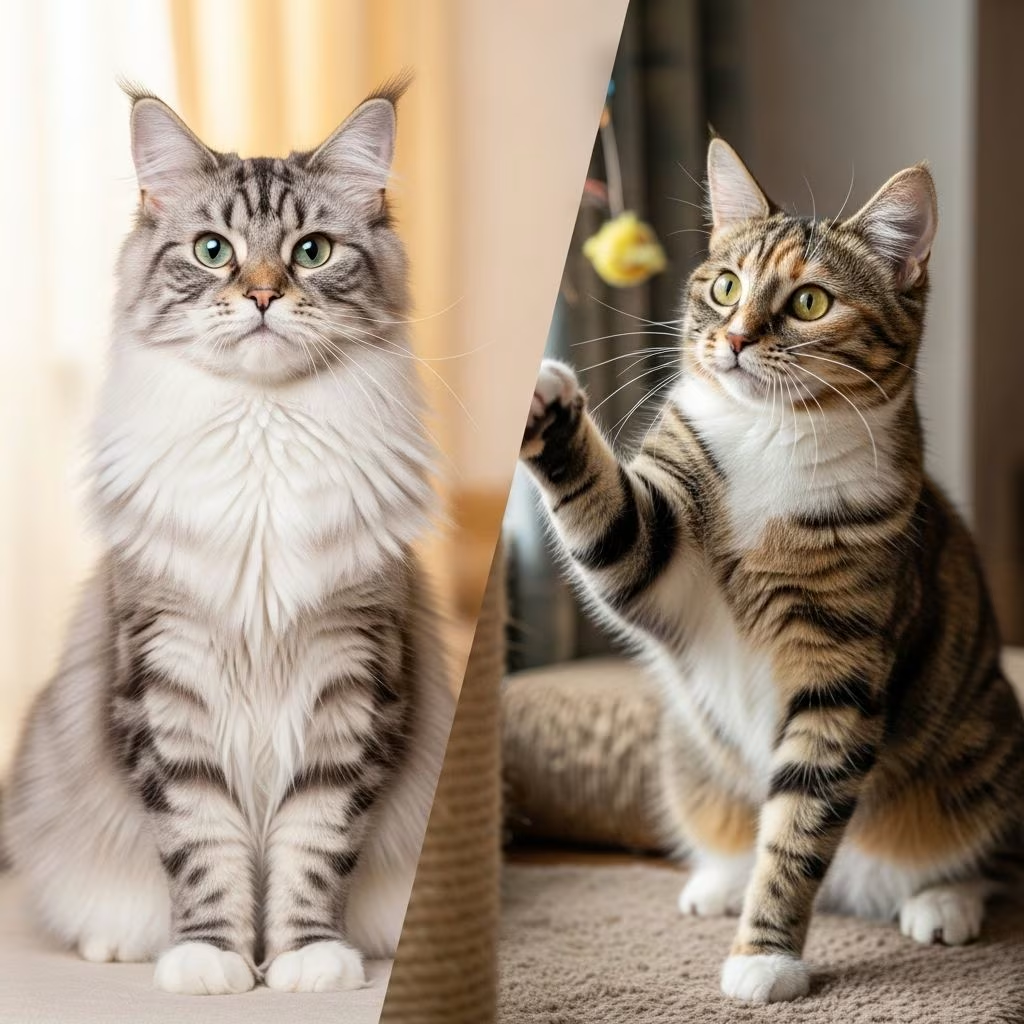
Purebred vs Mixed Breed Cats: Understanding the Key Differences
When considering adding a feline companion to your home, one of the most important decisions is whether to choose a purebred or mixed-breed cat. Both make excellent pets, but understanding the differences between them can help you make an informed decision that aligns with your lifestyle and preferences. The primary distinction between purebred and mixed-breed cats lies in their predictability regarding personality, appearance, and health characteristics.
Overview of Purebred Cats
Although the Cat Fanciers’ Association (CFA) officially recognizes 45 purebred cat breeds, purebreds remain less commonly adopted compared to their mixed-breed counterparts. However, purebred cats are excellent pets that offer specific advantages to owners seeking particular traits and characteristics.
What Defines a Purebred Cat?
A purebred cat belongs to a single recognized breed, meaning it traces its lineage exclusively to that breed. For example, a purebred Abyssinian is purely Abyssinian with no genetic contributions from other breeds. Breeders selectively breed purebred cats with other purebreds to maintain breed standards and consistency.
Personality and Appearance Predictability
One of the primary advantages of owning a purebred cat is the high degree of predictability regarding how they will develop. Selective breeding from other purebreds results in a standard temperament and appearance within the breed. By examining the family history and pedigree of a purebred kitten, you can reasonably anticipate:
- Temperament and behavioral traits
- Size at maturity
- Coat color, pattern, and texture
- Energy levels and activity requirements
- Social and interactive tendencies
This predictability appeals to owners seeking specific qualities in their feline companion, allowing them to select a breed that matches their lifestyle and preferences.
Health Considerations for Purebred Cats
While purebred cats offer many advantages, prospective owners should be aware of potential health challenges. A significant concern is that purebred cats often tend to have more health issues than the average mixed-breed cat. Purebreds frequently inherit genetic conditions that their breed is predisposed to develop.
Research has revealed important insights about these health disparities. A study published in VetRecord examined data from approximately 550,000 cats and found that purebred cats were more likely to develop diseases in most disease categories compared to domestic crossbreeds. Disease categories where purebreds showed the highest relative risk included:
- Female reproductive issues
- Heart disease
- Complications from surgery
- Lower respiratory infections
- Immunological diseases
While your purebred cat may live their entire life without experiencing hereditary conditions, the possibility remains higher than with mixed breeds. This risk can be minimized to some extent by responsible breeders who conduct genetic testing on parents prior to breeding them.
Overview of Mixed Breed Cats
Mixed-breed cats represent a diverse category that can be difficult to define precisely. Some mixed breeds result from the union of two purebred parents, while others are domestic cats with completely unknown heritage. Regardless of their specific lineage, mixed-breed cats offer unique advantages and characteristics that make them beloved family pets.
Defining Mixed Breed Cats
A mixed-breed cat is any cat that is a blend of two or more cat breeds or genetic backgrounds. This broad definition encompasses everything from intentional hybrids with two purebred parents to random domestic cats found in shelters. Due to this genetic diversity, mixed-breed cats present endless possibilities regarding personality, appearance, and behavioral traits.
Personality and Appearance Unpredictability
Unlike purebreds, mixed-breed cats are notably less predictable in terms of temperament and appearance. Some pet owners view this unpredictability as an exciting and fun bonus, while others may consider it a potential concern. As mixed-breed cats grow and mature, their:
- Size and physical proportions may change unexpectedly
- Temperament may develop in surprising ways
- Coat characteristics may shift
- Energy levels may vary
- Social behaviors may surprise you
If you’re seeking a cat with specific qualities and characteristics, it’s important to prepare mentally for a mixed breed to develop in ways you hadn’t anticipated. However, this unpredictability is precisely what many owners cherish about mixed-breed cats—their unique and individual personalities.
Health Advantages of Mixed Breed Cats
A significant benefit to owning a mixed-breed cat is their reduced likelihood of developing inherited congenital diseases. Because mixed-breed cats come from a larger and more diverse genetic background, they typically have fewer genetic defects and health conditions overall.
Research supports this advantage: studies have shown that domestic crossbred cats were less susceptible to certain genetic health issues. While this doesn’t make mixed-breed cats exempt from all health conditions, it substantially improves their chances of avoiding genetic problems entirely.
Additionally, mixed-breed cats may be less likely to develop behavioral issues compared to purebreds. However, it’s worth noting that there have been instances when mixed-breed kittens are born with congenital hereditary traits passed down from somewhere in their lineage, though this is less common than in purebreds.
Purebred vs Mixed Breed Cats: Health Comparison
| Health Factor | Purebred Cats | Mixed Breed Cats |
|---|---|---|
| Genetic Disease Risk | Higher predisposition to breed-specific conditions | Lower risk due to diverse genetic background |
| Endocrine Issues | Higher risk of hyperthyroidism and diabetes | Generally lower risk |
| Reproductive Issues | Elevated risk (female) | Lower risk |
| Heart Disease | Higher relative risk in certain breeds | Lower overall risk |
| Mobility Issues | Lower risk | Slightly higher risk (often outdoor-related) |
| Routine Care Costs | $50-$200+ annually; higher if chronic conditions develop | $50-$200 annually; typically stable |
Cost Considerations: Price and Availability
Purebred Cat Pricing
Purebred cats are significantly more expensive than mixed-breed cats. Prices typically range from a few hundred dollars to over one thousand dollars, with some rare or highly sought-after breeds commanding premium prices. Because most purebred cats come from specialized breeders rather than shelters, you’ll need to factor in breeder fees when budgeting.
Mixed Breed Cat Costs
Mixed-breed cats are considerably more affordable, especially if adopted from local animal shelters. Shelter adoption fees are typically much lower than breeder costs, and you may even find that shelters charge minimal fees or offer waived adoption costs. This makes mixed breeds an excellent option for budget-conscious pet owners.
Long-term Healthcare Expenses
Beyond initial acquisition costs, it’s important to consider long-term healthcare expenses. A healthy cat may incur yearly veterinary bills ranging between $50 and $200 USD for routine care and checkups. However, if you choose a purebred cat prone to developing certain medical conditions, these costs may increase substantially due to ongoing treatment and management of chronic conditions.
Availability and Rarity Factors
Finding Mixed Breed Cats
Mixed-breed cats are incredibly common and easy to find. Local animal shelters, rescue organizations, and pet stores consistently have mixed-breed cats available for adoption. This accessibility makes mixed breeds the most convenient option for most people seeking feline companions.
Locating Purebred Cats
Purebred cats aren’t always difficult to find, but availability depends heavily on breed rarity. Some purebred cats are readily available from breeders, while others may require searching multiple breeders or traveling significant distances. Additionally, purebred cats can occasionally be found in shelters, though this is less common.
Authenticity and Ethical Concerns
When considering a purebred cat, it’s crucial to verify authenticity. Unfortunately, unethical breeders sometimes attempt to pass mixed-breed kittens as purebreds to command higher prices. It’s important to remember that a queen (female cat) can mate with multiple tomcats (male cats) during her heat cycle, meaning different kittens within the same litter may have different fathers and thus different breeds.
Which Cat Type Is Right for You?
Neither purebred cats nor mixed-breed cats are inherently superior. The right choice depends entirely on your personal preferences, lifestyle needs, and priorities. Consider the following factors when making your decision:
Choose a Purebred Cat If You:
- Want predictability in personality, appearance, and temperament
- Prefer specific physical traits or breed characteristics
- Have flexibility in your lifestyle to accommodate specific breed needs
- Are willing to pay premium prices
- Want to understand breed tendencies before bringing your cat home
- Value the ability to examine pedigree and family history
Choose a Mixed Breed Cat If You:
- Are flexible and enjoy surprises as your cat develops
- Have a limited budget
- Prefer to adopt from shelters or rescue organizations
- Want to minimize genetic health issues
- Appreciate the uniqueness of individual personality development
- Prioritize environmental responsibility and adoption
Lifestyle and Personality Matching
Your lifestyle should heavily influence your decision. If you want your cat to have particular anticipated qualities, a purebred cat offers greater certainty. It’s easier to predict the coat, color, pattern, and personality of certain breeds. For example, if you seek a calm, laid-back companion, specific purebred breeds are known for these characteristics.
Conversely, if you’re more flexible and willing to watch your cat’s personality develop naturally, a mixed breed offers exciting possibilities. Mixed-breed cats often surprise their owners with unique combinations of traits and characteristics that make them individually special.
Frequently Asked Questions
Q: Are purebred cats always healthier or less healthy than mixed breeds?
A: Purebred cats are generally more susceptible to breed-specific genetic conditions, while mixed-breed cats benefit from a larger genetic pool that typically results in fewer genetic health issues. However, individual health depends on many factors beyond breeding.
Q: Can mixed-breed cats participate in cat shows?
A: Yes, mixed-breed cats can participate in cat shows if their owners “prettify” them according to show standards. However, they face stricter evaluation criteria compared to purebred cats.
Q: What’s the average lifespan difference between purebred and mixed-breed cats?
A: While individual lifespans vary, mixed-breed cats often have longer average lifespans due to their diverse genetic background and lower predisposition to genetic diseases.
Q: How can I verify that a cat is authentically purebred?
A: Request documentation of pedigree, health testing records, and certifications from reputable breed associations. Purchase from established, ethical breeders with verifiable credentials.
Q: Are mixed-breed kittens from shelters always healthy?
A: While mixed breeds generally have lower genetic disease risk, shelter cats may have unknown medical histories. Always have any adopted cat examined by a veterinarian soon after adoption.
Q: What are the main advantages of adopting a mixed-breed cat?
A: Main advantages include lower cost, reduced genetic health problems, easier availability from shelters, unique individual personalities, and supporting animal rescue efforts.
References
- Study Reveals Differences Between Purebred and Mixed-Breed Cats — Katzen World. 2023-08-05. https://katzenworld.co.uk/2023/08/05/new-publication-describes-differences-in-disease-risk-between-purebred-and-mixed-breed-cats/
- Purebred vs Mixed-Breed Cat: Which One Fits YOUR… — Daily Needs (YouTube). https://www.youtube.com/watch?v=7dLkKhp1_ac
- Purebred vs Mixed Breed Cats — Cool and Crazy Cats. https://www.coolandcrazycats.com/blog/purebred-vs-mixed-breed-cats



