

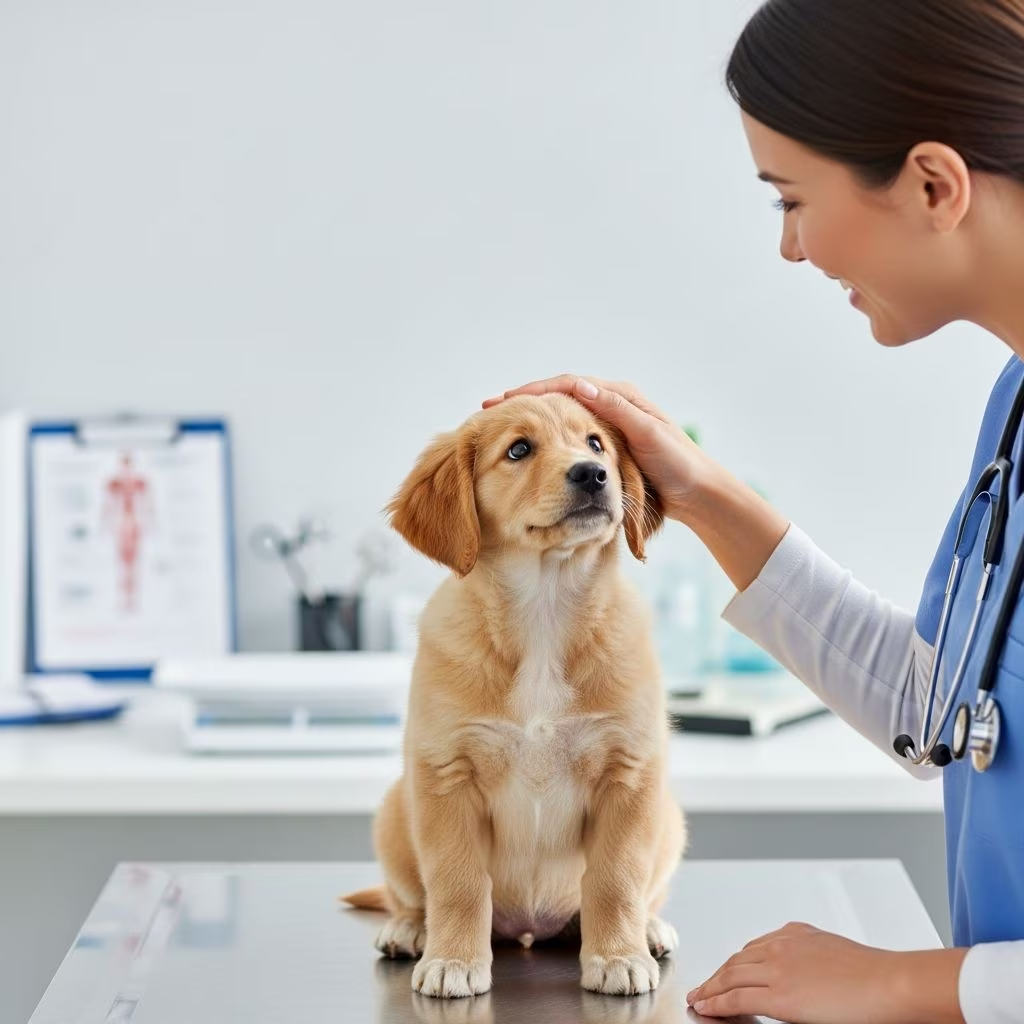
Puppy’s First Vet Visit: When To Go, What To Expect
Bringing a new puppy home is an exciting milestone, but it also comes with important responsibilities. One of the most critical steps in your puppy’s early life is scheduling their first veterinary visit. This appointment sets the foundation for your puppy’s long-term health and wellness, allowing your veterinarian to establish a baseline for their growth, identify any potential health concerns, and create a comprehensive care plan tailored to your puppy’s specific needs.
A first vet visit is more than just a quick check-up. It’s an opportunity for you to build a relationship with your veterinarian, ask pressing questions about puppy care, and receive expert guidance on nutrition, training, socialization, and preventative health measures. Understanding what to expect and how to prepare can help make this appointment productive and stress-free for both you and your puppy.
When Should You Schedule Your Puppy’s First Vet Visit?
Timing is crucial when it comes to your puppy’s first veterinary appointment. Ideally, you should book a vet visit within the first few days after bringing your new puppy home. This early appointment is essential for establishing baseline health metrics and ensuring your puppy doesn’t have any underlying health issues that weren’t immediately apparent.
If your puppy came from a breeder or shelter, they may have already received some veterinary care and vaccinations. It’s important to obtain any records from the previous caregiver and bring them to your first appointment. Your veterinarian will review these records to determine what vaccines your puppy may still need and what preventative treatments are appropriate for their age and health status.
Puppies typically require multiple vet visits during their first year of life. Starting between six to eight weeks of age, puppies should have appointments scheduled every three to four weeks until they reach four to five months old. These frequent visits allow your veterinarian to monitor growth, administer necessary vaccinations on schedule, and address any emerging health concerns promptly.
What to Bring to Your Puppy’s First Vet Appointment
Coming prepared to your puppy’s first vet visit ensures that the appointment runs smoothly and your veterinarian has all the information they need to provide the best possible care. Here are the essential items to bring:
Documentation and Records
Bring any veterinary records you received from the breeder or shelter, including vaccination history, deworming records, and any previous medical treatments. These documents provide important context about your puppy’s health background and help your vet determine the next steps in their care plan.
Questions and Information
Prepare a written list of important questions or concerns that you might have about your puppy’s health, behavior, or care needs. Having these written down ensures you won’t forget anything during the appointment and helps the vet provide thorough answers.
Also bring notes on how much of what types of foods and treats you’re offering at home. This information helps your veterinarian assess whether your puppy’s current diet is nutritionally appropriate and allows them to make recommendations if adjustments are needed.
Comfort Items
Bring a dog carrier or crate lined with old towels or shirts that smell like home. This familiar scent can help comfort your puppy during their first veterinary visit, which can be an anxiety-inducing experience for young pups.
Pack a leash and collar or harness for easy handling during the appointment. A chew toy or small treats can also serve as helpful distractions to keep your puppy calm and reward good behavior during the examination.
Stool Sample
Bring a fresh stool sample if possible. Your veterinarian will examine the feces for the presence of parasitic worms, which are common in puppies and require prompt treatment to prevent health complications.
Pre-filled Forms
If your veterinary office provided forms in advance, fill them out completely and bring them with you to save time during your appointment. These forms typically ask about your puppy’s medical history, current medications, lifestyle, and any health concerns.
What to Expect During the Physical Examination
Your puppy’s first vet visit will include a comprehensive physical examination designed to assess their overall health and identify any potential issues. Understanding what this examination involves can help you prepare your puppy mentally and know what questions to ask.
Initial Consultation and Medical History
Veterinary staff will start your visit by asking a series of questions about your puppy’s history and how things are going at home. They’ll want to know about your puppy’s eating habits, bathroom habits, energy level, any behavioral concerns, and how they’re adjusting to their new environment. Be honest and detailed in your responses, as this information helps your vet understand your puppy’s baseline health and identify any red flags.
Physical Measurements and Vitals
The examination begins with taking basic measurements and vital signs:
Weight Check: Your veterinarian will weigh your puppy to establish a baseline and monitor growth during subsequent visits.
Temperature, Pulse, and Respiratory Rate: These vital signs are measured to ensure your puppy’s basic bodily functions are normal and healthy.
Observation of Movement: The vet will observe your puppy moving around the exam room to check for any signs of lameness, difficulty walking, or other movement abnormalities.
Head and Sensory Organs Examination
Your veterinarian will examine your puppy’s head region carefully:
Eyes: The vet checks for clarity, discharge, proper tear production, and signs of infection or inflammation.
Ears: The ears are examined for discharge, odor, redness, or signs of ear mites or infections.
Nose: The nasal area is checked for discharge or breathing difficulties.
Mouth and Teeth: Your veterinarian opens your puppy’s mouth to examine the teeth, gums, and other oral structures for proper development, bite alignment, and signs of dental disease or oral health issues.
Coat and Skin Assessment
Your vet will examine your puppy’s skin and coat thoroughly: They check for signs of parasites like fleas or mites, skin infections, rashes, abnormal hair loss, or other dermatological concerns. They’ll also evaluate your puppy’s nails and paws.
Cardiovascular and Respiratory Examination
Using a stethoscope, your veterinarian will listen to your puppy’s heart and lungs for abnormalities, irregular heartbeats, or respiratory issues. This examination helps detect potential cardiac or pulmonary problems early.
Abdominal Examination
Your vet will palpate (feel) your puppy’s abdomen and lymph nodes to check for abnormalities, swelling, or signs of pain. This helps identify potential digestive issues, organ problems, or enlarged lymph nodes that might indicate infection or other health concerns.
Reflexes and Neurological Checks
Your veterinarian may check your puppy’s reflexes and perform other neurological assessments to ensure proper nervous system function.
Genitalia and Reproductive Health
Your vet will examine your puppy’s genitalia to ensure proper development and check for any abnormalities. This is also an opportunity to discuss future reproductive health decisions, including spaying and neutering options.
Fecal Examination
Your veterinarian will examine the stool sample you brought for the presence of parasitic worms. If parasites are detected, appropriate treatment will be recommended.
Vaccinations and Preventative Care
During your puppy’s first vet visit, your veterinarian will assess their vaccination needs based on their age and health history. Puppies typically require a series of vaccinations to protect them from serious diseases. Your vet will discuss the vaccination schedule and explain which vaccines your puppy needs and when they should be administered.
Your veterinarian will also discuss parasite prevention, including protection against fleas, ticks, heartworms, and internal parasites. They may recommend specific preventative medications based on your puppy’s age, weight, and geographic location.
Important Topics to Discuss With Your Veterinarian
Your first vet visit is an excellent opportunity to ask questions and discuss important aspects of puppy care with an expert. Here are key topics you should address:
Nutrition and Feeding
Ask your veterinarian about the best food to meet your puppy’s nutritional needs, how many times a day your puppy should eat, and when puppies typically transition from puppy food to adult dog food. Your vet can recommend appropriate commercial diets or discuss home-prepared food options based on your puppy’s breed, size, and health status.
Exercise and Activity Levels
Discuss how much exercise your puppy needs based on their breed and age. Over-exercising young puppies can damage developing joints, so your vet can provide breed-specific guidelines for appropriate activity levels.
Socialization and Training
Ask your veterinarian about appropriate socialization strategies and when it’s safe for your puppy to interact with other dogs and unfamiliar environments. Discuss recommended training methods and whether they can recommend local trainers or puppy training classes.
Also ask about crate training, including how long your puppy can safely stay in a crate and appropriate crate training techniques.
Dental Care
Inquire about dental care practices, including when to start brushing your puppy’s teeth and what dental products are safe and effective. Your vet can discuss the importance of early dental care in preventing future dental disease.
Grooming and Hygiene
Ask about grooming needs specific to your puppy’s breed, including bathing frequency, coat maintenance, ear cleaning, and nail trimming practices.
Reproductive Health Decisions
Discuss the benefits and risks of spaying or neutering, including optimal timing for the procedure. Your veterinarian can explain how these procedures affect your puppy’s health, behavior, and longevity.
Pest Prevention and Disease Control
Get detailed information about flea, tick, heartworm, and internal parasite control options. Discuss which preventative medications are appropriate for your puppy’s age and geographic location.
Microchipping and Pet Identification
Ask about microchipping and collar tags as methods of permanent pet identification. Discuss the benefits of each approach and the registration process for microchips.
Travel and Safety
Discuss travel requirements, pet safety practices, and disaster preparedness for your puppy. This includes topics like car safety, traveling internationally, and emergency preparedness plans.
Zoonotic Diseases
Ask about diseases that can be spread between pets and people, and what precautions you should take to protect both your family and your puppy.
When to Schedule Follow-up Visits
Before leaving your first appointment, make sure you understand when and how to give any medications or treatments your puppy may have received. Follow your veterinarian’s directions exactly and set up a schedule for follow-up visits and future vaccinations. Puppies typically need multiple veterinary visits during their first year, so establishing a regular appointment schedule is crucial for their optimal development and health.
Frequently Asked Questions
Q: What age should my puppy have their first vet visit?
A: Schedule your puppy’s first vet visit within the first few days after bringing them home. If your puppy is from a breeder or shelter, try to have this initial appointment within the first week.
Q: How long does a puppy’s first vet visit usually take?
A: First vet visits typically take 30 minutes to an hour, depending on the thoroughness of the examination and the number of questions you have. Plan for adequate time since your vet will conduct a comprehensive wellness assessment.
Q: What vaccinations will my puppy need?
A: Your veterinarian will determine which vaccinations your puppy needs based on their age, health history, and geographic location. Common puppy vaccinations include those for distemper, parvovirus, and rabies, with specific schedules tailored to your puppy’s needs.
Q: How much will the first vet visit cost?
A: The cost of a first vet visit varies depending on your location and veterinary clinic, but typically ranges from $100 to $300. Call your veterinarian in advance to ask about pricing and whether they offer first-visit discounts.
Q: Should I fast my puppy before the vet visit?
A: Generally, you don’t need to fast your puppy before a routine wellness examination. However, if your vet plans to perform blood work or other procedures requiring anesthesia, they may recommend fasting. Always ask your veterinarian for pre-visit instructions.
Q: Can I bring my puppy to public places before their vaccinations are complete?
A: Your veterinarian will advise you about when it’s safe to take your puppy to pet stores, dog parks, or public areas. Generally, it’s recommended to wait until your puppy has received all initial vaccinations before exposing them to unfamiliar dogs and high-risk environments.
Q: What should I do if my puppy seems stressed during the vet visit?
A: Bringing comfort items like a favorite toy or treats can help calm your puppy. Your veterinarian’s staff is experienced with anxious puppies and can provide reassurance. Consider scheduling puppy visits at less busy times if your vet clinic allows it.
References
- Checklist for a Successful First Vet Visit for Your Puppy — Greensboro NC Vet. 2024-01-15. https://www.greensboroncvet.com/site/friendly-animal-clinic-blog/2024/01/15/puppy-vet-visit-checklist
- Puppy’s First Vet Visit: Checklist & What to Expect — Quail Hollow Veterinary Hospital. 2024-04-15. https://www.quailhollowvet.com/site/blog/2024/04/15/puppy-first-vet-visit
- Puppy’s First Vet Visit: Checklist & What to Expect — College Animal Hospital. 2023-05-15. https://www.collegeanimalhospital.com/site/blog/2023/05/15/puppy-first-vet-visit
- Puppy’s First Vet Visit Checklist – What to Expect at Our Vet Clinic — Maple Grove Pet Hospital. https://maplegrovepethospital.com/blog/puppys-first-vet-visit-checklist/
- Puppy’s First Vet Visit: Checklist & What to Expect — Cedar Animal Medical Center. 2024-04-15. https://www.cedaranimalmedicalcenter.com/site/blog/2024/04/15/puppy-first-vet-visit
- Puppy’s First Vet Visit: Checklist & What to Expect — North Wake Animal Hospital. 2024-09-15. https://www.northwakeanimalhospital.com/site/blog/2024/09/15/puppys-first-vet-visit-checklist-what-to-expect
- Puppy’s First Vet Visit: Checklist & What to Expect — Steinway Court Veterinary Clinic. 2024-04-30. https://www.steinwaycourtvet.com/site/blog/2024/04/30/puppys-first-vet-visit-checklist
- Puppy’s First Vet Visit: When To Go, What To Expect — Chewy. https://www.chewy.com/education/dog/new-dog/what-to-expect-at-puppys-first-vet-visit



