

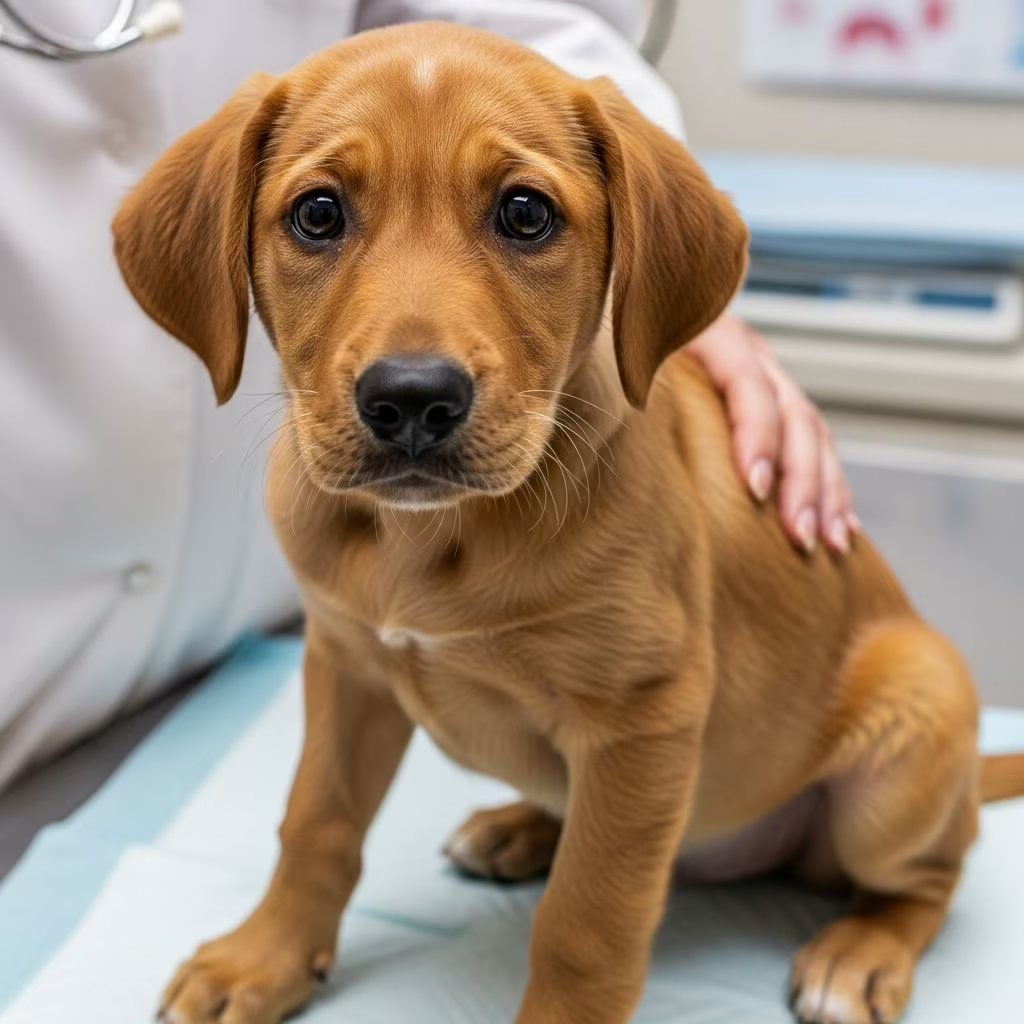
Puppies should steadily increase in size and weight during their early months, reflecting rapid growth and development. When this doesn’t happen, it signals potential health or nutritional concerns that require prompt attention. This guide examines key factors hindering puppy weight gain and offers actionable steps to support healthy progress.
Recognizing Signs of Inadequate Weight Gain
Monitor your puppy’s body condition weekly using a reliable scale and growth charts specific to their breed. A visible waistline, prominent ribs, and lack of muscle tone indicate underweight status. Compare against breed standards: small breeds gain about 5-10% body weight weekly in the first months, while larger ones follow similar patterns adjusted for size. Delayed growth can stem from multiple sources, often overlapping.
Primary Culprits Behind Stunted Puppy Growth
Several issues commonly prevent puppies from gaining weight effectively. Understanding these helps target interventions accurately.
1. Not Enough Calories in the Diet
Puppies burn energy quickly due to constant activity and development. If meals provide fewer calories than needed, weight stalls despite normal eating. Factors include misjudging portion sizes as the puppy grows or selecting low-calorie formulas. Calculate daily needs based on age, breed, and activity: typically 2-3 times adult maintenance calories for young pups.
2. Parasitic Infections in the Gut
Roundworms, hookworms, and other intestinal parasites are prevalent in puppies, competing for nutrients and causing malnutrition. Pups may appear pot-bellied with dull coats and diarrhea. Routine fecal exams and deworming from 2 weeks old are essential, repeating every 2 weeks until 12 weeks, then monthly. Untreated, parasites severely impair absorption.
3. Allergic Reactions or Food Intolerances
Sensitivities to ingredients like grains, chicken, or beef disrupt digestion, leading to poor nutrient uptake. Symptoms include chronic diarrhea, itchy skin, and ear problems alongside weight stagnation. Elimination diets under vet guidance identify triggers, switching to hydrolyzed proteins or novel sources restores growth.
4. Gastrointestinal Disorders
Conditions like inflammatory bowel disease, infections, or congenital issues (e.g., liver shunts) hinder nutrient processing. Puppies show vomiting, loose stools, and lethargy. Diagnostics such as bloodwork, ultrasounds, or biopsies pinpoint causes, with treatments ranging from antibiotics to surgery.
5. Abrupt Diet Shifts
Frequent food changes without transition periods upset the gut microbiome, reducing digestibility. New owners often switch from breeder diets suddenly. Blend old and new foods over 7-10 days to minimize setbacks.
6. Underlying Medical Conditions
Diabetes, hypoglycemia, or dental pain can suppress appetite or absorption. High-energy pups in cold climates or with intense exercise may also struggle. Full veterinary exams rule out these.
Steps to Promote Healthy Weight Gain
Once medical issues are addressed, focus on nutrition and management tweaks.
- Boost Caloric Density: Select AAFCO-approved growth formulas for puppies, matching expected adult size (e.g., large-breed specific to prevent joint issues).
- Increase Feeding Frequency: Offer 3-4 small meals daily to maximize intake without overwhelming digestion.
- Add Nutrient Boosters: Top kibble with wet food, plain yogurt, or vet-recommended oils for extra calories and palatability.
- Incorporate Fresh Elements: Small amounts of cooked lean meats, eggs, or veggies provide bioavailable nutrients.
- Track Progress: Weigh weekly, adjust portions, and log stool quality and energy levels.
Sample High-Calorie Feeding Schedule
Use this table as a starting point for an 8-week-old medium-breed puppy (adjust per vet advice).
| Time | Meal Type | Portion (cups kibble equivalent) | Calories (approx.) |
|---|---|---|---|
| 7 AM | Kibble + wet topper | 0.5 | 250 |
| 12 PM | Kibble + oil drizzle | 0.5 | 250 |
| 5 PM | Kibble + boiled chicken | 0.5 | 250 |
| 9 PM | Kibble + yogurt | 0.5 | 250 |
| Total Daily | 1000 | ||
Total assumes a 400-500 kcal/cup growth kibble; scale up for larger breeds.
Role of Veterinary Care in Recovery
Always start with a vet visit for comprehensive checks: fecal analysis, blood panels, and physical exams. They calculate precise caloric needs and recommend supplements if deficient in fats or proteins. Follow-up every 2-4 weeks monitors response. Avoid over-the-counter remedies without guidance.
Lifestyle Factors Influencing Growth
- Exercise Balance: Moderate play builds muscle but excessive burns calories needed for gain.
- Stress Reduction: Stable routines and quiet spaces encourage eating.
- Environment: Warm bedding conserves energy in chilly conditions.
Preventing Future Weight Issues
Establish baseline weights at adoption. Deworm proactively, transition diets gradually, and choose quality foods. Annual check-ups catch problems early. Educate on breed-specific growth curves for realistic expectations.
Frequently Asked Questions (FAQs)
How long does it take for a puppy to gain weight after treatment?
Visible improvements often occur within 1-2 weeks post-deworming or diet changes, with steady gains resuming fully in 4-6 weeks.
Can I feed adult dog food to my underweight puppy?
No; puppy formulas have higher calories, proteins, and nutrients for growth. Adult food risks deficiencies.
What home remedies help weight gain?
Stick to vet-approved additions like bone broth or fish oil. Never use human supplements.
Is my puppy underweight if ribs are visible?
Yes, if easily felt with no fat cover and waist pronounced. Consult charts for breed norms.
Does neutering affect weight gain?
Spay/neuter may lower metabolism, requiring calorie adjustments downward later, but focus on growth first.
References
- Why Is My Puppy Not Gaining Weight? 6 Vet-Reviewed Reasons — Dogster. 2023-10-15. https://www.dogster.com/dog-health-care/puppy-not-gaining-weight
- How to Help a Puppy Who Isn’t Gaining Weight — PetMD. 2024-05-20. https://www.petmd.com/dog/nutrition/how-help-puppy-who-isnt-gaining-weight
- Why Is My Dog Not Gaining Weight But Eating? — Houndsy. 2024-02-10. https://www.houndsy.com/blogs/modern-tails/why-is-my-dog-not-gaining-weight-but-eating-understanding-the-causes-and-solutions
- How to Help a Puppy Gain Weight — Pet Wellness Clinics. 2023-11-05. https://petwellnessclinics.com/articles/how-to-help-a-puppy-gain-weight
- How To Help A Dog Gain Weight — Ollie Blog. 2024-01-12. https://blog.myollie.com/how-to-help-a-dog-gain-weight/



