

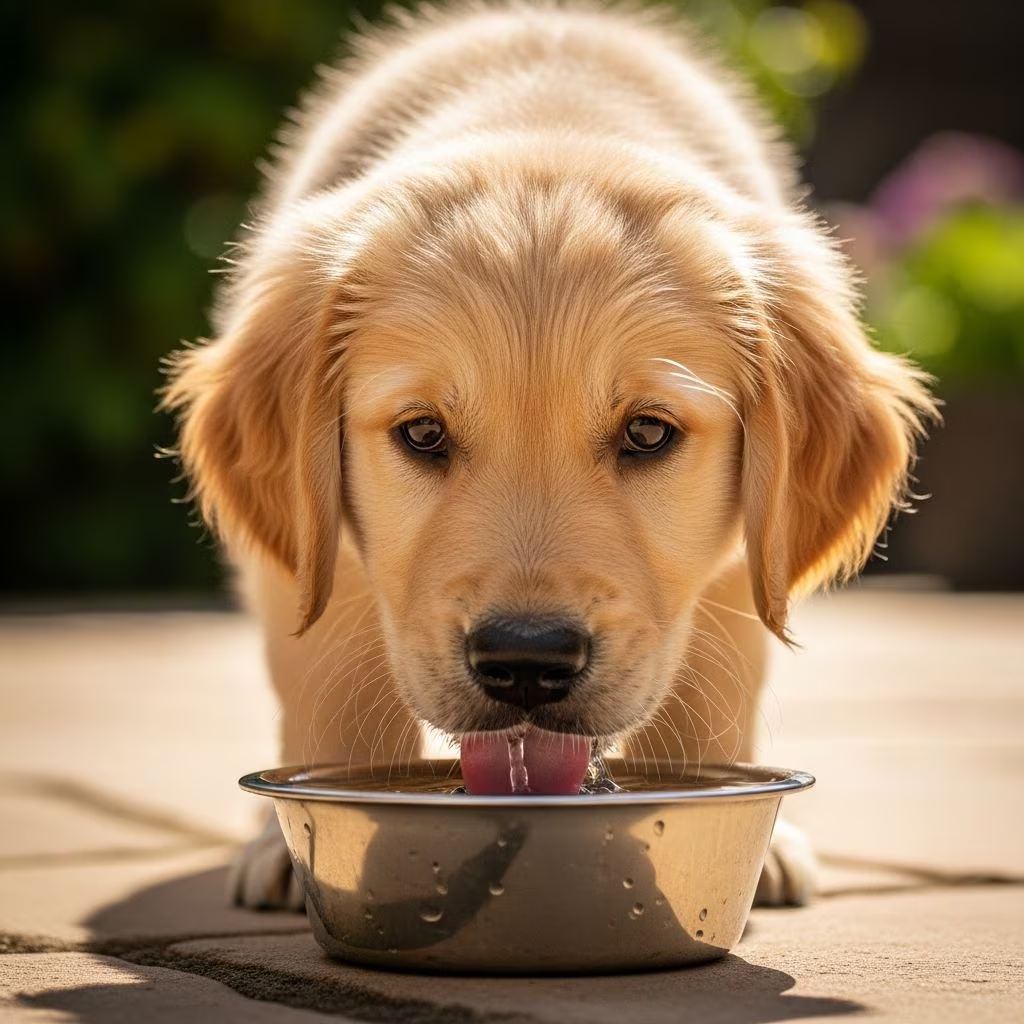
Hydration plays a critical role in a puppy’s development, supporting digestion, temperature regulation, and overall vitality. From the moment they arrive home, understanding their water needs prevents health complications and promotes smooth house training. This guide explores timelines for introducing water, precise daily requirements, influencing factors, and strategies to ensure consistent access.
Understanding Hydration Needs from Birth
Newborn puppies depend entirely on their mother’s milk, which supplies about 75-85% water content to meet all hydration demands. This natural source also delivers essential nutrients and antibodies. Introducing water too early risks diluting stomach acids needed for milk digestion or causing diarrhea in underdeveloped digestive systems.
- Milk provides complete hydration for the first 3-4 weeks.
- Weaning marks the transition phase where water becomes vital.
- Monitor stool consistency and energy levels during this shift.
Around 3 weeks, puppies begin exploring solid foods, signaling readiness for water. Offer small amounts in shallow dishes to encourage lapping without drowning risk. By 4-6 weeks, fully weaned pups should have constant access to fresh water alongside puppy kibble soaked in water for easier consumption.
Daily Water Requirements by Age and Weight
Puppies require varying water volumes based on growth stage and size. General guidelines suggest ½ to 1 ounce per pound of body weight daily for weaned pups, adjusting upward for activity or heat. Young puppies under 6 months often need more relative to adults due to rapid metabolism and playfulness.
For precise measurements, use this table adapted from veterinary recommendations:
| Weight (lbs) | Daily Water (mL) | Daily Water (Cups) |
|---|---|---|
| 3-5 | 60-200 | ¼ – 1 |
| 6-10 | 120-400 | ½ – 1.5 |
| 11-20 | 220-800 | 1 – 3⅓ |
| 21-30 | 420-1200 | 1¾ – 5 |
| 31-40 | 620-1600 | 2⅔ – 6½ |
Note: 1 cup = 240 mL. Increase by 20-50% in hot weather or post-exercise.
Weaning puppies (4-8 weeks) may start with ½ cup every 2 hours to align with feeding schedules and potty training. Older puppies (2-6 months) transition to ad libitum access, meaning available at all times, while monitoring total intake.
Key Factors Influencing Puppy Water Consumption
Several variables dictate exact needs beyond basic weight calculations. Environmental conditions, diet type, and health status all play roles.
- Diet: Dry kibble demands more drinking (up to 1 oz/lb) since it contains minimal moisture; wet food reduces needs by providing hydration through meals.
- Activity and Climate: Playful pups or those in warm, humid areas require 20-40 mL per pound daily.
- Age and Breed: Toy breeds metabolize faster, needing proportional increases; giants like Great Danes scale up volumes accordingly.
- Health Conditions: Lactation, illness, or medications can double requirements.
Track intake over 24 hours: measure morning levels, refill, and subtract leftovers. A 10-lb pup typically consumes 5-10 oz (½-1¼ cups), varying by factors above.
Best Practices for Providing Water Access
Strategic setup encourages healthy habits without overindulgence, especially during housebreaking.
- Bowl Selection: Use stainless steel or ceramic bowls (36-48 hour capacity) to deter bacteria; avoid plastic which scratches and harbors germs.
- Placement: Position multiple stations in quiet, accessible spots—kitchen, living room, yard—to prevent competition in multi-pet homes.
- Schedules for Young Pups: Offer ½ cup every 2 hours initially, then free access post-8 weeks. Nighttime restriction (after 8 PM) aids potty training.
- Enhancements: Add water to kibble, freeze cubes for treats, or mix with low-sodium broth for appeal.
Refresh water twice daily, more in heat. Elevated bowls suit larger breeds to reduce gulping and bloat risk.
Recognizing and Preventing Dehydration
Dehydration strikes quickly in puppies, causing lethargy, dry gums, sunken eyes, and skin tenting (pinch skin; slow return signals issue). Chronic under-drinking leads to kidney strain or urinary problems.
- Symptoms: Excessive panting, dark urine, loss of appetite, cool extremities.
- Causes: Insufficient access, illness (vomiting/diarrhea), heatstroke.
- Remedies: Oral rehydration solutions (vet-approved), ice chips, subcutaneous fluids if severe.
Prevent by daily checks: gums should be moist and pink (press; color rebounds in 2 seconds). Weigh weekly; sudden loss prompts vet visit.
Signs of Overhydration and How to Avoid It
Rare but possible, excessive intake causes vomiting, diarrhea, or hyponatremia (low blood sodium). Frequent in free-fed high-moisture diets or post-exercise binges.
Regulate by portioning during intense activity. Clear urine (not colorless) indicates balance. Consult vets for puppies exceeding 2x baseline intake persistently.
Special Considerations for Different Life Stages
Newborn to Weaning (0-4 Weeks)
No separate water; milk suffices. Introduce at weaning signs: interest in solids, reduced nursing.
Growing Pups (2-6 Months)
Increase to full adult ratios adjusted for weight. Support teething with cool water.
Adolescent to Adult Transition (6+ Months)
Stabilize at 1 oz/lb, fine-tuning for breed/activity. Pregnant/lactating females need 2-3x more.
Practical Tips for Busy Puppy Parents
- Portable fountains encourage drinking via flowing water appeal.
- Flavor enhancers: tuna water (unsalted) for picky pups.
- Travel: Collapsible bowls, bottled spring water.
- Logging app: Track intake, output for patterns.
Integrate with feeding: Soak meals 10-15 minutes for hidden hydration boost.
Frequently Asked Questions (FAQs)
When can puppies first have water?
Start small amounts at 3-4 weeks during weaning; full access by 6-8 weeks.
How much water for a 10-lb puppy?
5-10 oz (½-1¼ cups) daily, more if active or on dry food.
What if my puppy won’t drink enough?
Try wet food, ice cubes, multiple bowls; vet check if persistent.
Can puppies drink too much water?
Yes, leading to stomach upset; regulate during potty training.
Does breed affect water needs?
Yes, larger breeds need more volume; brachycephalics may drink less efficiently.
Long-Term Hydration for Lifelong Health
Consistent water habits build resilience against urinary tract infections, kidney disease, and obesity. Annual vet checkups refine needs as your pup matures. Pair with balanced nutrition for peak condition.
References
- Puppy Hydration Guide: How Much Water Does a Puppy Need? — PetPlace. Accessed 2026. https://www.petplace.com/article/dogs/pet-health/dog-health/dog-diet-nutrition/how-much-water-does-a-puppy-need
- How much water should puppies drink? — Barc London. Accessed 2026. https://www.barclondon.com/blogs/mindfulness-wellbeing/how-much-water-should-puppies-drink
- How Much Water Does a Puppy Need? — Ellendale Veterinary Service. Accessed 2026. https://www.oakesvet.com/post/how-much-water-does-a-puppy-need
- How Much Water Should a Puppy Drink? — Native Pet. Accessed 2026. https://nativepet.com/blogs/health/how-much-water-should-my-puppy-drink
- How Much Water Should a Puppy Drink? — Shawsheen Animal Hospital. Accessed 2026. https://shawsheenanimalhospital.com/blog/how-much-water-should-a-puppy-drink/
- How Much Water Should Dogs & Cats Drink Each Day? — Hill’s Pet Nutrition. Accessed 2026. https://www.hillspet.com/pet-care/nutrition-feeding/how-much-water-should-dogs-and-cats-drink



