

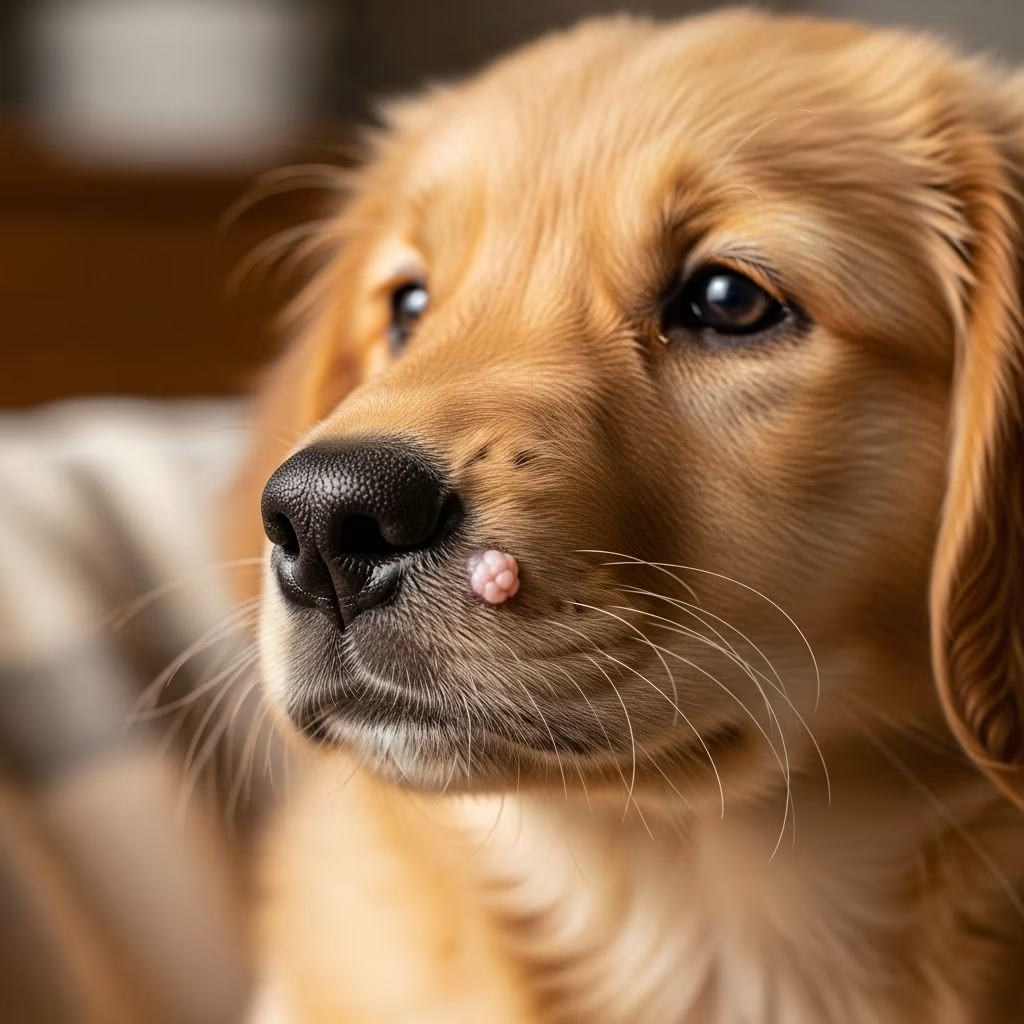
Viral papillomas, commonly known as puppy warts, are harmless skin growths triggered by canine papillomaviruses. These bumpy, often cauliflower-shaped lesions primarily affect young dogs whose immune systems are still developing, typically resolving without intervention in 1-2 months.
Understanding the Nature of Canine Papillomas
Canine papillomas represent a viral infection that leads to benign proliferation of skin cells. Unlike malignant tumors, these growths pose no serious health threat in most cases and are distinctly viral in origin.
The virus targets epithelial tissues, causing rapid but temporary cell overgrowth. Puppies under 2 years old encounter these most frequently due to immature immunity, though adults with compromised defenses may also develop them.
How Papillomavirus Infects Young Dogs
Canine papillomaviruses (CPVs) enter through minor skin breaks, abrasions, or mucous membranes. Direct contact with infected dogs, shared bowls, bedding, or contaminated environments facilitates spread.
Multiple CPV strains exist, each preferring specific sites: CPV-1 often hits facial areas, while CPV-2 favors abdomen and paws. Insects like fleas or ticks may aid transmission by carrying virus particles.
Post-exposure, incubation lasts 4-6 weeks before visible warts emerge. Infected dogs shed virus actively from lesions and can contaminate surroundings, where it persists weeks.
Common Locations and Visual Traits
- Oral cavity: Most prevalent site; clustered on lips, gums, tongue, causing drooling or eating discomfort.
- Facial skin: Around eyes, muzzle; may irritate if near eyes.
- Paws and genitals: Less common but possible; pad warts can affect gait.
- Body trunk: Rare in puppies, more in immunocompromised adults.
Warts appear raised, pinkish-gray, with frond-like surfaces resembling cauliflower. Sizes range from pinhead to pea-sized, sometimes merging into clusters.
Why Puppies Are Prime Targets
Young dogs’ immune systems lack full defenses against CPVs carried asymptomatically by many adults. Exposure at parks, daycare, or multi-dog homes heightens risk.
Once immunity develops against one CPV type, lifelong protection follows for that strain only. However, cross-protection against other strains remains absent.
| Age Group | Susceptibility | Resolution Time |
|---|---|---|
| Puppies (<2 years) | High | 1-5 months |
| Healthy adults | Low | Rare occurrence |
| Immunosuppressed | High | Prolonged, may need treatment |
This table summarizes vulnerability patterns based on immune status.
Distinguishing Warts from Serious Conditions
Not all bumps are papillomas. Sebaceous adenomas mimic appearance but stem from gland overgrowth, not virus. Mast cell tumors or melanomas demand biopsy for differentiation.
Vets diagnose via exam, cytology, or biopsy. Persistent growths (>3-5 months) or rapid changes warrant investigation to rule out malignancy, though rare.
Typical Progression and Self-Resolution
Most puppy warts peak in number/size at 4-8 weeks post-infection, then regress as immunity strengthens. Inflammation or darkening signals immune attack, followed by sloughing.
Full clearance occurs in 80-90% of cases without aid. Avoid home removal attempts, as they risk bleeding, infection, or virus spread.
Rare Complications Requiring Attention
Problems arise if warts:
- Obstruct mouth/eyes, impairing function.
- Bleed, ulcerate, or invite bacterial infection.
- Persist beyond 5 months, risking rare malignant shift.
- Affect immunosuppressed dogs on steroids or with illnesses like distemper.
Veterinary Interventions When Needed
Monitor first; treat only if necessary. Options include:
- Surgical excision: Scalpel, laser, or cryotherapy for isolated warts.
- Immune stimulants: Interferon, imiquimod cream, or autologous vaccines from dog’s warts.
- Medications: Oral azithromycin, cimetidine; reduce immunosuppressants if possible.
Prognosis excels post-treatment, with low recurrence if immunity builds.
Preventing Papilloma Spread in Puppies
- Limit contact with unknown dogs until 6 months old.
- Disinfect bowls, toys, bedding regularly.
- Supervise playdates; isolate active cases.
- Maintain vaccinations and flea control to bolster overall health.
No vaccine exists for CPVs, but strong immunity via balanced diet, deworming aids resistance.
Home Monitoring Tips for Worried Owners
Track wart count, size, color weekly. Note eating, walking changes. Consult vet if >10 warts, growth >1cm, or symptoms persist 2 months.
Avoid over-the-counter human wart products; they’re ineffective and toxic for dogs.
FAQs on Puppy Warts
Are dog warts contagious to humans?
No, canine papillomaviruses species-specific; no zoonotic risk.
Can older dogs get puppy warts?
Rarely; usually signals underlying immune issues.
How long until warts disappear?
Typically 1-2 months; up to 5 in some.
Should I remove warts myself?
No; risks complications. Vet evaluation essential.
Do warts indicate poor health?
Usually not; common in healthy puppies.
Long-Term Outlook for Affected Puppies
Puppies recover fully, gaining strain-specific immunity. Future outbreaks unlikely unless new CPV exposure or health decline. Routine checkups catch anomalies early.
Emphasize patience; these transient blemishes rarely disrupt joyful puppyhoods.
References
- Warts in Dogs – PetMD — PetMD. 2023. https://www.petmd.com/dog/conditions/all-about-dog-warts-types-causes-and-treatments
- Warts (Papillomatosis) in Dogs – Vetster — Vetster. 2023. https://vetster.com/en/conditions/dog/warts-papillomatosis
- Dog Warts: What are They and What Causes Them? – Hill’s Pet — Hill’s Pet Nutrition. 2023. https://www.hillspet.com/dog-care/healthcare/dog-warts
- Dog Warts – Causes and Treatments – Vets4Pets — Vets4Pets. 2023. https://www.vets4pets.com/pet-health-advice/dog-advice/dog-warts/
- Warts on Dogs: Vet Treatment Advice – MetLife Pet Insurance — MetLife Pet Insurance. 2023. https://www.metlifepetinsurance.com/blog/pet-health/warts-on-dogs/
- Natural Wart Remedies in Dogs – WagWalking — WagWalking. 2023. https://wagwalking.com/treatment/natural-wart-remedies
- Papilloma of the Skin – VCA Animal Hospitals — VCA Animal Hospitals. 2023. https://vcahospitals.com/know-your-pet/papilloma-of-the-skin



