

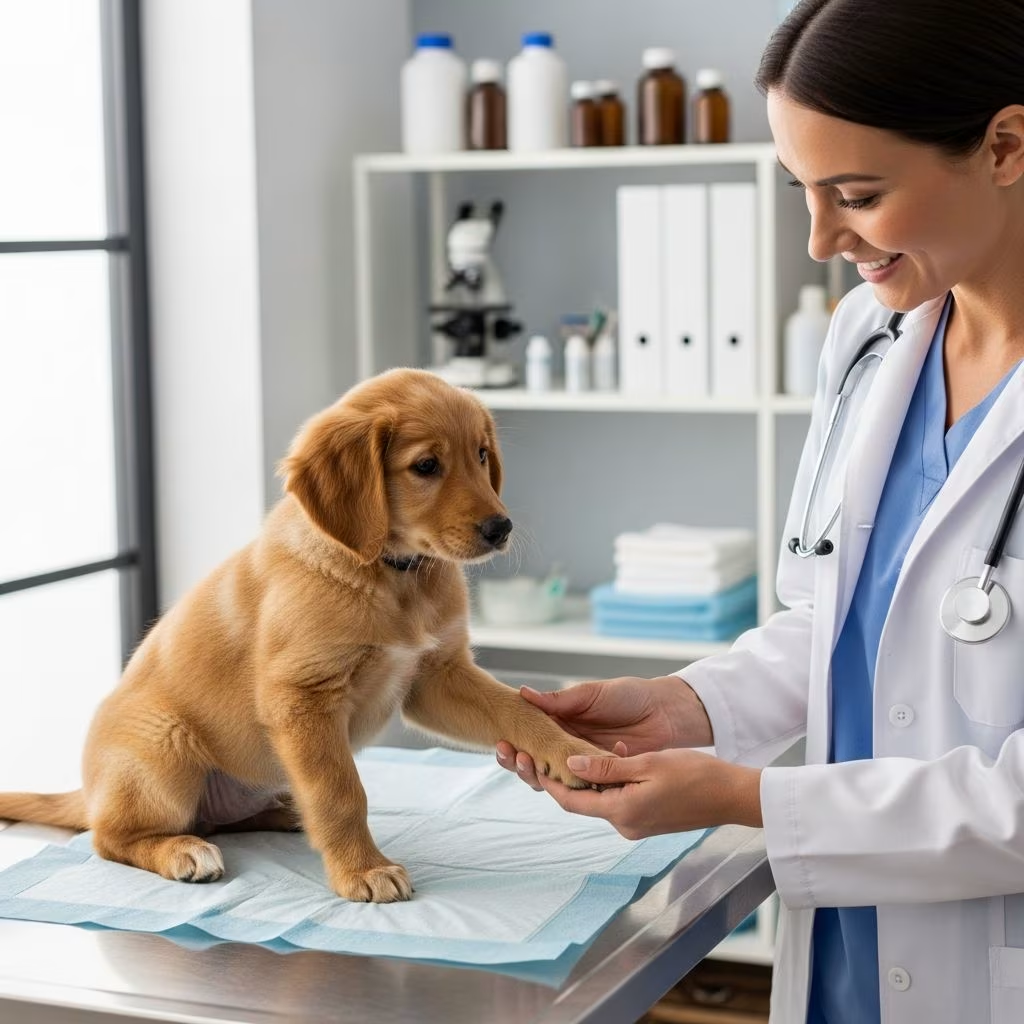
Puppy Veterinary Care: Recommendations for New Owners
Bringing a new puppy into your home is an exciting and rewarding experience. However, ensuring your puppy’s health and well-being requires proper veterinary care from the very beginning. This comprehensive guide provides essential information about veterinary care recommendations for new puppy owners, helping you establish a strong foundation for your puppy’s lifelong health.
The Importance of Early Veterinary Care
One of the most critical aspects of puppy ownership is establishing a relationship with a trusted veterinarian early on. Your veterinarian plays a vital role in monitoring your puppy’s growth and development, preventing disease, and addressing any health concerns that may arise. Regular veterinary visits during puppyhood set the stage for a healthy adult dog and help prevent serious health problems down the road.
Early veterinary care is not just about treating illness—it is fundamentally about prevention. During these crucial early months, your veterinarian will help you develop a comprehensive health plan tailored to your puppy’s specific needs, breed, and lifestyle. This proactive approach can save you time, money, and heartache by catching potential issues before they become serious.
When to Schedule Your Puppy’s First Veterinary Visit
Your puppy should have their first veterinary visit when they are 6 to 8 weeks old, unless they show signs of illness prior to this age. This initial visit is a cornerstone of responsible puppy ownership and provides an opportunity for your veterinarian to conduct a thorough health assessment.
If you acquire your puppy from a breeder or adoption center, ask for any available medical records. These documents may include information about previous examinations, vaccinations already administered, and any health concerns noted by the previous caretaker. Bring these records to your first appointment so your veterinarian has a complete picture of your puppy’s health history.
What to Expect During the First Veterinary Visit
During the initial 8-week puppy veterinary visit, your veterinarian will conduct a comprehensive wellness examination and provide essential preventive care. Understanding what happens during this visit can help you prepare and ask appropriate questions.
Comprehensive Physical Examination
Your veterinarian will perform a thorough head-to-tail physical examination of your puppy. This includes checking the eyes, ears, nose, and mouth for any abnormalities. They will listen to your puppy’s heart and lungs with a stethoscope to ensure normal heart rate and breathing patterns. The veterinarian will also palpate the abdomen to check for any lumps, abnormalities, or signs of discomfort.
The physical exam also includes assessing your puppy’s body condition, checking for proper skeletal development, and evaluating overall growth and maturity. This baseline information helps your veterinarian track your puppy’s development over time and identify any developmental issues early.
Vaccination Administration
The first round of vaccines is typically administered during the 8-week visit. Puppies receive a series of vaccinations over several weeks to build immunity against dangerous diseases. The core vaccines protect against diseases such as distemper and parvovirus, which can be fatal in young puppies. Your veterinarian will recommend a vaccination schedule specific to your puppy’s age, health status, and risk factors.
Vaccinations are typically administered in a series, with boosters given at regular intervals. Your veterinarian will provide you with a vaccination record and explain when your puppy needs to return for follow-up shots. It is important to follow this schedule precisely, as premature vaccination or extended intervals between shots can reduce the vaccine’s effectiveness.
Deworming and Parasite Prevention
Your veterinarian will administer the first round of dewormers during your initial visit. Internal parasites such as roundworms, hookworms, and tapeworms are common in puppies and can cause serious health problems if left untreated. A deworming protocol typically involves multiple treatments over several weeks to eliminate parasites at different life stages.
Parasite preventives are started immediately to protect your puppy from external parasites like fleas, ticks, and mites, as well as internal parasites and heartworms. These preventives are essential year-round medications that protect your puppy from parasites that can transmit serious diseases. Your veterinarian will recommend the most appropriate preventive products for your puppy’s age, weight, and health status.
Health Advice and Guidance
Your veterinarian will provide comprehensive new puppy care tips during this initial visit. This includes guidance on appropriate nutrition, training methods, socialization, and behavioral expectations. Your veterinarian is an excellent resource for answering questions about your puppy’s growth, development, and any concerns you may have about their health or behavior.
Understanding Your Puppy’s Vaccination Schedule
Puppies typically require a series of vaccinations starting at 6 to 8 weeks of age, with boosters administered every 3 to 4 weeks until 16 weeks of age. Core vaccines protect against disease and are recommended for all puppies, while non-core vaccines may be recommended based on your puppy’s lifestyle and risk factors.
Core vaccines typically include protection against:
- Canine distemper virus
- Canine parvovirus
- Rabies virus
Non-core vaccines may include protection against bordetella (kennel cough), leptospirosis, and Lyme disease, depending on your geographic location and your puppy’s exposure risks. Your veterinarian will assess your puppy’s individual risk factors and recommend an appropriate vaccination protocol.
Parasite Prevention: A Critical Component of Puppy Health
Parasites pose significant health risks to puppies and can transmit serious diseases to both dogs and humans. A comprehensive parasite prevention program is essential for keeping your puppy healthy.
Internal Parasite Control
Internal parasites such as roundworms, hookworms, whipworms, and tapeworms are extremely common in puppies. These parasites can cause malnutrition, anemia, diarrhea, and stunted growth. Puppies should be dewormed at 2, 4, 6, and 8 weeks of age, then monthly until 6 months old, and then quarterly until 1 year of age. Your veterinarian may recommend additional deworming based on your puppy’s risk factors.
External Parasite Control
External parasites including fleas, ticks, and ear mites can cause discomfort and transmit serious diseases. Modern flea and tick preventives are highly effective and are available in various formulations including topical treatments, oral medications, and collars. These preventives should be administered year-round, as parasites can remain active during winter months in many regions.
Heartworm Prevention
Heartworm disease is a serious and potentially fatal condition transmitted by mosquitoes. Heartworm prevention should begin as soon as your veterinarian recommends, typically starting at the first veterinary visit. Monthly heartworm preventives are highly effective at preventing this disease.
Nutrition and Feeding Guidelines for Growing Puppies
Puppies grow rapidly and require appropriate nutrition to support healthy development. Your veterinarian will recommend a high-quality puppy food formulated to meet your growing dog’s specific nutritional needs. Puppies should be fed measured amounts at regular feeding times, generally 2 to 3 times per day, based on their body condition and age.
Your veterinarian will assess your puppy’s body condition during each visit and adjust feeding recommendations as needed. Overfeeding can lead to obesity and joint problems, while underfeeding can result in stunted growth and developmental issues. Following your veterinarian’s feeding recommendations ensures your puppy receives optimal nutrition for healthy growth.
Socialization and Behavioral Development
Early socialization is critical for healthy behavioral development. Puppy training classes that begin as early as 8 to 9 weeks of age will ensure both early socialization and early learning. These classes expose your puppy to new people, environments, and experiences in a safe, controlled setting, helping your puppy develop confidence and appropriate social skills.
Your veterinarian can recommend reputable training classes and trainers in your area. Early training and socialization help prevent behavioral problems later in life and make your puppy a well-adjusted, happy companion.
Dental Care for Young Puppies
Dental health is an important aspect of overall puppy health that is often overlooked. Your veterinarian will assess your puppy’s teeth and bite during regular examinations. Starting good dental hygiene habits early, including regular tooth brushing and professional dental cleanings when recommended, helps prevent dental disease throughout your puppy’s life.
Microchipping and Identification
Microchipping your puppy provides a permanent form of identification if your puppy becomes lost. Your veterinarian can implant a microchip during a routine visit. This tiny chip contains identification information that can be read by animal shelters and veterinary clinics. Additionally, ensure your puppy wears a collar with identification tags that include your current contact information.
Spaying and Neutering Recommendations
Spaying and neutering are important health procedures that prevent unwanted litters and reduce the risk of certain cancers and reproductive diseases. Your veterinarian will discuss the timing of spaying or neutering with you based on your puppy’s breed, size, and individual health considerations. Most puppies are candidates for these procedures around 6 months of age, though some large breed puppies may benefit from delaying surgery.
Establishing a Long-Term Veterinary Relationship
Your veterinarian becomes an important partner in your puppy’s lifelong health care. Regular veterinary visits establish baseline health information and allow your veterinarian to detect health problems early when they are most treatable. Building a strong relationship with your veterinarian means you have a trusted resource for questions about nutrition, training, behavior, and health concerns throughout your dog’s life.
Common Questions New Puppy Owners Ask
Q: How often should my puppy see the veterinarian during the first year?
A: Puppies typically require veterinary visits every 3 to 4 weeks during their first 16 weeks for vaccinations and examinations. After the initial vaccination series is complete, puppies should be seen at least annually, and some veterinarians recommend more frequent visits during the first year of life to monitor growth and development.
Q: What should I do if my puppy shows signs of illness before 6 weeks of age?
A: If your puppy shows any signs of illness such as vomiting, diarrhea, lethargy, or difficulty breathing, contact your veterinarian immediately. Puppies can deteriorate quickly, and prompt medical attention is essential.
Q: Are there any vaccines my puppy doesn’t need?
A: Your veterinarian will determine which vaccines are appropriate for your puppy based on geographic location, lifestyle, and risk factors. Not all non-core vaccines are necessary for every puppy, but your veterinarian will make personalized recommendations.
Q: Can I delay vaccinations if my puppy seems healthy?
A: No, vaccinations should be administered on schedule as recommended by your veterinarian. Even healthy-looking puppies can be susceptible to serious diseases, and the vaccination schedule is designed to provide optimal protection during vulnerable developmental stages.
Q: What should I bring to my puppy’s first veterinary appointment?
A: Bring any medical records from the breeder or previous caretaker, a list of questions you have about your puppy’s care, and information about any concerns you have noticed. Having your puppy’s estimated birth date or known age is also helpful.
Summary and Key Takeaways
Establishing comprehensive veterinary care for your new puppy is one of the most important decisions you can make as a pet owner. Schedule your puppy’s first veterinary visit at 6 to 8 weeks of age to begin a vaccination series, parasite prevention program, and establish a baseline for your puppy’s health. Follow your veterinarian’s recommendations for nutrition, training, and ongoing preventive care. By partnering with your veterinarian and following these essential guidelines, you are providing your puppy with the best possible foundation for a long, healthy, and happy life.
References
- Puppy Veterinary Care: Recommendations for New Owners — VCA Animal Hospitals. 2025. https://vcahospitals.com/know-your-pet/puppy—recommendations-for-new-owners-part-i—veterinary-care
- New Puppy Guide: Vet Care, Training & Supplies — VCA Animal Hospitals. 2025. https://vcahospitals.com/pediatric/puppy
- Feeding Growing Puppies — VCA Animal Hospitals. 2025. https://vcahospitals.com/know-your-pet/feeding-growing-puppies
- Getting Your Puppy Started Off Right — VCA Animal Hospitals. 2025. https://vcahospitals.com/know-your-pet/getting-your-puppy-started-off-right



