Puppy Vaccine Schedule: Complete Guide to Immunizations
Complete puppy vaccination schedule from puppyhood through adulthood with booster timelines.
Understanding Puppy Vaccines and Their Importance
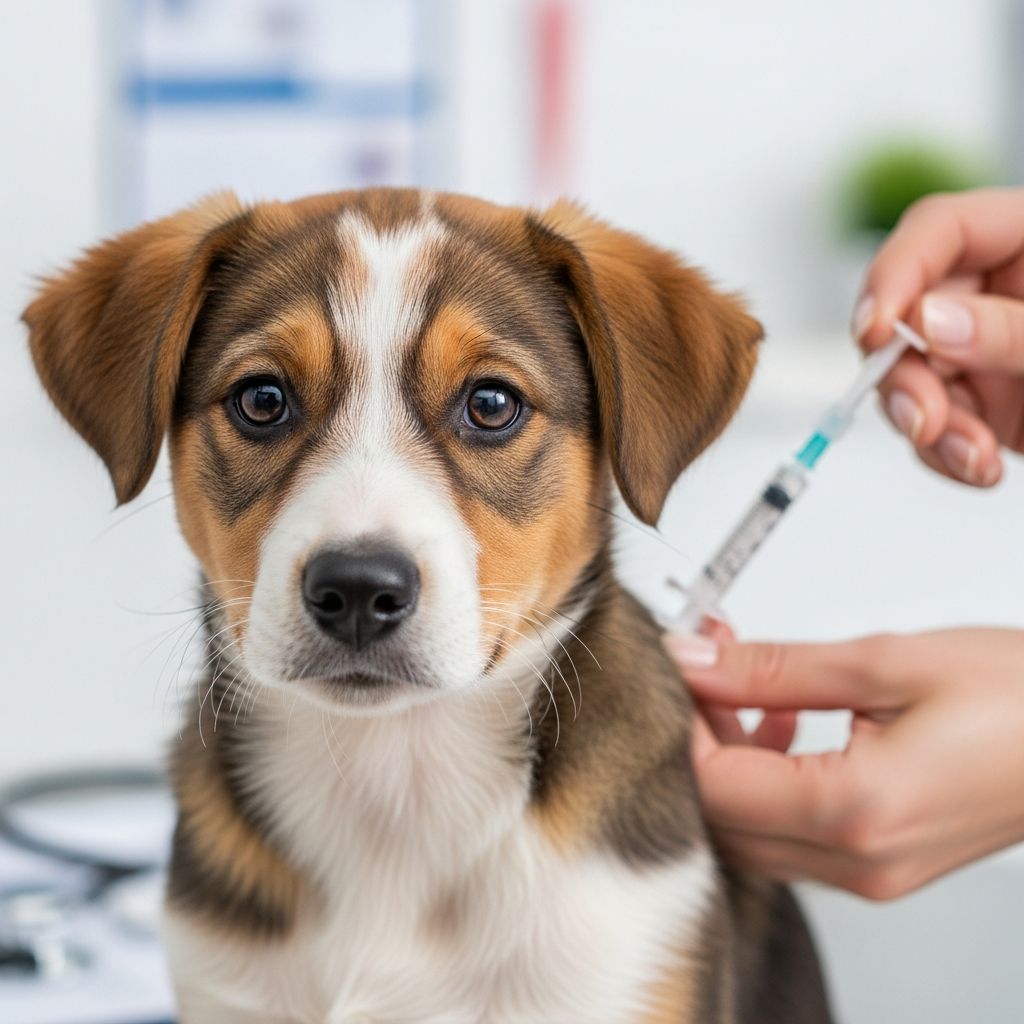
Vaccines are incredibly important for puppies as they stimulate your puppy’s immune system to recognize specific diseases so that your puppy can better fight off illnesses in the future. Vaccination is one of the most critical aspects of responsible pet ownership, protecting not only your puppy but potentially other dogs and even people in your community. Understanding the proper vaccination schedule ensures your puppy receives optimal protection during vulnerable developmental stages.
The recommended vaccines and schedule of injections may vary depending on your puppy’s individual needs, lifestyle, and geographic location. However, ideally vaccinations should start between 6 and 8 weeks of age. Most puppies will visit the veterinarian at six to eight weeks of age for a health exam and to begin vaccinations and parasite treatment and preventives. This is also a great time for you to discuss your puppy’s vaccination schedule as well as behavior and training with your veterinarian.
Core Vaccines for Puppies
Core vaccines are essential for all puppies and provide protection against common, serious diseases. These vaccines form the foundation of your puppy’s immune protection and are recommended regardless of your dog’s lifestyle or geographic location.
DAPPV Vaccine
The DAPPV vaccine is one of the most important vaccinations your puppy will receive. This vaccine protects your puppy from four serious diseases: distemper (D), adenovirus (A), parainfluenza (P), and parvovirus (PV). Your puppy should receive three to four DAPPV vaccines over the course of early puppyhood, potentially in combination with their leptospirosis vaccine at the last two visits.
Distemper, hepatitis, and parvovirus are generally included in one injection, which is given at least three times, spaced about 3 to 4 weeks apart. These injections usually begin when the puppy is between 6 and 8 weeks old and finish at or after 16 weeks of age. This spacing between vaccinations allows for maximum immune response and, therefore, the best protection.
Leptospirosis Vaccine
The leptospirosis vaccine protects against a dangerous disease that not only causes kidney and liver failure in dogs but can also be transmitted to people. Your puppy should have received two leptospirosis vaccines during their initial puppy series, spaced about 3 to 4 weeks apart. Leptospirosis vaccination may be combined with the DAPPV vaccination in the same injection or given separately, depending on your veterinarian’s recommendation.
It is important to follow your veterinarian’s recommended exam schedule to ensure that your puppy receives proper protection. If your puppy did not get their booster within 15 months of the very first vaccine dose, they will need to restart the series of two vaccinations given 3 to 4 weeks apart.
Rabies Vaccine
Rabies vaccines are often required by local regulations and are a critical core vaccine. As a youngster, your puppy should have received this vaccine once they were at least 12 weeks old. The rabies vaccine is often given at 12 to 16 weeks of age during your puppy’s initial vaccination series.
The rabies vaccine protects against one of the most severe and deadly diseases affecting dogs and other animals. When it comes to legal requirements, the rabies vaccine for puppies is the vaccine that’s typically required by jurisdictions. As your puppy moves into adulthood, they will continue to need the rabies vaccine to be licensed in most areas.
Non-Core Optional Vaccines
In addition to core vaccines, your veterinarian may recommend optional vaccines based on your puppy’s lifestyle, geographic location, and risk factors for exposure to specific diseases. These vaccines are not required for all dogs but are important for puppies with particular risk profiles.
Canine Infectious Respiratory Disease Complex (CIRDC)
Often called the Bordetella vaccine, this vaccine protects against several respiratory diseases, including Bordetella, parainfluenza (CPIV), and adenovirus (CAV-2). When your dog was going through their initial vaccine series, they likely received this vaccine as one dose when they were between 8 to 18 weeks old. The intranasal version, which confers rapid immunity within 72 hours, is the preferred formulation.
If your dog will be boarding and is not up to date on their CIRDC vaccine, they should receive the intranasal vaccine at least 72 hours prior to boarding to ensure protection against kennel cough and related respiratory conditions.
Canine Influenza Vaccine
The canine influenza vaccine is recommended for dogs who will be going to daycare, boarding facilities, or other environments with high risk of contact with other dogs. It is also recommended for dogs who live in or visit areas known to have outbreaks. If your puppy received this during their early puppy vaccine series, they should have gotten two doses spaced 2 to 4 weeks apart.
Canine influenza is highly contagious and spreads rapidly in group settings. Dogs at high risk for exposure benefit significantly from this vaccination to prevent illness and reduce transmission to other animals.
Lyme Disease Vaccine
The Lyme vaccine is recommended for dogs in areas with known Lyme disease cases. This disease is transmitted by infected ticks and can cause serious health complications including joint pain, lameness, and kidney disease. Puppies in such areas should have the complete series before they are 6 months old, with two doses given 3 weeks apart.
If you live in or frequently visit areas where Lyme disease is prevalent, discuss this vaccine with your veterinarian to determine if your puppy would benefit from protection.
Adult Dog Vaccination Schedule
Your puppy’s boosters will be coming due in the next few months! One year after finishing their initial puppy vaccine series, dogs need their next round of vaccines. Understanding the adult vaccination schedule helps ensure your dog maintains continuous protection throughout their life.
When Boosters Are Due
Regardless of when your young dog finished their series of puppy vaccines, they become due again one year later. For most puppies, this will be around 16 to 20 months of age. Your puppy should receive DAPPV again 1 year after finishing the initial puppy series, likely when your puppy is around 16 to 20 months old.
Because adult dogs who have been previously vaccinated develop long-lasting immunity, the DAPPV vaccine will be recommended every 3 years (triennially) from then on. This extended interval reflects the durability of immunity that develops after the initial series and first booster.
Adult Vaccination Schedule by Vaccine Type
| Vaccine | Type | Schedule After First Booster |
|---|---|---|
| DAPPV | Core | Every 3 years |
| Leptospirosis | Core | Annually |
| Rabies | Core | Annually or every 3 years (local regulations vary) |
| CIRDC (Bordetella) | Non-core | Annually |
| Canine Influenza | Optional | Annually (if at-risk) |
| Lyme Disease | Optional | Annually (in endemic areas) |
Leptospirosis Booster Schedule
Leptospirosis is always recommended annually for adult dogs. This annual requirement reflects the lower duration of immunity provided by this vaccine compared to DAPPV. On years that DAPPV is also due, DAPPV and leptospirosis can be given as a combination vaccine called DAL(4)PPV, simplifying your vaccination appointments and reducing the number of injections your dog receives.
Rabies Booster Schedule
Rabies is due again 1 year after the first rabies shot. Following this, your dog may get a rabies vaccine annually or every 3 years, depending on local regulations and vaccine availability. Some jurisdictions require annual rabies vaccination, while others accept vaccines with a longer duration. Your veterinarian can advise you regarding your local requirements.
CIRDC Booster Schedule
The CIRDC booster is recommended annually. This annual schedule is particularly important for dogs with regular exposure to other dogs in group settings. The intranasal vaccine formulation provides rapid immunity within 72 hours, making it ideal for dogs who will be entering boarding facilities or daycare settings.
Canine Influenza and Lyme Disease Boosters
If your puppy is considered at-risk for canine influenza, your pet is due 1 year after finishing their original series and then annually thereafter. Similarly, your puppy will be due for Lyme vaccine 1 year after the puppy series and then annually from then on, provided you live in or frequently visit endemic areas.
Annual Vaccination Requirements for Adult Dogs
Your puppy will have at least two vaccines recommended every year, including the leptospirosis vaccine and CIRDC vaccine. These two vaccines are essential components of annual wellness care for most adult dogs. Other years, they may have four or more vaccines recommended if rabies and DAPPV are due.
Most commonly, vaccinations for dogs are given during their annual wellness appointments. This timing allows your veterinarian to assess your dog’s overall health, update vaccinations, and discuss any concerns about your pet’s wellbeing. On years that DAPPV is due, a combination product that contains both DAPPV and leptospirosis can be given as one injection, reducing the number of shots your dog receives.
Managing Your Puppy’s Vaccine Schedule
Keeping track of your puppy’s vaccination schedule can be quite overwhelming given the number of vaccines, various intervals, and different types of protection required. Fortunately, modern technology makes this task much easier. You can easily check your puppy’s due dates by downloading the myVCA app, which sends reminders and tracks all your pet’s health records in one convenient location.
Maintaining accurate vaccination records is essential for compliance with local regulations, boarding facility requirements, and ensuring your dog receives timely protection. Your veterinarian’s office typically maintains these records, but having a personal copy or digital backup ensures you always have access to this critical health information.
Frequently Asked Questions About Puppy Vaccines
Q: At what age should my puppy start receiving vaccines?
A: Most puppies will visit the veterinarian at six to eight weeks of age for a health exam and to begin vaccinations. Vaccinations should ideally start between 6 and 8 weeks of age, with the initial series completed around 16 weeks of age.
Q: How often are puppy vaccines spaced apart?
A: Vaccines are given as a series of timely injections, typically spaced about 3 to 4 weeks apart. This spacing allows for maximum immune response and optimal protection development.
Q: What is included in the DAPPV vaccine?
A: DAPPV protects your puppy from four diseases: distemper (D), adenovirus (A), parainfluenza (P), and parvovirus (PV). These four diseases are included in a single injection administered multiple times during the puppy vaccination series.
Q: Is the rabies vaccine required by law?
A: Rabies vaccines are often required by local regulations. The rabies vaccine for puppies is the vaccine that is typically required by jurisdictions, and your dog must maintain current rabies vaccination to be licensed in most areas.
Q: How often does my adult dog need the leptospirosis vaccine?
A: Leptospirosis is always recommended annually for adult dogs. This annual schedule reflects the shorter duration of immunity provided by this vaccine compared to DAPPV.
Q: Can vaccines be combined into a single injection?
A: Yes, on years that DAPPV is due, DAPPV and leptospirosis can be given as a combination vaccine called DAL(4)PPV, which reduces the number of injections your dog receives.
Q: When should my dog receive the Bordetella vaccine?
A: The CIRDC (Bordetella) booster is recommended annually, particularly for dogs who will be boarding or attending daycare. If your dog will be boarding and is not up to date on their CIRDC vaccine, they should receive the intranasal vaccine at least 72 hours prior to boarding.
Q: Is the canine influenza vaccine necessary?
A: The canine influenza vaccine is recommended for dogs who will be going to daycare, boarding facilities, or other environments with high risk of contact with other dogs. It is also recommended for dogs who live in or visit areas known to have outbreaks.
Q: How do I track my puppy’s vaccination schedule?
A: You can easily check your puppy’s due dates by downloading the myVCA app, which helps organize and track all your pet’s health records and sends timely vaccination reminders.
Q: What happens if I miss a vaccination date?
A: If you miss a vaccination date, contact your veterinarian to reschedule as soon as possible. For leptospirosis specifically, if your puppy did not get their booster within 15 months of the very first vaccine dose, they will need to restart the series of two vaccinations given 3 to 4 weeks apart.
References
- Puppy Vaccine Schedule — VCA Animal Hospitals. 2024. https://vcahospitals.com/pediatric/puppy/health-wellness/puppy-vaccine-schedule
- Vaccines for Dogs — VCA Animal Hospitals. 2024. https://vcahospitals.com/know-your-pet/vaccines-for-dogs
- Puppy Vaccination Needs Into Adulthood — VCA Animal Hospitals. 2024. https://vcahospitals.com/pediatric/puppy/health-wellness/puppy-vaccinations
- Recommendations for New Puppy Owners: Veterinary Care — VCA Animal Hospitals. 2024. https://vcahospitals.com/know-your-pet/puppy—recommendations-for-new-owners-part-i—veterinary-care
- 2022 AAHA Canine Vaccination Guidelines — American Animal Hospital Association. 2022. https://www.aaha.org/resources/2022-aaha-canine-vaccination-guidelines/
Similar Articles






Read full bio of Sneha Tete