

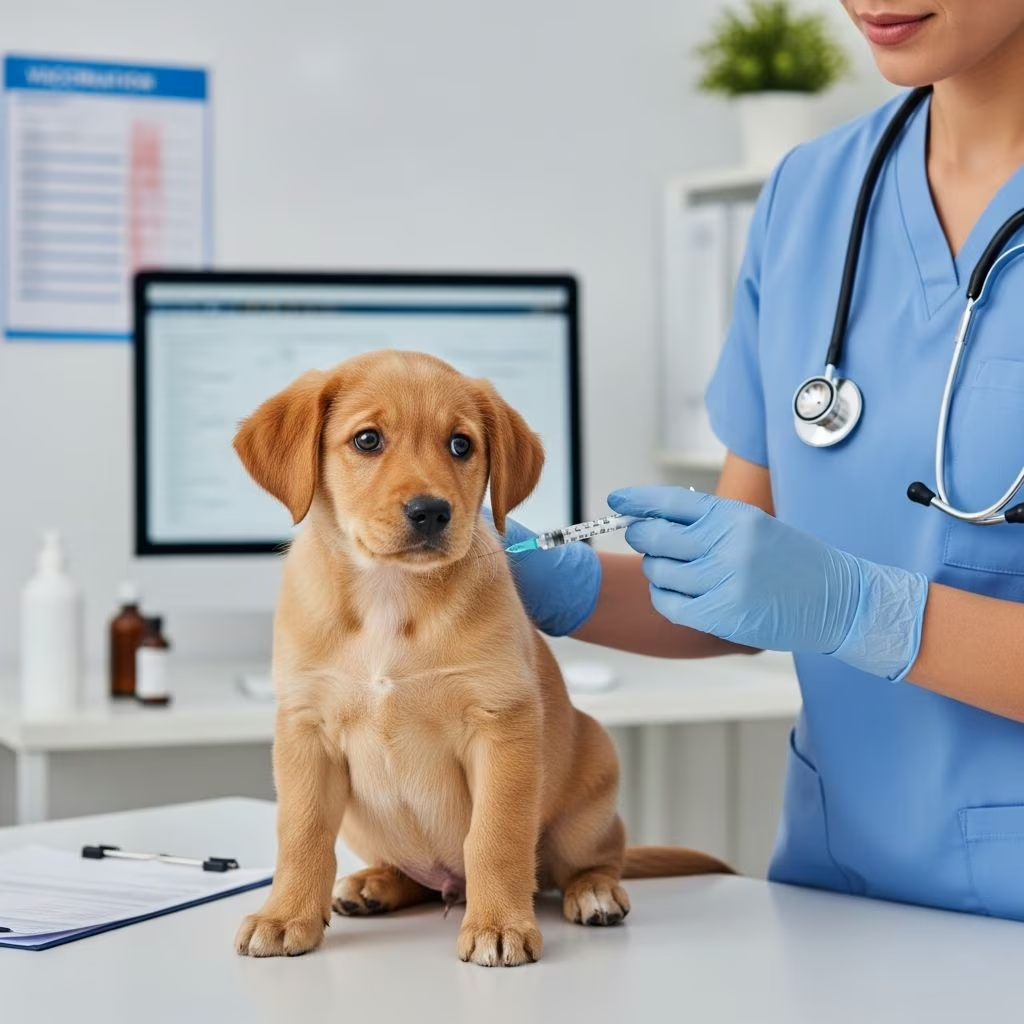
Puppy Vaccination Schedule: A Complete Guide to Protecting Your New Best Friend
Bringing a new puppy home is an exciting time filled with joy and new responsibilities. One of the most important responsibilities is ensuring your puppy receives appropriate vaccinations to protect against serious and potentially life-threatening diseases. Understanding the puppy vaccination schedule is essential for every new dog owner, as vaccinations form the foundation of your puppy’s long-term health and immunity.
Vaccinations work by introducing a controlled amount of a disease agent to your puppy’s immune system, allowing it to build antibodies and develop immunity without actually getting sick. This process protects not only your individual puppy but also contributes to the health of the broader dog community by reducing disease transmission.
Why Puppy Vaccinations Matter
Puppies are born with some immunity from their mothers, but this maternal immunity gradually fades over their first few months of life. During this vulnerable period, puppies need vaccinations to build their own immune defenses. Without proper vaccination, puppies are susceptible to serious diseases like distemper, parvovirus, hepatitis, and rabies—many of which can be fatal or cause severe lifelong complications.
Vaccinations are also legally required in most jurisdictions. The rabies vaccine, in particular, is mandated by law in nearly all states and municipalities. Additionally, many boarding facilities, dog parks, training classes, and grooming services require proof of current vaccinations before allowing your puppy to participate.
Core vs. Optional Vaccines: Understanding the Difference
When discussing puppy vaccinations, veterinarians distinguish between core vaccines and optional (non-core) vaccines. This distinction helps pet owners understand which vaccines are essential for all puppies and which may be recommended based on lifestyle and geographic location.
Core Vaccines
Core vaccines are recommended for all puppies regardless of lifestyle or location. These vaccines protect against diseases that are widespread, highly contagious, or pose serious health risks. The primary core vaccine is the DHPP vaccine, which protects against four diseases:
– Distemper (Canine Distemper Virus)- Hepatitis (Canine Adenovirus-2)- Parainfluenza- Parvovirus
Rabies is also considered a core vaccine and is legally required in most areas. The rabies vaccine is typically administered separately and is mandated by law because rabies is fatal in virtually all cases once clinical signs appear and poses a significant public health risk.
Optional Vaccines
Optional vaccines are recommended based on your puppy’s individual risk factors, lifestyle, and geographic location. These may include:
– Bordetella (Kennel Cough): Recommended for puppies that will be boarded, attend training classes, or visit dog parks- Leptospirosis: Recommended for puppies with exposure to wildlife, livestock, or standing water- Canine Influenza: Recommended in areas where canine flu is prevalent or for puppies in high-risk environments- Lyme Disease: Recommended in geographic areas where tick-borne Lyme disease is common- Coronavirus: May be recommended in certain regions
Your veterinarian is the best resource for determining which optional vaccines your puppy needs based on your specific situation.
The Typical Puppy Vaccination Timeline
Puppies typically receive their initial vaccinations starting at 6 to 8 weeks of age, continuing through approximately 16 weeks of age. The spacing between vaccinations is critical—vaccines must be given every 3 to 4 weeks to provide adequate protection. This schedule allows your puppy’s immune system time to respond to each vaccine before receiving the next one.
6 to 8 Weeks of Age
This is your puppy’s first veterinary appointment and vaccination visit. At this age, puppies receive their first dose of the DHPP vaccine. Some puppies may also receive optional vaccines like Bordetella or begin the Lyme disease vaccine series, depending on your veterinarian’s recommendations and your puppy’s risk factors. Puppies at this age are still receiving some protection from maternal antibodies, so the first vaccine begins priming their immune system.
10 to 12 Weeks of Age
The second vaccination visit occurs 3 to 4 weeks after the first. Your puppy receives a booster of the DHPP vaccine to strengthen immunity. Optional vaccines may also be administered or continued during this visit. Some veterinarians recommend beginning the rabies vaccine at this age, though it can be given as late as 16 weeks depending on local requirements and your vet’s protocol.
14 to 16 Weeks of Age
This is the critical final appointment of the puppy vaccination series. Your puppy receives the final dose of the DHPP vaccine, which must be given no earlier than 16 weeks of age according to most veterinary guidelines. The rabies vaccine is definitely administered at this visit if not given earlier. Any remaining optional vaccine boosters are also completed during this appointment. Spacing this final vaccine at 16 weeks or later ensures optimal immune response and provides the best long-term protection.
Vaccination Schedule Comparison Table
| Age | Core Vaccines | Optional Vaccines |
|---|---|---|
| 6–8 weeks | DHPP (Distemper vaccine) | Bordetella, Leptospirosis, Canine Influenza, Lyme Disease |
| 10–12 weeks | DHPP Booster | Bordetella, Leptospirosis, Canine Influenza, Lyme Disease boosters |
| 14–16 weeks | DHPP Booster, Rabies | Leptospirosis, Canine Influenza, Lyme Disease boosters |
| 12–16 months | DHPP Booster, Rabies | Bordetella, Leptospirosis, Canine Influenza, Lyme Disease boosters |
Special Considerations for Different Puppy Types
Large Breed Puppies
Large breed puppies may require additional consideration during vaccination. Some large breed dogs may benefit from receiving a fourth dose of the DHPP vaccine, extending the vaccination series to 18 to 20 weeks of age. This extended schedule can provide more consistent immunity in larger dogs. Discuss with your veterinarian whether your puppy’s breed warrants this modified schedule.
Puppies in High-Risk Areas
Puppies living in areas with high disease prevalence or in environments with greater exposure to infectious agents may benefit from extended vaccination protocols. These puppies might receive their final vaccines at 18 to 20 weeks of age rather than 16 weeks. Geographic location significantly impacts which optional vaccines your puppy needs, as disease prevalence varies by region.
Shelter and Rescue Puppies
Puppies from shelters and rescue organizations often have unknown vaccination histories and may have been exposed to multiple diseases. These puppies should begin vaccination immediately upon arrival, with boosters administered every 2 to 3 weeks until 18 to 20 weeks of age to ensure comprehensive protection during their vulnerable period.
After the Initial Series: Booster Vaccinations
Once your puppy completes the initial vaccination series at 16 weeks of age, booster vaccinations are essential for maintaining immunity. At 12 to 16 months of age, your puppy should receive booster vaccines for DHPP and rabies. After this one-year booster, the frequency of vaccinations changes based on your dog’s age and vaccine type.
For adult dogs, DHPP vaccines are typically given every 1 to 3 years, depending on your veterinarian’s recommendations and the specific vaccine used. Some vaccines are designed for one-year duration, while others provide three years of protection. Rabies boosters follow a similar pattern, typically administered every 1 to 3 years depending on the vaccine formulation and local legal requirements.
Important Timing Considerations
Maintaining proper spacing between vaccinations is crucial. Vaccines should be administered 3 to 4 weeks apart, and the final DHPP vaccine should not be given before 16 weeks of age. Missing these intervals or having too much time elapse between vaccinations can compromise immunity and may require restarting the entire vaccination series.
If significant time passes between scheduled vaccines—typically more than 4 weeks—contact your veterinarian. Depending on how much time has elapsed, your puppy may need to restart the vaccination series from the beginning to ensure adequate immunity is established.
Vaccine Administration Methods
Most puppy vaccines are administered by injection, which is the most common and effective method. However, some vaccines, particularly Bordetella (kennel cough), can be administered via nasal spray at 3 to 4 weeks of age or orally at 8 weeks of age. Your veterinarian will discuss which administration methods are appropriate for your puppy’s needs. Oral vaccines like the Bordetella oral form typically require annual boosters for continued protection.
What to Expect During Vaccination Visits
During vaccination appointments, your veterinarian will perform a physical examination to ensure your puppy is healthy enough for vaccinations. This exam includes checking your puppy’s temperature, heart rate, and overall body condition. Your vet will also palpate lymph nodes and examine for any signs of illness. Vaccinations are typically not administered if your puppy is visibly sick or showing signs of disease.
After vaccination, some puppies may experience mild side effects including slight lethargy, decreased appetite, or mild swelling at the injection site. These side effects typically resolve within 24 to 48 hours. Serious adverse reactions are rare but can include allergic reactions or anaphylaxis. Contact your veterinarian immediately if your puppy experiences severe symptoms after vaccination.
Frequently Asked Questions About Puppy Vaccinations
Q: When should I start my puppy’s vaccinations?
A: Puppies should begin vaccinations at 6 to 8 weeks of age or as soon as they are weaned from their mother. Starting early is crucial because maternal antibodies fade over time, leaving puppies vulnerable to disease.
Q: Can my puppy go outside before vaccinations are complete?
A: It’s generally recommended to limit outdoor exposure until your puppy has completed at least the first two vaccination rounds at 12 weeks of age. Avoid areas where unknown dogs congregate, such as dog parks and pet stores, until the vaccination series is complete at 16 weeks.
Q: What if I forget my puppy’s booster appointment?
A: If only a few weeks have passed, your puppy can receive the booster and continue on schedule. However, if more than 4 weeks have elapsed, contact your veterinarian, as your puppy may need to restart the vaccination series.
Q: Are there any side effects from puppy vaccinations?
A: Mild side effects like lethargy or decreased appetite for 24 to 48 hours are normal. Serious reactions are rare but can include swelling of the face or difficulty breathing, which require immediate veterinary attention.
Q: Does my puppy need all the optional vaccines?
A: Optional vaccines depend on your puppy’s lifestyle, geographic location, and risk factors. Discuss with your veterinarian which optional vaccines are appropriate for your puppy’s specific situation.
Q: When does my puppy need the rabies vaccine?
A: The rabies vaccine is typically administered between 12 to 16 weeks of age, with 16 weeks being preferred. Local laws specify the exact age requirements, so check your local regulations.
Q: How often does my adult dog need booster vaccines?
A: After the 12 to 16-month booster, most core vaccines are administered every 1 to 3 years depending on the vaccine type and your veterinarian’s recommendations.
References
- Puppy and Dog Vaccinations: A Schedule for Every Life Stage — PetMD. 2024. https://www.petmd.com/dog/care/dog-vaccinations-for-every-lifestage
- Vaccination Guidelines for Dogs and Cats — UC Davis School of Veterinary Medicine. 2024. https://healthtopics.vetmed.ucdavis.edu/health-topics/feline/vaccination-guidelines-dogs-and-cats
- 2022 AAHA Canine Vaccination Guidelines — American Animal Hospital Association. 2022. https://www.aaha.org/resources/2022-aaha-canine-vaccination-guidelines/
- A Complete Guide to Puppy Vaccinations — American Kennel Club. 2024. https://www.akc.org/expert-advice/health/puppy-shots-complete-guide/
- Dog Vaccine Schedule: A Guide To Dog & Puppy Shot Schedules — Small Door Veterinary. 2024. https://www.smalldoorvet.com/learning-center/wellness/vaccine-schedules-for-dogs-puppies
- Puppy Vaccine & Booster Shot Schedule — Heart of Brooklyn Veterinary. 2024. https://www.heartofbrooklynveterinary.com/site/blog/2024/03/31/puppy-vaccine-schedule
- Pet Vaccination Guidelines — Madison Veterinary Hospital. 2024. https://www.madisonvet.com/services/wellness-prevention/pet-vaccination-guidelines



