

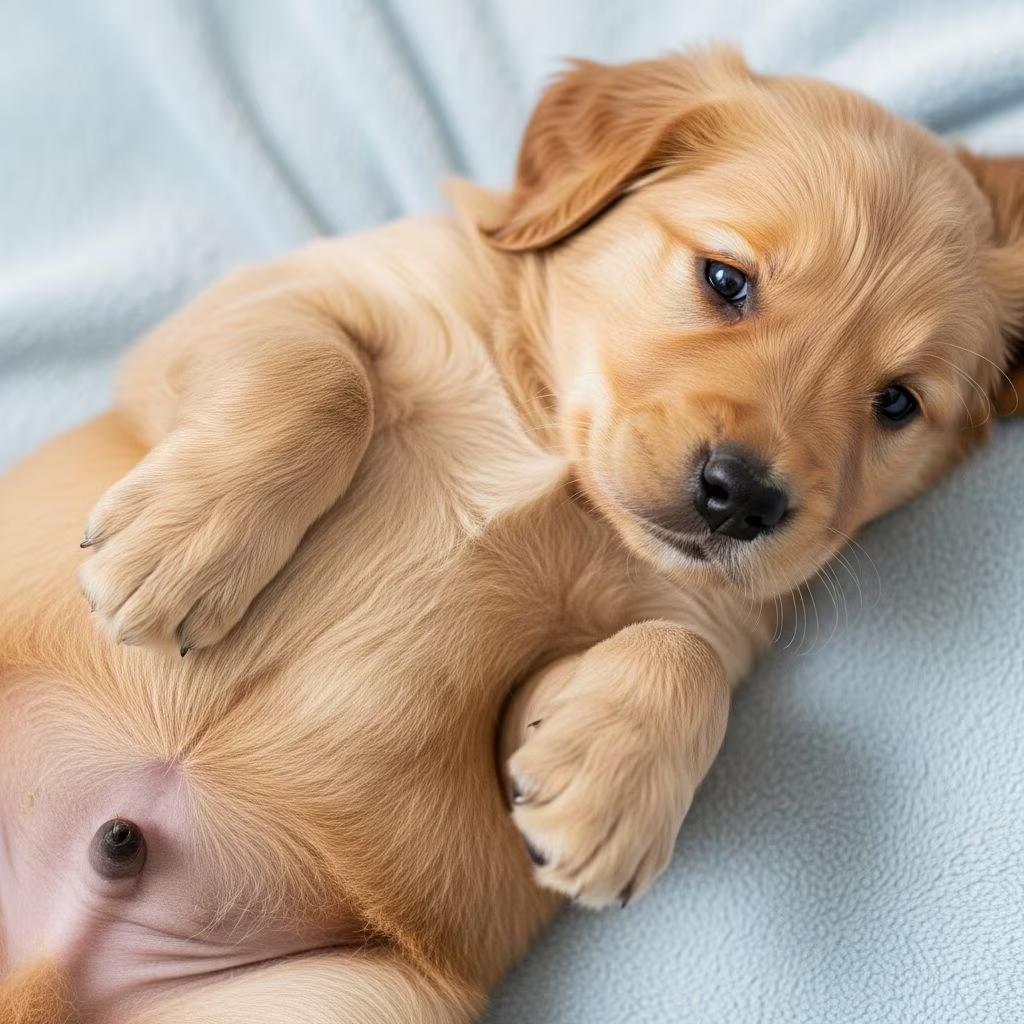
Umbilical hernias represent a frequent congenital issue in young dogs, where a section of the abdominal wall fails to fully close after birth. This creates a small gap through which tissue or fat may protrude, often appearing as a soft bulge near the puppy’s navel. While many cases resolve without intervention, awareness of this condition empowers owners to monitor their pets effectively and seek timely veterinary input.
Understanding the Basics of Umbilical Hernias
During fetal development, the umbilical cord passes nutrients from the mother to the puppy through the abdomen. Post-birth, this site should seal naturally. When it does not, an umbilical hernia forms. These are typically evident shortly after birth and can vary from tiny defects smaller than a pencil eraser to larger openings spanning several centimeters. Breeds such as Weimaraners, Pekingese, and Basenjis show higher predisposition, though any puppy may be affected.
The hernia sac usually contains only fatty tissue initially, posing minimal immediate risk. However, in rarer instances, intestines or other organs may slip through, elevating concerns. Owners often first notice the protrusion when the puppy strains, cries, or stands, as pressure increases abdominal contents’ visibility.
Spotting the Signs in Your Puppy
Early detection hinges on routine observation. Common indicators include:
- A soft, round lump at the belly button site, reducible by gentle pressure.
- Visibility during activity like barking or excitement.
- No associated pain or discomfort in uncomplicated cases.
Monitor for changes: a firm, painful, or warm bulge signals potential entrapment. Accompanying symptoms such as vomiting, lethargy, appetite loss, or abdominal tenderness demand urgent attention, as they suggest strangulation where blood supply to trapped tissue is compromised.
Perform weekly belly checks during the first few months. Note size fluctuations; many shrink as the puppy grows and muscle strengthens around the defect.
Causes and Risk Factors
Primarily congenital, umbilical hernias stem from incomplete closure of the abdominal muscles post-umbilical cord detachment. Genetic factors play a role, explaining breed predispositions. Environmental influences like premature birth or low birth weight may contribute, though evidence remains anecdotal.
Unlike inguinal hernias, umbilical ones rarely link to trauma. Owners should not attempt manual reduction repeatedly, as this risks irritation or worsening the gap. Responsible breeders screen for this trait, often noting it on health certificates.
Diagnostic Approaches by Veterinarians
Vets identify umbilical hernias during initial wellness exams, typically at 6-8 weeks. Physical palpation suffices for most diagnoses, assessing size, reducibility, and contents. Small, fatty hernias require no further testing.
For larger or suspicious cases, imaging enhances accuracy:
| Method | Purpose | When Used |
|---|---|---|
| Ultrasound | Visualizes sac contents (fat vs. organs) | Large hernias or strangulation suspicion |
| Radiography | Detects intestinal involvement | Complex or painful presentations |
These tools guide treatment, ensuring interventions target actual risks rather than appearance alone.
Natural Resolution: When to Watch and Wait
Approximately 75-90% of small umbilical hernias (<1 cm) close spontaneously by 4-6 months as the puppy matures and abdominal muscles fortify. Vets recommend monitoring during this window, scheduling rechecks at vaccination visits.
Criteria for observation include:
- Soft, easily reducible bulge.
- No growth over time.
- Absence of clinical signs like pain or digestive upset.
If unchanged by spay/neuter age (6 months), surgical correction becomes standard to preempt complications and leverage a single anesthetic event.
Surgical Correction: Procedure and Timing
For persistent or problematic hernias, herniorrhaphy offers a straightforward fix. Under general anesthesia, the vet repositions protruding contents, excises scar tissue, and sutures the muscular ring closed. Large defects may incorporate mesh reinforcement.
Optimal timing aligns with elective procedures like sterilization, minimizing anesthesia exposures and costs. Standalone repairs suit emergencies or older dogs. Prognosis post-surgery exceeds 95% success, with rapid recovery.
Post-operative care emphasizes:
- 10-14 days restricted activity.
- E-collar or recovery suit to prevent licking.
- Wound monitoring for swelling, discharge, or dehiscence.
Potential Complications and Prevention
Untreated small hernias rarely trouble, but larger ones risk incarceration: tissue strangulation leads to necrosis, peritonitis, or sepsis. Incidence remains low (<5%), yet vigilance prevents escalation.
Surgical risks mirror any procedure: anesthesia reactions (rare in healthy pups), infection, or seroma formation. Adhering to aftercare slashes these to under 2%.
Prevention focuses on breeding: affected dogs should undergo sterilization to curb heritability. Owners adopting puppies with noted hernias face no long-term health detriments if addressed promptly.
Caring for a Puppy with an Umbilical Hernia
Daily management mirrors standard puppy care with added scrutiny. Avoid rough play or pressure on the abdomen during the observation phase. Maintain hygiene around the site to deter infections, though skin issues prove uncommon.
Nutrition supports muscle development: high-quality puppy food rich in protein aids natural closure. Gentle exercise promotes toning without strain.
Adoption decisions should not hinge on this finding alone; most puppies thrive post-resolution. Discuss with breeders and vets for full disclosure.
Cost Considerations and Insurance
Expenses vary: standalone repairs range $300-800, dropping to $50-150 when bundled with spay/neuter. Factors include location, hernia size, and imaging needs. Pet insurance often covers 70-90% post-waiting period, underscoring early enrollment value.
Seek quotes from multiple clinics; teaching hospitals offer economical options with expert oversight.
Frequently Asked Questions (FAQs)
Can all umbilical hernias be fixed without surgery?
Small ones often resolve naturally by 4-6 months. Larger or non-closing cases require surgery.
Is an umbilical hernia painful for my puppy?
Uncomplicated hernias cause no pain. Pain indicates emergency evaluation.
Should I buy a puppy with a hernia?
Yes, if otherwise healthy. Repair is routine and low-risk.
How long is recovery after hernia surgery?
Puppies resume normal activity in 10-14 days with proper care.
Are certain breeds more prone?
Yes, Weimaraners, Pekingese, Basenjis, and others show elevated rates.
Long-Term Outlook and Monitoring
Post-resolution, whether spontaneous or surgical, puppies lead normal lives sans recurrence risk. Annual vet exams suffice for ongoing health. Educated owners contribute to better outcomes, transforming a common anomaly into a minor footnote in their dog’s story.
References
- Puppy umbilical hernias: The signs, risks and treatment options — Pooch & Mutt. 2023. https://www.poochandmutt.co.uk/blogs/puppy/umbilical-hernias
- What To Do If Your Puppy Has An Umbilical Hernia? — Dr. Kelly’s Vet. 2024. https://www.drkellysvet.com/umbilical-hernia-care-for-puppies/
- Understanding Umbilical Hernias in Puppies — GeniusVets. 2023. https://www.geniusvets.com/pet-care/learn/dogs/medical-resources/diseases-and-conditions-understanding-umbilical-hernias
- Hernias in Puppies: What You Need to Know — PetMD. 2024-01-15. https://www.petmd.com/dog/general-health/hernias-puppies-what-you-need-know
- Puppy Umbilical Hernias – What New Dog Owners Should Know — Hoosier Canines. 2023. https://www.hoosiercanines.com/articles/puppy-umbilical-hernias/
- Umbilical Hernia in Dogs — VCA Animal Hospitals. 2024. https://vcahospitals.com/know-your-pet/hernia-umbilical-in-dogs
- Umbilical Hernias In Dogs: Everything You Need to Know — Chewy. 2023. https://www.chewy.com/education/dog/health-and-wellness/umbilical-hernias-in-dogs-more-common-than-you-think
- Hernias in Animals — Merck Veterinary Manual. 2025-02-01. https://www.merckvetmanual.com/digestive-system/congenital-and-inherited-anomalies-involving-the-digestive-system/hernias-in-animals



