

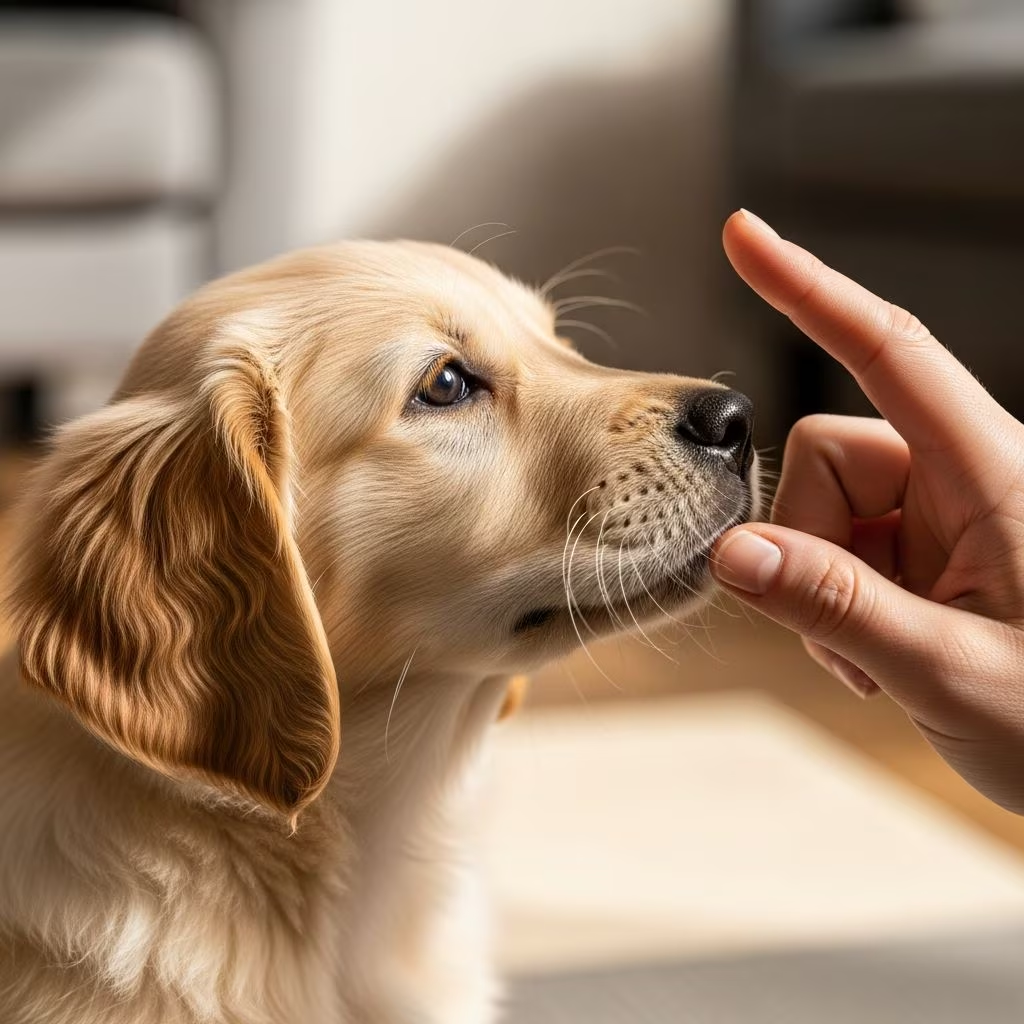
Accustoming your puppy to human touch early on creates a foundation of trust that benefits grooming, veterinary care, and everyday interactions. Positive reinforcement methods ensure handling becomes a source of joy rather than stress.
Why Early Handling Matters for Puppies
From 8 to 16 weeks, puppies undergo a critical socialization window where experiences shape their lifelong responses to touch. Gentle, rewarding interactions during this period prevent fear-based reactions to necessary procedures like nail trims or ear checks. Owners who prioritize touch training report fewer struggles at the vet and easier home care routines. This preparation not only strengthens the human-dog bond but also enhances safety by reducing defensive behaviors.
Neglecting handling can lead to sensitivities in areas like paws or mouths, complicating future tasks. Conversely, systematic exposure builds resilience, turning potential stressors into neutral or enjoyable events. Professional trainers emphasize starting with short, fun sessions integrated into daily life for optimal results.
Decoding Your Puppy’s Body Signals
Understanding nonverbal cues is crucial before advancing touch exercises. A relaxed puppy shows loose muscles, soft eyes, and a wagging tail base, inviting more interaction. Signs of discomfort include lip licking, yawning, turning away, stiffening, or tucking the tail—pause immediately and revert to preferred touches.
- Positive indicators: Leaning in, play bowing, relaxed mouth, steady breathing.
- Warning signs: Ears pinned back, whale eye (whites visible), freezing posture, growling.
- Escalation cues: Snapping, cowering, or fleeing—stop and consult a professional.
Observe during calm moments to baseline normal behavior. Progress only when 80-90% of signals remain positive, ensuring sessions end on a high note.
Building a Touch Foundation: Daily Massage Routine
Begin with strokes your puppy already adores, such as along the back or chest, using slow, firm pressure. Speak in a soothing tone, pairing each pass with praise or tiny treats. Sessions last 1-2 minutes, 3-5 times daily, always stopping while the puppy seeks more.
| Preferred Touch Areas | Technique | Duration |
|---|---|---|
| Back and sides | Slow, even strokes from shoulders to hips | 20-30 seconds |
| Chest and under chin | Gentle circular motions | 15 seconds |
| Rump scratches | Firm, rhythmic scratches | 10-15 seconds |
Transition gradually: 95% familiar touch, 5% novel areas. This ratio maintains enthusiasm while expanding comfort zones.
Mastering Sensitive Zones: Paws, Ears, and Tail
Puppies often resist paw, ear, and tail contact due to sensitivity. Start remotely: hover near the paw, treat for calm, then briefly touch toes before rewarding lavishly. Build to lifting and holding each paw for 5 seconds.
- Touch paw top, feed treat.
- Run finger between toes, treat.
- Tap nails gently, treat.
- Lift paw, count to three, treat and release.
For ears, unfold gently while narrating “ear check,” followed by play. Tail handling mimics a quick hold-and-release with immediate praise. Practice post-meals or during play for high-value associations.
Face and Mouth Conditioning for Dental and Vet Prep
Face touches prepare for exams and brushing. Near-muzzle hovering precedes light cheek strokes, progressing to lip lifts for tooth views. Use peanut butter on a finger for voluntary mouth opening, rewarding stillness.
Key progression:
- Hand near nose: Treat for non-reaction.
- Chin and whisker strokes: Build duration.
- Gum line touch: High-value reward.
- Full mouth peek: Celebrate with toy toss.
Repeat 5-10 times per session, mimicking vet actions like temperature checks verbally for cue familiarity.
Full-Body and Restraint Exercises
Once partial handling succeeds, introduce belly rubs, gentle hugs, and brief restraints. Roll puppy onto back for supervised tummy time, using treats to encourage relaxation. For carrying, lift under chest and hindquarters, supporting fully while praising.
Incorporate brushing and wiping with damp cloths to simulate grooming. Restraint drill: Cup body loosely, say “hold still,” release after 3 seconds with a jackpot reward. This fosters calm under control.
Simulating Real-World Scenarios: Vet and Groomer Mock-Ups
Rehearse vet visits by combining elements: ear lift, mouth check, paw hold, mock injection (finger press on shoulder), and stethoscope rub—all narrated and rewarded. Use a towel wrap for grooming prep, gradually increasing time.
Groomer simulations include full-body wiping, paw soaking, and blow dryer exposure at low volume with distance. End every mock-up with exuberant play to cement positivity.
Resource Guarding Prevention Through Toy and Bowl Touches
Parallel handling with resource exercises: Touch toys or bowls during play/feeding, dropping superior treats. This teaches human approach predicts good things, averting possessiveness.
- Walk by toy: Drop treat, exit.
- Pet while eating: Add food bits.
- Handle bowl mid-meal: Top off with extras.
Integrating Handling into Puppy Socialization
Enroll in supervised classes for peer play, where natural wrestling builds touch tolerance. Off-leash interactions teach boundaries via mutual handling. Home playdates with vaccinated pups reinforce off-body cues.
Common Mistakes and Fixes
Avoid rushing progress, forcing resistance, or ending on stress. Common pitfalls include erratic pressure or ignoring signals. Fixes: Shorten sessions, increase rewards, seek trainer help for stalls.
| Mistake | Sign | Solution |
|---|---|---|
| Too fast progression | Puppy avoids touch | Revert to basics, slower pace |
| Ignoring discomfort | Stiffening or yelping | Stop, observe, lighter touch |
| No rewards | Indifference grows | High-value treats every touch |
Progress Tracking and Milestones
Log sessions: Note areas mastered, duration tolerated, signal improvements. Milestones include 30-second full-body holds, voluntary paw lifts, relaxed mouth exams by week 4. Adjust based on breed traits—herding breeds may need more restraint practice.
FAQs
How often should I do handling sessions?
3-5 times daily, 1-5 minutes each, during peak calm periods like after walks or meals.
What if my puppy snaps during paw handling?
Back off to hovering, use higher-value rewards, and consult a certified trainer for bite assessment.
Can older puppies learn this?
Yes, though slower; focus on counter-conditioning with professional guidance.
Best treats for motivation?
Soft, pea-sized bits of cheese, chicken, or hot dog—novel and stinky work best.
When to join a class?
After first vaccines, around 8-12 weeks, for safe socialization boosts.
References
- Puppy Socialization: Introduce Your Puppy to Handling — Karen Pryor Academy. N/A. https://karenpryoracademy.com/introduce-your-puppy-to-handling/
- Building Trust Through Touch: A Beginner’s Guide to Puppy Handling — Kansas City Dog Trainer. N/A. https://kansascitydogtrainer.com/building-trust-through-touch-a-beginners-guide-to-puppy-handling/
- Get Your Puppy Used to Body Handling — Whole Dog Journal. N/A. https://www.whole-dog-journal.com/puppies/get-your-puppy-used-to-body-handling/
- Puppy Body, Food Bowl and Toy Handling Exercises — Arizona Humane Society. N/A. https://www.azhumane.org/wp-content/uploads/Puppy-Body-Food-Bowl-and-Toy-Handling-Exercises-1.pdf
- Puppy Behavior and Training – Handling and Food Bowl Exercises — Humane Society of Missouri. N/A. https://hsmo.org/portfolio-item/puppy-behavior-and-training-handling-and-food-bowl-exercises/
- Puppy Handling 101: Teaching your dog to LOVE the human touch — My Loyal Hound. N/A. https://myloyalhound.com/puppy-handling-101-teaching-your-dog-to-love-the-human-touch/
- Puppy Socialization Guide: Simple Techniques for Owners — Mannered Mutt. N/A. https://manneredmutt.com/puppy-socialization-made-simple-best-techniques-for-first-time-owners/



