

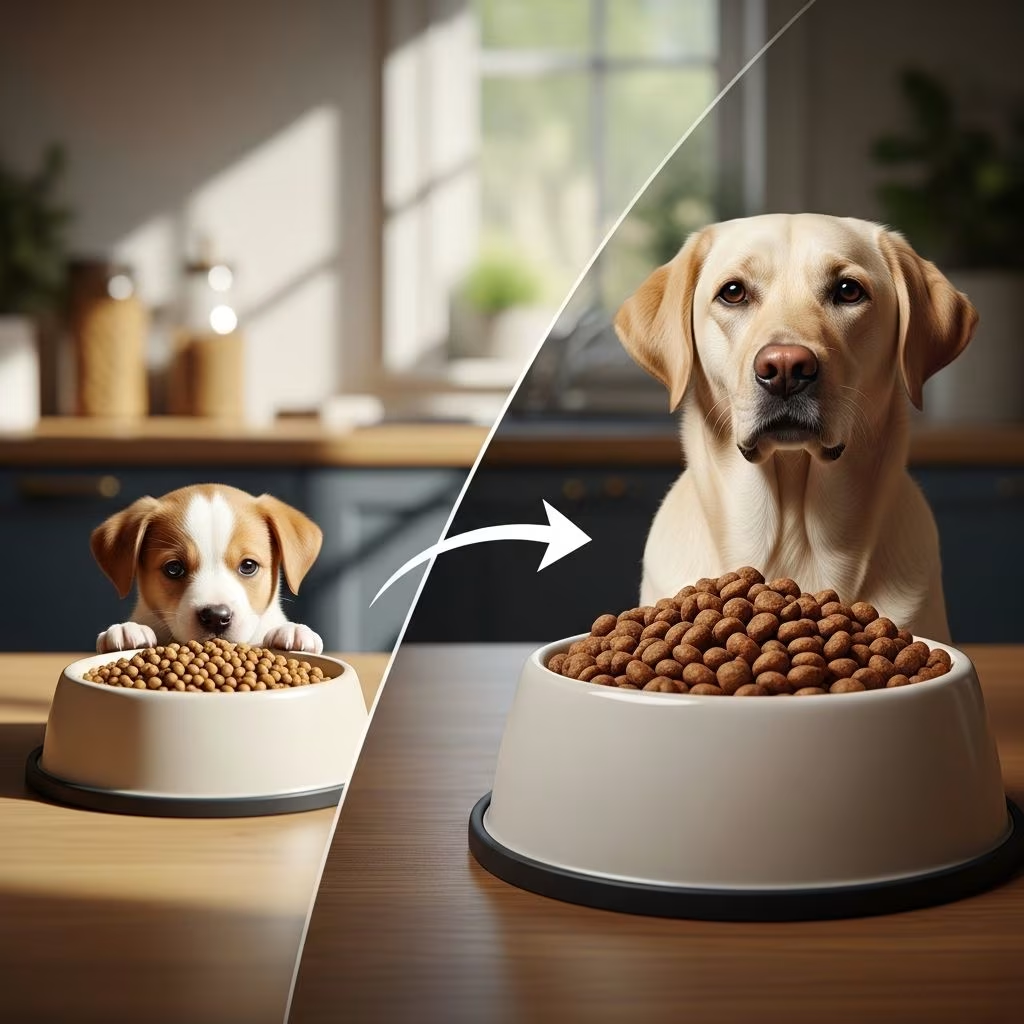
Transitioning a puppy from specialized growth formula to adult maintenance food marks a key milestone in canine development. This shift supports sustained health by aligning nutrition with the dog’s maturing needs, preventing issues like obesity or nutrient imbalances.
Understanding Puppy Nutritional Stages
Puppies require diets higher in protein, fats, and specific minerals like calcium and phosphorus to fuel rapid growth, bone development, and organ maturation. These formulas provide about 25-30% more calories than adult versions to match their energy demands.
Once growth slows and the puppy reaches roughly 80-90% of its expected adult weight, the body no longer needs excess calories. Continuing puppy food beyond this point risks weight gain and related conditions such as joint strain or diabetes.
Factors Determining the Switch Timeline
The right moment varies by several elements beyond just age. Breed size plays the largest role, as larger dogs grow longer. Individual health status, activity level, and spay/neuter procedures also influence readiness.
- Breed Size Impact: Smaller dogs mature quicker, allowing earlier transitions.
- Activity and Health: Highly active puppies or those recovering from illness may need prolonged growth support.
- Veterinary Input: Regular check-ups track weight plateaus signaling maturity.
Transition Ages by Breed Size
Dogs are categorized by expected adult weight: toy/small (under 20-25 lbs), medium (25-50 lbs), large/giant (over 50 lbs). Here’s a breakdown:
| Breed Size | Adult Weight Range | Maturity Age | Switch to Adult Food |
|---|---|---|---|
| Toy/Small | <20-25 lbs | 9-10 months | 9-12 months |
| Medium | 25-50 lbs | 12 months | 12-14 months |
| Large/Giant | >50 lbs | 15-24 months | 14-24 months |
For example, a Chihuahua might switch at 8-10 months, while a Great Dane could need puppy food up to 2 years. Monitor growth charts provided by your vet to confirm.
Risks of Poor Timing
Switching too soon deprives puppies of vital nutrients, potentially stunting skeletal development or increasing risks for orthopedic diseases like hip dysplasia in large breeds. Delaying too long leads to excessive calorie intake, promoting obesity that burdens joints and heart.
Balanced timing ensures puppies achieve peak size without overgrowth. Vets often recommend X-rays for large breeds to verify bone plate closure before changing diets.
Selecting the Best Adult Formula
Choose adult food tailored to your dog’s profile. Young adults (1-4 years) benefit from formulas supporting lean muscle, dental health, and activity-specific needs like glucosamine for joints in large breeds.
- Prioritize complete and balanced recipes meeting AAFCO standards.
- Match to lifestyle: high-protein for active dogs, lower-calorie for couch potatoes.
- Consider allergies or sensitivities revealed during puppyhood.
Opt for quality ingredients without fillers, ensuring proper fat-to-protein ratios for maintenance.
Step-by-Step Transition Plan
Abrupt changes cause digestive woes like diarrhea or vomiting. Implement a 7-10 day gradual mix to allow gut bacteria adaptation.
Sample 10-Day Schedule:
| Days | Puppy Food % | Adult Food % | Notes |
|---|---|---|---|
| 1-2 | 75% | 25% | Introduce slowly; watch stool |
| 3-4 | 50% | 50% | Equal mix for adjustment |
| 5-7 | 25% | 75% | Increase adult portion |
| 8-10 | 0% | 100% | Full switch if no issues |
Maintain the same feeding schedule and bowl location for routine stability. Measure portions accurately to avoid overfeeding during transition.
Observing Your Puppy During Changeover
Track these indicators daily:
- Stool Quality: Firm and consistent signals success; soft or frequent means slow down.
- Energy and Appetite: Steady levels are ideal; refusal or lethargy warrants pause.
- Weight Stability: No sudden gain or loss post-switch.
If problems persist beyond 2 days, revert to previous ratio and consult a vet. Some dogs need 14 days for sensitive stomachs.
Post-Transition Nutrition Essentials
Adult food focuses on maintenance: controlled calories, balanced minerals, and antioxidants for immunity. Large breeds benefit from joint supplements like chondroitin; all need dental-supporting kibble.
Adjust portions based on age, exercise, and neuter status. Feed 2 meals daily, avoiding free-feeding to prevent obesity.
Common Mistakes to Avoid
Pet owners often err by rushing the process or ignoring breed specifics. Other pitfalls include:
- Not consulting vets for personalized timelines.
- Overlooking treats/calories in total intake.
- Switching brands mid-transition without testing.
Proactive planning yields healthier outcomes.
Frequently Asked Questions
Can I switch faster than 7 days?
No—rapid changes risk GI upset. Stick to gradual plans unless vet-advised otherwise.
What if my mixed-breed puppy’s size is unclear?
Use estimated adult weight from vet assessments and growth curves.
Does spaying/neutering affect timing?
Yes, it can slow metabolism, so monitor weight closely around switch time.
Is puppy food ever better long-term?
Rarely; it often leads to obesity. Exceptions for working dogs need vet oversight.
How do I know my puppy has reached maturity?
Weight stabilizes, growth plates close (via X-ray), and energy shifts to maintenance.
Long-Term Health Benefits of Proper Switching
Correct transitions set the foundation for lifespan health. Dogs on age-appropriate diets show lower obesity rates, better joint function, and improved vitality into senior years. Regular vet partnerships ensure ongoing adjustments as needs evolve.
By respecting growth phases, owners foster robust adults ready for active lives.
References
- Transitioning from Puppy to Adult Dog Food: A Smooth and Healthy Shift — Hilltop Animal Hospital. 2023. https://hilltopahep.com/transitioning-from-puppy-to-adult-dog-food-a-smooth-and-healthy-shift/
- How Long to Feed Puppy Food & Switching to Adult Dog Food — Purina. 2026-01-28. https://www.purina.com/articles/dog/puppy/feeding/how-long-to-feed-puppy-food
- When Should You Switch From Puppy to Adult Dog Food? — PetMD. 2024. https://www.petmd.com/dog/nutrition/when-should-you-switch-puppy-adult-dog-food
- When to Switch Puppy to Adult Food — Nature’s Recipe. 2023. https://www.naturesrecipe.com/blog/when-to-switch-puppy-to-adult-food/
- Transitioning Your Dog To Adult Food — Nutrena World. 2024. https://nutrenaworld.com/blog/dogs-cats/transitioning-your-dog-to-adult-food/
- When should you switch from puppy to adult dog food? — Royal Canin. 2024. https://www.royalcanin.com/uk/dogs/health-and-wellbeing/when-to-switch-your-puppy-to-an-adult-diet
- Tips and Timelines for Transitioning Your Pet to a New Food — AAHA. 2023. https://www.aaha.org/wp-content/uploads/globalassets/05-pet-health-resources/nutritionalresources/petparent/aaha-tips-and-timelines.pdf



