

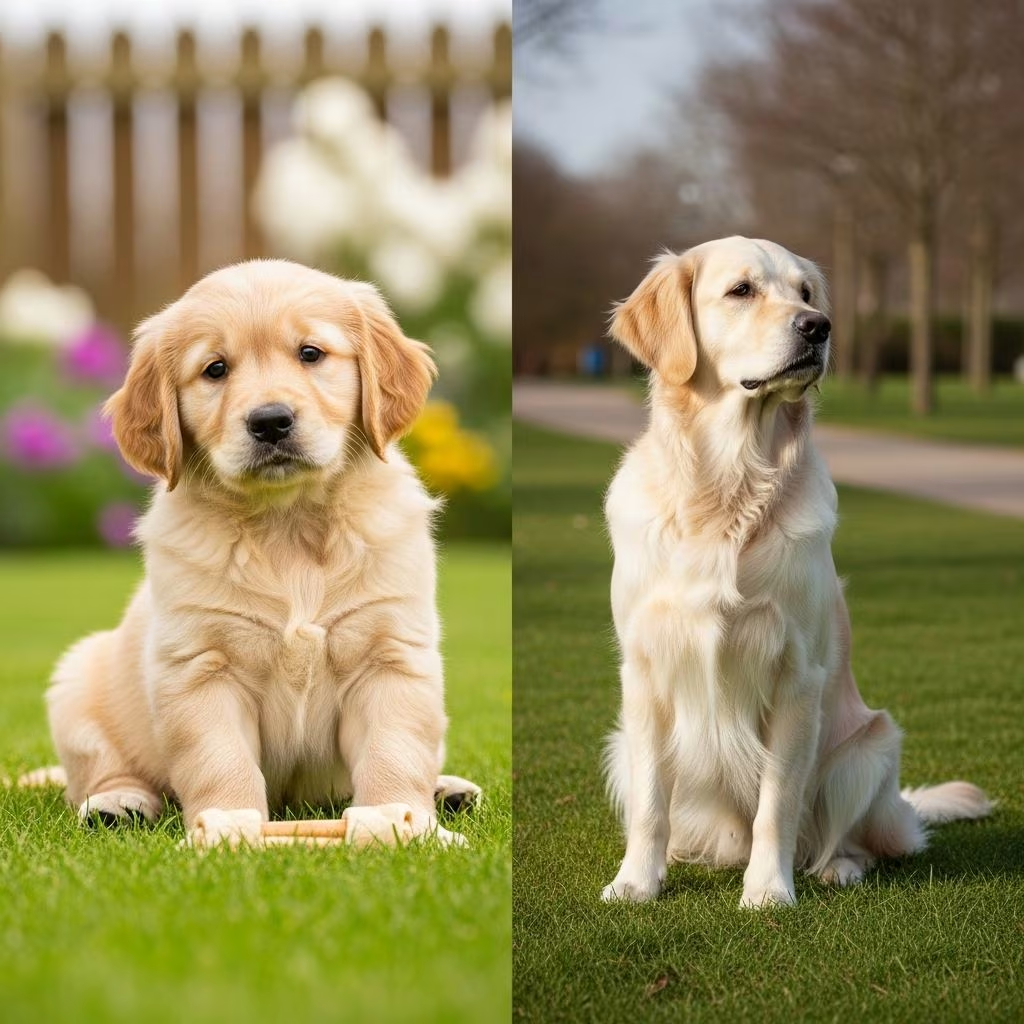
Puppies transform into adult dogs through distinct developmental phases influenced by breed size, genetics, and environment, typically reaching full maturity between 9 months and 2 years.
Early Life Foundations: Birth to Transitional Phase
The initial weeks set the stage for a puppy’s lifelong health and behavior. Newborns, in the neonatal phase from birth to about 2 weeks, rely entirely on their mother for warmth, nutrition via milk, and protection. Their senses are underdeveloped; eyes remain closed, and movement is limited to crawling.
By 2-4 weeks, the transitional phase begins. Puppies open their eyes and ears, start walking unsteadily, and emit initial barks or growls during play with littermates. This period marks the shift from total dependence, with mothers weaning them onto soft solid foods as interest in eating from bowls emerges. Introducing gentle handling during this time fosters trust in humans.
Critical Socialization Window: 3-14 Weeks
From 3 to 14 weeks, puppies enter the socialization stage, a vital period for learning about the world. They develop coordination, fully engage their senses, and form bonds with humans, other dogs, and environments. Exposure to various sounds, surfaces, people, and animals helps prevent future fearfulness.
- Begin vaccinations and deworming around 6-8 weeks.
- Start housetraining and basic obedience at 7-8 weeks.
- Avoid overwhelming stimuli to prevent stress.
This phase shapes personality; positive experiences build confident adults. Fear periods may occur around 8-16 weeks, where puppies seem suddenly wary—consistent gentle reinforcement counters this.
Juvenile Growth Spurt: 3-6 Months
Puppies now enter juvenility, experiencing rapid physical changes. Puppy teeth give way to adult dentition by 6-7 months. Height and muscle begin significant increases, especially in larger breeds. Energy levels peak, demanding ample play, short training sessions, and balanced nutrition.
Behaviorally, they test limits, much like human toddlers. Adult dogs in the household may correct them through growls or positioning. Owners should reinforce rules patiently to establish boundaries.
Adolescent Challenges: 6-18 Months
Adolescence mirrors teenage years, from 6 months to 2 years, with hormonal surges driving changes. Sexual maturity hits around 5-12 months: males descend testicles by 6 months and may lift legs to urinate; females experience first heat cycles, potentially later in large breeds.
Expect boundary-pushing: increased independence, selective listening, urine marking, roaming urges, and mood swings. Energy bursts alternate with rest needs. Smaller breeds mature faster emotionally, while giants lag.
| Breed Size | Physical Maturity | Emotional Maturity | Key Signs |
|---|---|---|---|
| Extra Small (e.g., Chihuahua) | 8-10 months | 9-12 months | Full weight, calm demeanor |
| Small/Medium (e.g., Beagle) | 10-14 months | 12-15 months | Adult coat, routine attachment |
| Large (e.g., Labrador) | 14-18 months | 15-18 months | Stabilized energy, muscle fill-out |
| Giant (e.g., Great Dane) | 18-24 months | 18-24 months | Slow skeletal growth completion |
This table summarizes timelines; large breeds gain 70-100 times birth weight, focusing on muscle post-skeleton.
Physical Maturity Milestones
Physical adulthood varies: small dogs halt growth by 9-12 months, giants by 24 months. Markers include ceased height increase, stable weight, full adult coat, and complete dentition. Between 6-9 months, most height accrues, followed by muscle development.
Monitor growth charts per breed; overfeeding risks joint issues in fast-growers. Veterinary check-ups confirm healthy progression.
Behavioral Shifts to Adulthood
Emotional maturity solidifies between 12-18 months for most, up to 24 for giants. Puppies settle into permanent temperament: less nipping/chewing, defined family role, consistent responses to commands. Yet, high energy may persist years in active breeds.
Common changes: leg-lifting urination, distinct moods, routine preference, reduced fear. Adolescence may bring temporary stubbornness—ongoing training and exercise mitigate this.
Nutrition Transitions for Maturing Dogs
Switch from puppy to adult food when growth slows: small breeds at 10-12 months, giants at 14-24. Signs: plateaued weight, adult teeth. Puppy formulas support rapid growth; adult ones maintain condition. Gradual 7-10 day transitions prevent digestive upset. Consult vets for breed-specific advice.
Health and Training Essentials During Transition
Spay/neuter discussions arise at sexual maturity (6+ months); weigh pros/cons with vets. Continue vaccines, parasite control, dental checks. Daily exercise (walks, play) channels energy; mental stimulation via puzzles/toys prevents boredom.
Socialize ongoing: puppy classes, dog park visits. Positive reinforcement training refines obedience, curbs adolescence regressions.
Common Myths About Puppy Adulthood
- Myth: All puppies mature at 1 year. Fact: Giants need 2 years.
- Myth: Behavioral issues end at physical maturity. Fact: Emotional growth follows.
- Myth: Skip training post-juvenile. Fact: Adolescence demands consistency.
Frequently Asked Questions
How long until my puppy stops growing?
Small breeds: 9-12 months; large/giant: 18-24 months. Track via vet weigh-ins.
When does a puppy become calmer?
Emotional maturity at 12-18 months, though playfulness lingers.
Best age to switch food?
Match maturity: 10-12 months small, 12-24 large. Look for growth stall.
Do all puppies go through a rebellious phase?
Yes, 6-18 months, with independence tests. Training helps.
Is 2 years the universal adult mark?
Nearly; most settle by then, but giants mature slower.
Supporting Your Dog’s Full Maturity
Patience, routine, and proactive care turn puppies into well-adjusted adults. Regular vet visits track development; tailored exercise/nutrition optimizes health. Celebrate milestones—your companion’s journey yields a loyal friend for years.
(Word count: 1687)
References
- Puppy Timeline: Part 1 — Texas A&M School of Veterinary Medicine & Biomedical Sciences (VMBS News). 2023-10-12. https://vetmed.tamu.edu/news/pet-talk/puppy-timeline-part-1/
- Puppy development stages & behavior into adulthood — Eukanuba. 2024-05-15. https://www.eukanuba.com/nz/articles/puppy-development-stages-and-behaviour-into-adulthood
- A Puppy Growth Timeline: Transitions in Puppyhood — American Kennel Club (AKC). 2023-08-20. https://www.akc.org/expert-advice/puppy-information/puppy-growth-timeline-transitions-puppyhood/
- The Journey of a Lifetime: Understanding Your Dog’s Life Stages — American Animal Hospital Association (AAHA). 2024-02-10. https://www.aaha.org/resources/the-jour-of-a-lifetime-understanding-your-dogs-life-stages/
- Puppy Timeline: Growth Stages to Becoming a Dog — Hill’s Pet Nutrition. 2024-01-05. https://www.hillspet.com/dog-care/new-pet-parent/puppy-growth-timeline
- Puppy development from birth to adulthood — Royal Canin. 2023-11-18. https://www.royalcanin.com/us/dogs/puppy/puppy-development-from-birth-to-adulthood



