

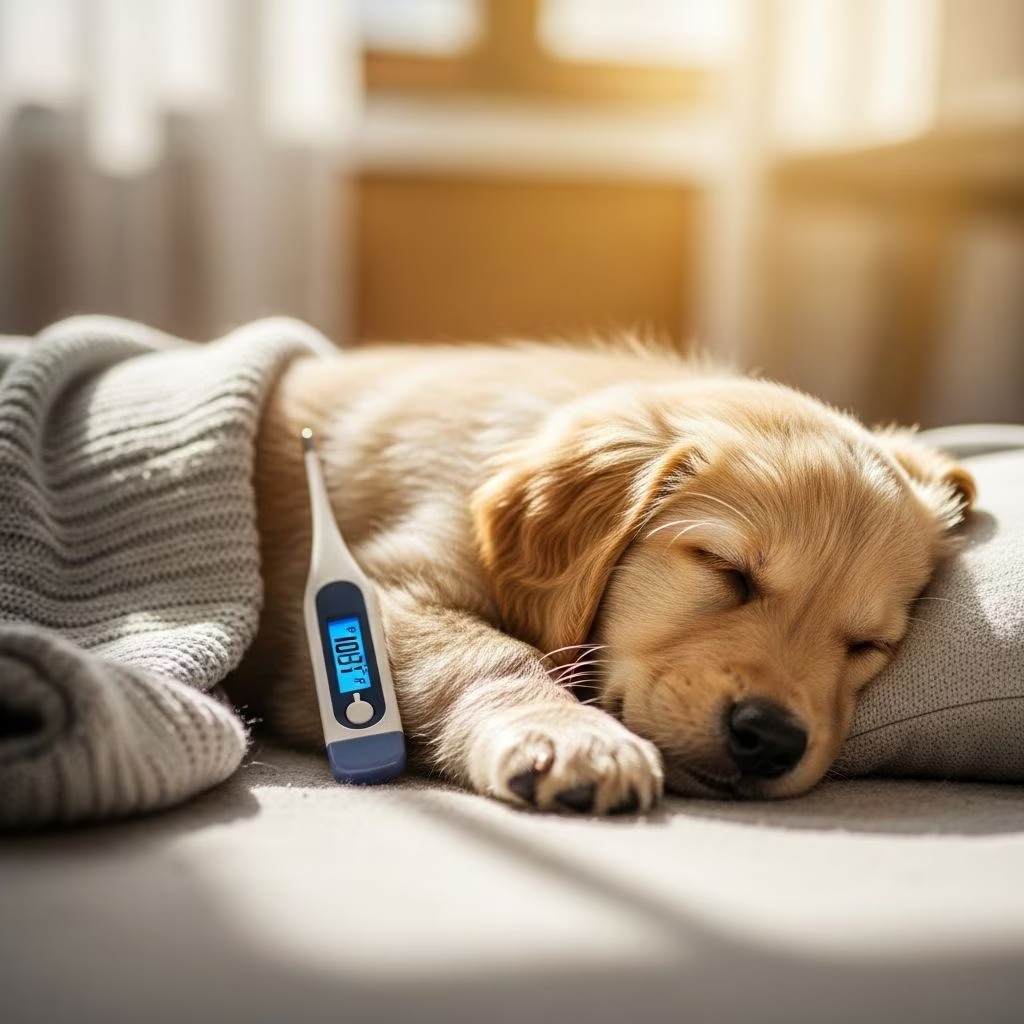
Puppies experience distinct body temperature patterns that evolve rapidly in their first weeks of life. Understanding these norms helps owners spot potential health issues early, ensuring timely intervention.
Why Puppy Temperature Matters More Than You Think
Newborn puppies cannot regulate their body heat effectively due to immature thermoregulation systems. This vulnerability makes consistent monitoring vital, as deviations can signal infections, environmental stress, or other concerns. Adult dogs maintain steadier temperatures, but puppies’ ranges shift dramatically from birth to adolescence.
Maintaining the right ambient conditions supports natural development. Factors like breed size, activity, and time of day influence readings, with smaller breeds often running warmer.
Normal Temperature Ranges by Puppy Age
Puppy temperatures start low at birth and gradually align with adult norms around four weeks. Here’s a breakdown:
| Age Range | Normal Body Temperature (°F / °C) | Ideal Room Temperature (°F / °C) |
|---|---|---|
| Birth to 1-2 weeks | 95-99°F (35-37.2°C) | 85-90°F (29.4-32.2°C) |
| 2-4 weeks | 97-100°F (36.1-37.8°C) | 79-84°F (26.1-28.9°C) |
| 4-8 weeks | 98-101°F (36.7-38.3°C) | 73-79°F (22.8-26.1°C) |
| 8+ weeks (approaching adult) | 99.5-102.5°F (37.5-39.2°C) | 70-75°F (21.1-23.9°C) |
These figures draw from veterinary observations; humidity levels of 55-60% also aid stability. Orphaned puppies require warmer setups, starting at 95°F for week one, decreasing gradually.
Rectal Measurement: The Gold Standard Technique
The most reliable method involves a digital rectal thermometer lubricated with petroleum jelly or water-based gel. Gently insert 1 inch into relaxed puppies, holding steady until it beeps (about 10-30 seconds). Clean thoroughly afterward.
- Calm your puppy first to avoid stress-induced spikes.
- Use a pet-specific thermometer to prevent breakage risks.
- Record baseline readings weekly for comparison.
Avoid oral or ear methods in young puppies, as they yield inaccurate results due to small size and wiggly nature.
Spotting Fever: When Temperatures Climb Too High
A fever in puppies exceeds 102.5-103°F (39.2-39.4°C), often from infections, vaccinations, or teething. Hyperthermia above 104°F (40°C) demands immediate vet care, potentially escalating to life-threatening levels at 106°F (41.1°C).
Common signs include:
- Lethargy or weakness
- Shivering despite warmth
- Loss of appetite
- Red gums or rapid breathing
- Vomiting or diarrhea
Cool mildly elevated pups with damp cloths and fans, but never ice baths. Recheck after 30 minutes; persistent highs require professional evaluation.
Hypothermia Risks in Young Puppies
Temperatures below 99°F (37.2°C) indicate hypothermia, common in neonates exposed to cold. Mild cases (90-99°F) cause trembling; severe drops under 82°F (28°C) can be fatal without rapid warming.
Prevention tips:
- Use heat lamps or pads set low to mimic motherly warmth.
- Group littermates for shared body heat.
- Monitor drafts and bedding insulation.
Warm hypothermic puppies gradually with skin-to-skin contact or warm (not hot) water bottles wrapped in towels.
Environmental Factors Shaping Puppy Comfort
Room conditions directly impact body temperature. Newborns thrive in 85-90°F with moderate humidity, transitioning to standard home temps by eight weeks.
Brachycephalic breeds (e.g., Pugs, Bulldogs) overheat faster due to airway restrictions, necessitating extra vigilance during play or warm days.
A table of progressive adjustments:
| Week | Target Room Temp (°F) | Humidity (%) |
|---|---|---|
| 1 | 95 | 55-60 |
| 2 | 88 | 55-60 |
| 3 | 82 | 55-60 |
| 4+ | 73 | 50-55 |
Invest in reliable thermometers and hygrometers for precision.
Breed and Size Influences on Temperature
Toy breeds maintain slightly higher averages due to rapid metabolisms, while giants may skew cooler. Activity spikes temps temporarily—post-exercise readings up to 103°F can normalize quickly.
Pregnant dams drop 1-2°F pre-labor, a cue for owners to prepare whelping areas.
Daily Monitoring Routines for New Owners
Establish habits like morning checks and post-activity reads. Track in a journal noting time, temp, behavior, and environment. Apps or charts simplify pattern spotting.
Consult vets for baselines, especially with chronic conditions or breeds prone to thermal issues.
Common Myths About Puppy Heat
Myth: Puppies always feel hot to touch. Reality: Their natural warmth differs from humans (98.6°F baseline).
Myth: Warm ears signal fever. Reality: External temps mislead; rectal is essential.
FAQs: Puppy Temperature Essentials
What’s the fastest way to cool a feverish puppy?
Apply cool (not cold) wet cloths to paws, ears, and groin; offer ice chips sparingly. Vet if no improvement in 30 minutes.
Can I use a human thermometer?
Digital pet versions are safer and faster; flex tips prevent injury.
When does puppy temp match adults?
Around 4-12 weeks, stabilizing at 99.5-102.5°F.
Is panting always overheating?
No, it’s primary cooling; excessive with bright red gums signals distress.
How often should I check temp?
Daily for newborns; weekly for older pups unless symptomatic.
Long-Term Health Ties to Temperature Awareness
Consistent monitoring fosters deeper bonds and proactive care. Early detection prevents complications, promoting robust growth into adulthood. Pair with vaccinations, nutrition, and exercise for holistic wellness.
Expand knowledge via vet partnerships and reputable resources.
References
- Understanding Dog’s Normal Body Temperature — Petcube. 2023. https://petcube.com/blog/dog-normal-body-temperature/
- Normal Dog Temperature: When to Worry About Your Pet’s Health — Halo Collar. 2023. https://www.halocollar.com/blog/dog-health/normal-dog-temperature/
- What is a Normal Temperature for Dogs? — Heart + Paw. 2024. https://heartandpaw.com/pet-parent-resources/dog-temperature
- Taking Your Pet’s Temperature — VCA Animal Hospitals. 2024. https://vcahospitals.com/know-your-pet/taking-your-pets-temperature
- Kitten and Puppy Temperature Chart — Maddie’s Fund. 2023. https://www.maddiesfund.org/assets/documents/Institute/Kitten%20and%20Puppy%20Temperature%20Chart.pdf
- How to Take a Dog’s Temperature — PetMD. 2024. https://www.petmd.com/dog/general-health/how-to-take-dogs-temperature



