

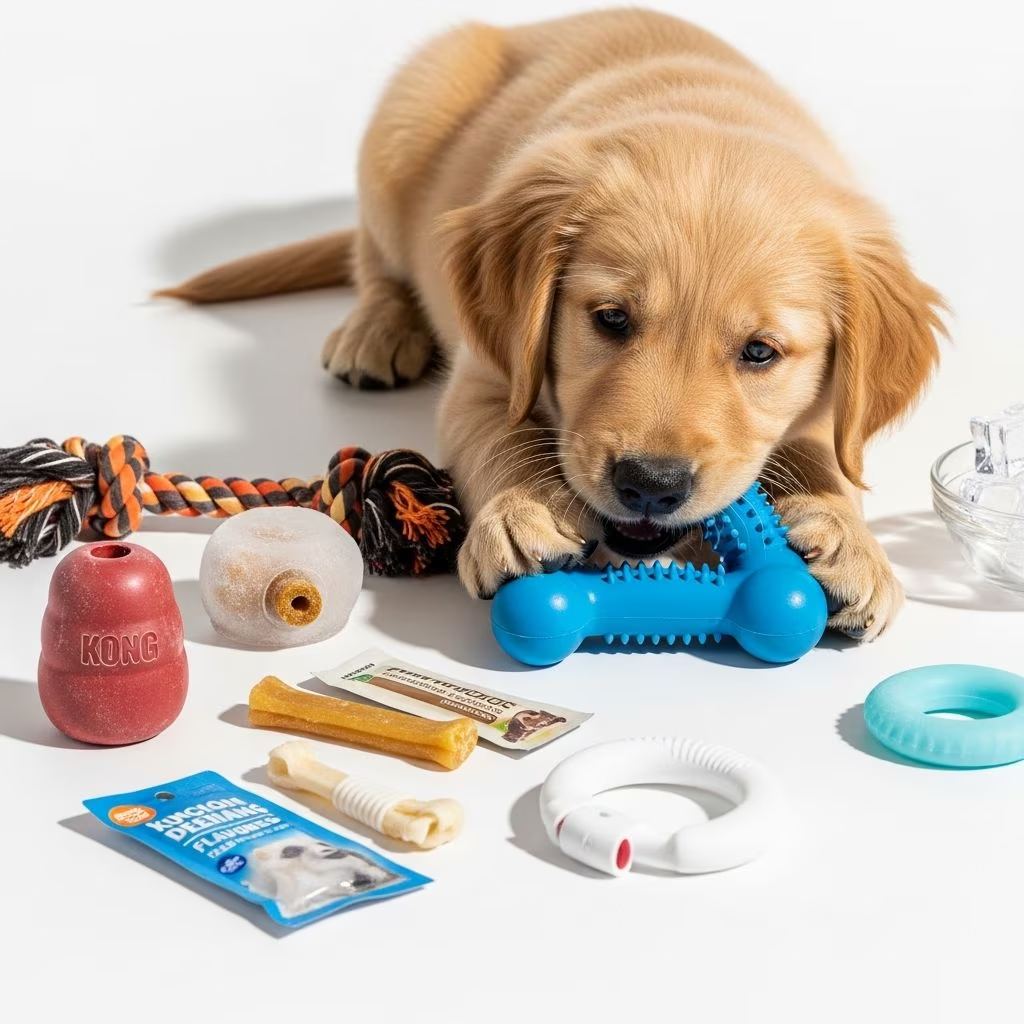
Puppies experience a natural teething process that transforms their tiny milk teeth into a full set of 42 adult teeth, typically spanning from birth to around seven months. This phase brings discomfort, increased chewing, and behavioral changes, but understanding it equips owners to provide relief and prevent issues.
Understanding the Biology of Puppy Teeth Development
Dogs are born without teeth, relying on mother’s milk for nutrition in the first weeks. Deciduous or milk teeth emerge early to aid weaning, numbering 28 in total—12 incisors, 4 canines, and 12 premolars. These sharp teeth support initial solid food intake but loosen as permanent teeth push through, leading to shedding around 12-16 weeks.
Adult dentition includes 42 teeth: 12 incisors, 4 canines, 16 premolars, and 10 molars, designed for tearing, grinding, and chewing tougher foods. Larger breeds may teethe slower due to bigger jaws, while small breeds finish earlier.
Complete Timeline of Puppy Teething Stages
Teething unfolds in distinct phases, allowing owners to anticipate changes. Here’s a detailed breakdown:
| Age Range | Key Developments | Owner Observations |
|---|---|---|
| Birth to 2 weeks | No teeth present | Puppies nurse exclusively; gums soft and toothless. |
| 2-4 weeks | Incisors (front teeth) erupt first | Eyes open; light nibbling begins while with breeder. |
| 5-8 weeks | Full 28 baby teeth in place (canines and premolars) | Weaning starts; sharp nips during play. |
| 12-16 weeks | Baby teeth shed; adult incisors and canines emerge | Intense chewing; loose teeth found or swallowed. |
| 16-24 weeks | Premolars and molars push in | Peak discomfort; drooling and pawing at mouth. |
| 6-7 months | Full adult set complete | Chewing eases; schedule vet dental exam. |
This timeline varies slightly by breed and individual health, with most completing by 7 months.
Recognizing Signs Your Puppy Is Teething
Teething discomfort mimics human baby experiences but with canine intensity. Common indicators include:
- Excessive drooling: Gums produce more saliva to soothe irritation.
- Chewing frenzy: Puppies target furniture, hands, or toys to relieve pressure.
- Bleeding gums: Mild blood from erupting teeth is normal but monitor for excess.
- Behavioral shifts: Whining, restlessness, or reduced appetite temporarily.
Loose teeth: Small white teeth drop out, often unnoticed as puppies swallow them.
These signs peak between 12-24 weeks, coinciding with many adoptions, catching new owners off-guard.
Safe Strategies to Ease Teething Pain
Providing relief redirects destructive chewing and comforts sore gums without harm. Effective methods include:
- Frozen relief items: Wet washcloths, ropes, or puppy-specific Kongs frozen for 20-30 minutes numb pain.
- Textured chew toys: Rubber toys like Nylabones massage gums; avoid hard items risking fractures.
- Cold treats: Ice cubes (supervised), frozen carrots, or vet-approved teething gels.
- Distraction training: Use puzzle toys with kibble to engage mentally during discomfort.
Rotate toys to maintain interest and inspect regularly for wear. Never give cooked bones, rawhide, or human plastics.
Training Puppies to Chew Appropriately
Teething amplifies mouthing instincts, but consistent training curbs bad habits. Key techniques:
- Redirect immediately: Offer acceptable toy when inappropriate chewing occurs, praising calm use.
- Bitter sprays: Apply to furniture; safe, aversive taste deters without punishment.
- Time-outs: Briefly isolate for hard bites, teaching bite inhibition.
- Positive reinforcement: Reward gentle play to build lifelong manners.
Enroll in puppy classes around 12 weeks to socialize amid teething energy.
Health Concerns and When to Call the Vet
Most teething resolves naturally, but watch for complications:
- Retained baby teeth: Persistent deciduous teeth post-adult eruption cause crowding, infections.
- Excessive bleeding or swelling: Signals injury or abscess.
- Broken teeth: Fractures from unsafe chews need prompt extraction.
- Bad breath or tartar early: Precursor to periodontal disease.
Schedule a 6-month vet visit for mouth inspection; extractions may be needed under anesthesia for retained teeth, common in small breeds like Chihuahuas.
Long-Term Dental Wellness for Your Dog
Post-teething, daily habits prevent issues affecting 80% of dogs by age three. Implement:
- Brushing routine: Use enzymatic dog toothpaste 3x weekly with finger brush.
- Dental diets and chews: VOHC-approved products reduce plaque.
- Annual cleanings: Professional prophylaxis scales tartar buildup.
- Water additives: Antimicrobial formulas freshen breath.
Breed predispositions (e.g., brachycephalics) warrant extra vigilance.
Teething Myths Debunked
Misconceptions complicate care:
- Myth: Teething lasts only 2 months. Reality: Up to 7 months total.
- Myth: All puppies lose teeth visibly. Most swallow them unnoticed.
- Myth: Rawhide soothes safely. Choking hazard; choose digestible alternatives.
Rely on vet guidance over online anecdotes.
Frequently Asked Questions (FAQs)
What age does puppy teething start at home?
Typically 12-16 weeks, when puppies join families, though baby teeth form earlier.
Is puppy chewing normal during teething?
Yes, it’s instinctual relief; provide outlets to protect belongings.
Do puppies need soft food during teething?
Not necessarily; kibble aids cleaning, but soften if appetite drops.
How many teeth does an adult dog have?
42 permanent teeth replace 28 baby ones.
Can teething cause fever?
No, puppies don’t spike fevers; lethargy warrants vet check.
Armed with this knowledge, navigate puppy teething confidently for a smooth transition to adulthood.
References
- Puppy Teething Timeline: Stages, Signs & How to Help Your Pup — Pet Direct. 2023. https://petdirect.co.nz/blog/puppy-teething-timeline-stages-and-tips
- Puppy Teething, Chewing & Nipping: The Complete Guide — Green Cross Vets. 2024. https://www.greencrossvets.com.au/services/puppy-teething/
- Puppy Teething: Everything You Need to Know — Lane Veterinary. 2023. https://lanevet.com/blog/puppy-teething/
- Puppy teething: a guide to the teething process — Vetster. 2024. https://vetster.com/en/wellness/puppy-teething-a-guide-to-the-teething-process
- Puppy teething: A survival guide & chart — ManyPets. 2023. https://manypets.com/uk/articles/puppy-teething/
- Puppy Teething: Everything You Need to Know — Purina US. 2024. https://www.purina.com/articles/dog/puppy/health/puppy-teething
- A Timeline of Puppy Teething — American Kennel Club. 2024-02-28. https://www.akc.org/expert-advice/puppy-information/timeline-of-puppy-teething/



