Puppy Tear Stains: Causes, Prevention, and Treatment
Complete guide to understanding and managing tear stains in puppies with proven prevention strategies.
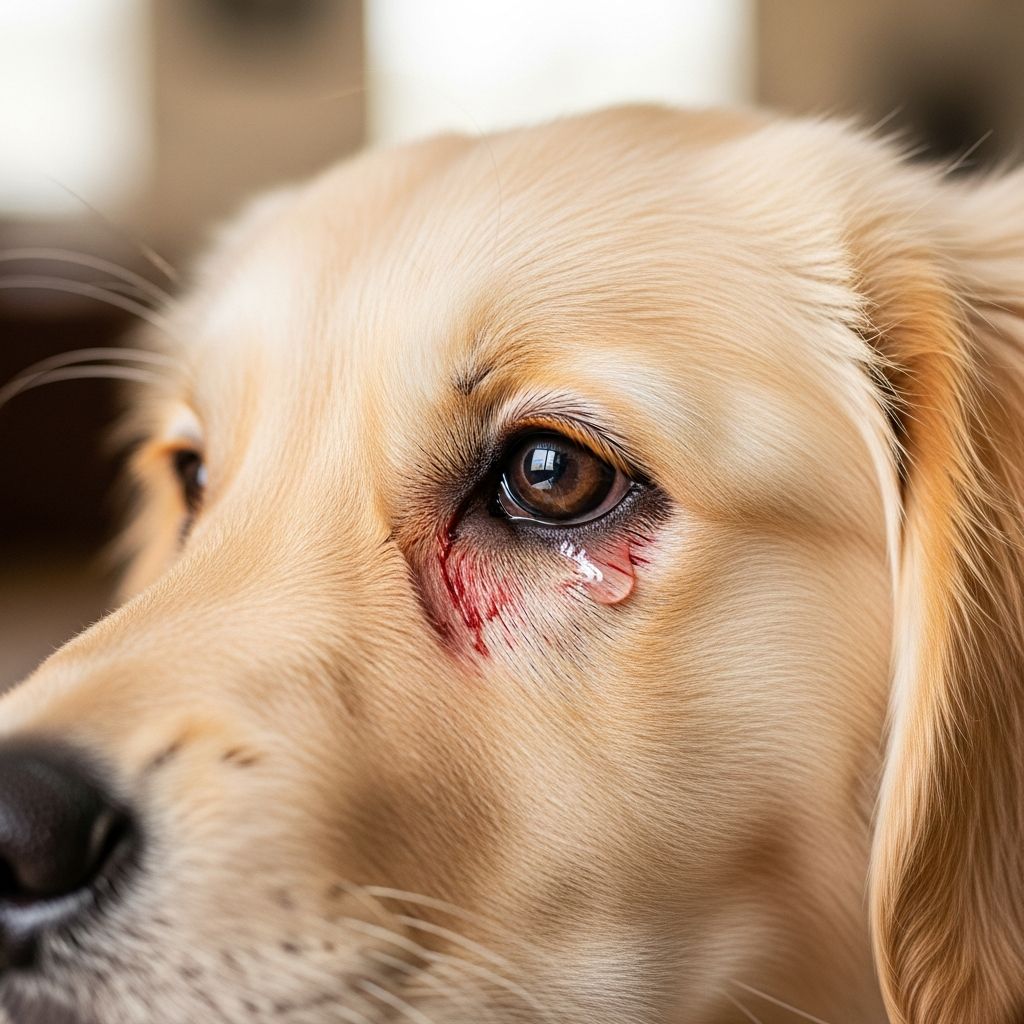
Understanding Puppy Tear Stains
Tear stains are a common concern for puppy owners, particularly those with light-colored coats. These reddish-brown or rust-colored marks that appear below a puppy’s eyes are caused by a chemical compound called porphyrin, which is naturally present in tears, saliva, urine, and other bodily secretions. Porphyrin is an iron-containing molecule that oxidizes when exposed to air, creating the distinctive discoloration on the fur around the eyes and mouth.
While tear stains are often considered a cosmetic issue, they can indicate underlying health problems that require veterinary attention. Understanding the causes of tear stains in puppies is the first step toward effective prevention and treatment. Many new puppy owners assume that excessive tearing is normal, but in many cases, addressing the root cause can significantly reduce or eliminate tear stains altogether.
Common Causes of Puppy Tear Stains
Tear stains in puppies can result from various medical, dietary, and environmental factors. Identifying the underlying cause is essential for effective treatment. Here are the primary causes to consider:
Medical Conditions
Several medical conditions can lead to excessive tearing and subsequent staining in puppies:
– Ingrown eyelashes or abnormal eyelash growth- Entropion (inward-folding eyelids)- Abnormally small or narrow tear duct openings- Abnormalities in tear-producing glands- Blocked or infected tear ducts- Eye infections or conjunctivitis- Glaucoma- Foreign objects in the eye- Dry eye syndrome- Allergies (environmental or food-related)
Developmental Factors in Young Puppies
Teething is particularly common in young puppies and can cause increased tear production. During the teething phase, puppies experience discomfort and inflammation in their mouth and surrounding areas, which can trigger excessive tearing. This is typically a temporary condition that resolves once the puppy’s adult teeth have fully emerged.
Dietary Influences
Nutrition plays a significant role in puppy tear production. Poor-quality dog food, food allergens, and nutritional imbalances can all contribute to excessive tearing. Common food allergens in puppies include chicken, beef, dairy products, eggs, soy, lamb, and wheat. Additionally, the quality of drinking water matters—tap water high in minerals can exacerbate tear staining, whereas filtered or spring water may help reduce it.
Environmental and Behavioral Factors
Several lifestyle factors can increase tear production in puppies:
– Stress and anxiety- Exposure to smoke or harsh chemical cleaners- Dust and other environmental irritants- Certain medications- Bacterial contamination from plastic food bowls- Ear infections
Breed Predisposition to Tear Stains
While any puppy can develop tear stains, certain breeds are more susceptible due to their facial structure and anatomy. Brachycephalic breeds (those with flat, pushed-in faces) such as Pugs, Bulldogs, and Pekingese are particularly prone to tear staining because of how their tear ducts drain and how tears accumulate on their faces. Other breeds commonly affected include Maltese, Cocker Spaniels, Poodles, and various poodle mixes. For these breeds, tear staining may be an inherited trait that requires ongoing management rather than complete elimination.
Diagnostic Steps: Working With Your Veterinarian
Before attempting any home remedies or treatments, it is crucial to consult with your veterinarian to rule out underlying medical conditions. Your veterinarian will perform a comprehensive eye examination and may conduct additional tests to identify the cause of excessive tearing. This diagnostic process is essential because treating the symptom (the stain) without addressing the underlying cause will likely be ineffective.
Your veterinarian may recommend:
– Complete eye examination with specialized equipment- Allergy testing if food sensitivities are suspected- Tear duct evaluation to check for blockages- Assessment for ingrown eyelashes or eyelid abnormalities- Evaluation of tear production levels- Investigation of dietary factors
Prevention Strategies for Puppy Tear Stains
Step 1: Maintain Meticulous Face Hygiene
The most effective prevention strategy for tear stains is consistent facial hygiene. Regular cleaning removes excess tears and the porphyrin compounds before they can stain the fur. Follow these guidelines:
– Wipe your puppy’s face with a clean, damp cloth at least twice daily- Use warm water or a gentle eye-cleaning solution containing boric acid- Pay special attention to the areas around the eyes and between skin folds- Consider using soft cotton balls or specialized eye wipes designed for dogs- Clean your puppy’s face after meals and playtime when tears are more likely to accumulate- Schedule regular professional grooming appointments (typically every 6-8 weeks)- Have the groomer trim hair closely around the eye area to prevent tear accumulation
Step 2: Switch to Non-Plastic Food and Water Bowls
Plastic food bowls develop microscopic cracks over time that harbor bacteria and can cause facial irritation and excessive tearing. Replace plastic bowls with alternatives that are safer for your puppy:
– Stainless steel bowls (durable and easy to clean)- Ceramic bowls (attractive and hygienic)- Glass bowls (non-porous and safe)- Metal bowls (excellent for both food and water)
Step 3: Optimize Your Puppy’s Diet
Veterinarians consistently recommend feeding your puppy the highest quality, balanced diet you can afford. Consider these dietary recommendations:
– Choose premium puppy food formulated for your puppy’s specific breed size and age- Avoid foods with common allergens if your puppy shows sensitivity signs- Ensure the diet contains adequate omega-3 fatty acids, which have anti-inflammatory properties- Consider adding probiotics to support gut health and immune function- Experiment with food additives such as one teaspoon of organic apple-cider vinegar or buttermilk powder added to meals- Provide filtered or spring water instead of tap water to reduce mineral intake
Step 4: Use Probiotics and Supplements
Probiotics can be beneficial for puppies prone to tear stains. These beneficial bacteria improve gut health, boost immune system function, and reduce inflammation. When gut bacteria are imbalanced, it can lead to increased inflammation and excessive tear production. Additionally, supplements containing antioxidants and omega-3 fatty acids may help reduce tear staining by supporting overall eye health and reducing systemic inflammation.
Step 5: Manage Environmental Factors
Create a clean environment that minimizes irritation to your puppy’s eyes:
– Avoid using harsh chemical-based cleaners in your home- Minimize dust exposure in your puppy’s living areas- Reduce exposure to smoke and air pollutants- Ensure adequate ventilation in your puppy’s sleeping area- Keep your puppy’s bedding clean and dust-free- Manage stress and anxiety through appropriate exercise and mental enrichment
Treatment Options for Existing Tear Stains
Over-the-Counter Products
Several products are available to help remove existing tear stains:
– Specialized tear stain removal wipes formulated for dogs- Eye cleaning solutions containing boric acid- Vetericyn ophthalmic gel (available without prescription)- Gentle enzymatic cleaners designed for facial care
Veterinary-Prescribed Treatments
In some cases, your veterinarian may recommend prescription treatments. Tylosin is an antibiotic sometimes prescribed for tear stain prevention, as it can reduce excessive porphyrin production in some dogs. However, it’s important to understand that antibiotic efficacy is unpredictable, and Tylosin has not been FDA-approved for use in small animals. Additionally, relying on antibiotics can contribute to antibiotic resistance and may negatively affect your puppy’s immune system. Other prescription options may include Lincocin, neomycin-polymyxin, or chloramphenicol eye drops for short-term use under veterinary supervision.
Surgical Options
If your puppy has structural abnormalities such as ingrown eyelashes, entropion, or narrow tear ducts, your veterinarian may recommend surgical correction. These procedures can permanently resolve tear staining caused by anatomical issues.
Special Considerations for Different Causes
Allergies and Food Sensitivities
If your puppy’s tear stains are caused by allergies, your veterinarian can conduct an allergy panel to identify the specific allergen. Once identified, you can modify your puppy’s diet or environment accordingly. This approach is often more effective than symptomatic treatment because it addresses the root cause.
Teething-Related Tear Stains
If tear stains are related to teething, they typically resolve naturally as adult teeth emerge and inflammation subsides. Continue with regular face cleaning during this period to minimize staining. You can provide appropriate teething toys to help relieve your puppy’s discomfort.
Breed-Specific Management
For breeds predisposed to tear staining, focus on consistent maintenance rather than expecting complete elimination. Brachycephalic breeds especially may require daily facial cleaning as a permanent part of their grooming routine to manage tear stains effectively.
When to Seek Veterinary Care
Contact your veterinarian if you notice:
– Sudden increase in tear production- Redness or swelling around the eyes- Discharge that is cloudy, yellow, or green (indicating infection)- Your puppy pawing at their face or showing signs of eye discomfort- Foul odor from fermented bacteria and yeast- Tear stains that don’t improve with consistent home care- Signs of pain or vision changes
Frequently Asked Questions About Puppy Tear Stains
Q: Are tear stains harmful to my puppy?
A: Tear stains themselves are not harmful, but they can indicate underlying conditions that may require treatment. In most cases, they are primarily a cosmetic concern, though the underlying causes of excessive tearing should be evaluated by a veterinarian.
Q: Can I prevent tear stains completely?
A: Prevention depends on the cause. If tear stains result from medical conditions or breed predisposition, complete prevention may not be possible, but you can significantly reduce their appearance through consistent facial cleaning and other management strategies. If they’re caused by dietary or environmental factors, addressing these issues often leads to substantial improvement or complete resolution.
Q: How often should I clean my puppy’s face?
A: Ideally, clean your puppy’s face at least twice daily with a damp cloth. For puppies with significant tear staining, more frequent cleaning may be necessary. The goal is to remove tears before porphyrin can oxidize and stain the fur.
Q: Is Tylosin safe for my puppy?
A: While some veterinarians prescribe Tylosin for tear staining, it is not FDA-approved for use in small animals. Its effectiveness is unpredictable, and it may contribute to antibiotic resistance. Discuss the risks and benefits with your veterinarian before using this treatment.
Q: What type of water should I give my puppy?
A: Filtered or spring water is preferable to tap water, as tap water can contain high mineral levels that may exacerbate tear staining. This is a simple but potentially effective change to implement.
Q: Why does my puppy have tear stains during teething?
A: Teething causes inflammation and discomfort in puppies, which can trigger increased tear production. This is a temporary condition that typically resolves once adult teeth have fully erupted. Continue with regular facial cleaning during this phase.
Q: Are certain dog breeds more prone to tear stains?
A: Yes, brachycephalic breeds with flat faces (such as Pugs, Bulldogs, and Pekingese) are more susceptible due to their facial anatomy. Maltese, Cocker Spaniels, and Poodles are also commonly affected. For these breeds, tear stain management is often a lifelong consideration.
Conclusion
Puppy tear stains are a common concern that can usually be managed effectively through a combination of proper diagnosis, consistent facial hygiene, dietary optimization, and environmental management. While tear stains are typically cosmetic in nature, they can signal underlying health issues that warrant veterinary evaluation. By implementing the prevention strategies outlined in this guide and working closely with your veterinarian, you can help keep your puppy’s eyes healthy, comfortable, and looking their best. Remember that each puppy is unique, so what works for one may not work for another—patience and persistence are key to finding the right approach for your individual puppy.
References
- A Veterinary Guide to Stubborn Tear Stains on Dogs — Point Vicente Veterinary Hospital. Accessed 2025-11-28. https://www.pointvicentevet.com/services/dogs/blog/veterinary-guide-stubborn-tear-stains-dogs
- Understanding and Cleaning Dog Tear Stains — Zoetis Petcare. Accessed 2025-11-28. https://www.zoetispetcare.com/blog/article/dog-tear-stains
- Proper Ocular Hygiene For Dogs Prone To Tear Stains — Imedanimalhealth.com. Accessed 2025-11-28. https://imedanimalhealth.com/blogs/articles/proper-ocular-hygiene-for-dogs-prone-to-tear-stains
- Dog Tear Stains: Causes, Treatment, and Prevention — PetMD. Accessed 2025-11-28. https://www.petmd.com/dog/general-health/dog-tear-stains
- Tear Stains on Dogs: Why They Happen and How to Remove Them — GoodRx Pet Health. Accessed 2025-11-28. https://www.goodrx.com/pet-health/dog/tear-staining
- Cleaning & Preventing Dog Tear Stains — American Kennel Club. Accessed 2025-11-28. https://www.akc.org/expert-advice/health/tear-stains-prevent-and-clean/
Similar Articles





Read full bio of Sneha Tete