

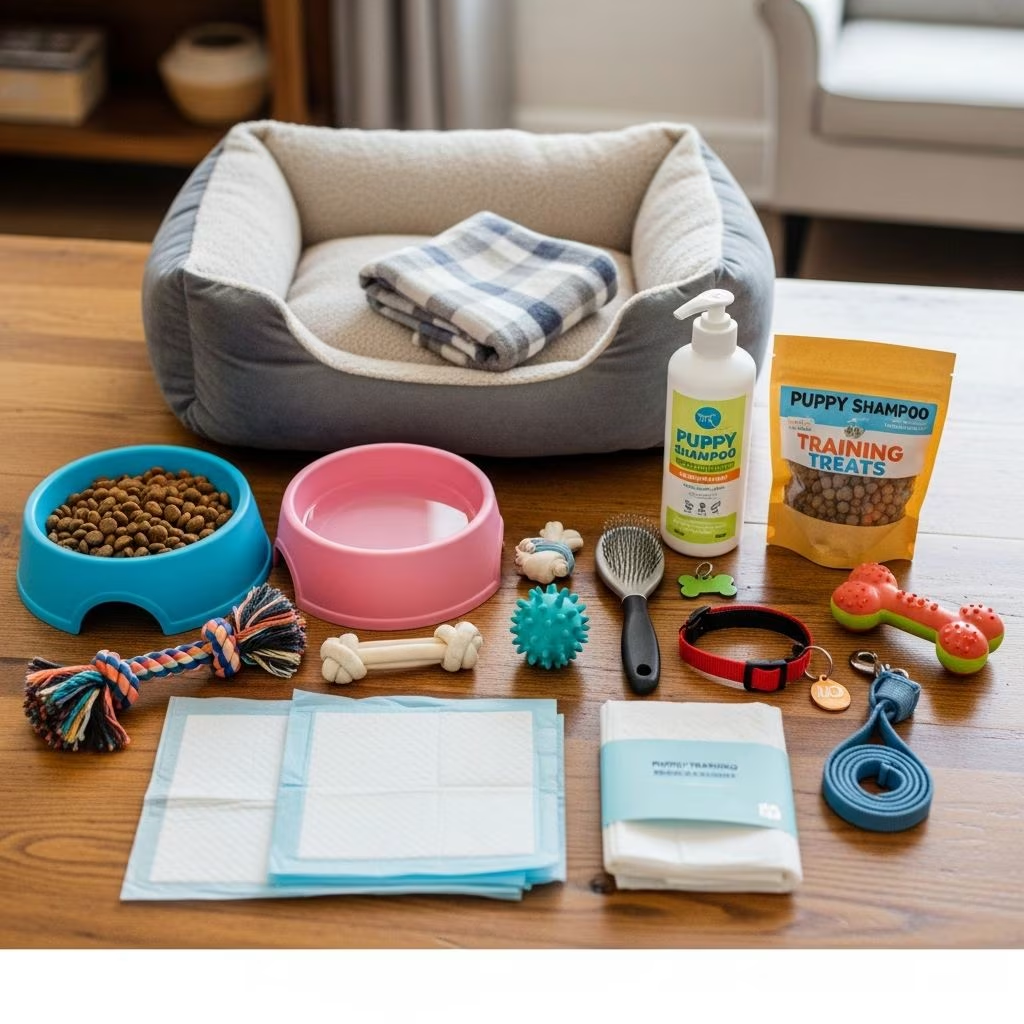
Puppy Survival Kit: Everything You Need Before Bringing Your New Pup Home
Bringing a new puppy into your home is an exciting adventure, but proper preparation is essential to ensure a smooth transition for both you and your new furry family member. Before your puppy arrives, understanding what supplies you need, how to puppy-proof your living space, and what to expect during those first crucial weeks will set you up for success. This comprehensive guide covers everything included in a puppy survival kit, helping you prepare for the joy—and challenges—of raising a new dog.
When to Bring Your Puppy Home
Timing is crucial when it comes to bringing home your new puppy. Most experts recommend waiting until your puppy is at least 8 weeks old before bringing them to their new home. At this age, puppies have been adequately weaned, have received their initial vaccinations, and are developmentally ready to bond with their new families. Before making the commitment, confirm with your breeder or shelter that your puppy meets these age requirements and has received appropriate veterinary care.
Essential Puppy Supplies for the First 36 Hours
The first day and a half with your new puppy requires careful planning. Having certain supplies on hand before your pup arrives will help prevent stress and ensure their basic needs are met immediately.
Puppy Food and Water Bowls
Start by feeding your puppy the same food they were eating at the breeder or shelter to prevent digestive upset. You can transition to a different food later once your puppy has settled in. Provide separate bowls for food and water, preferably non-skid models that minimize spills. Many veterinarians recommend elevated dog bowls to provide greater comfort during meals. Stainless steel and ceramic bowls are ideal choices because they’re easy to clean, dishwasher-safe, and can be easily sanitized.
Potty Training Essentials
Potty pads are essential during the housetraining phase and should be readily available from day one. Place pads in designated areas where you want to encourage your puppy to eliminate. This helps establish good bathroom habits early and makes cleanup easier during the critical early weeks when accidents are inevitable.
Dental and Grooming Products
Start introducing dental care from the beginning to establish good oral hygiene habits. Invest in a puppy-appropriate toothbrush and toothpaste to help your pup become accustomed to teeth cleaning. Additionally, have basic grooming supplies on hand, including puppy shampoo and nail trimmers. Early exposure to grooming helps your puppy become comfortable with these essential care routines throughout their life and prevents dental disease.
Nutritional Needs and Feeding Supplies
Proper nutrition is fundamental to your puppy’s growth and development. Before bringing your puppy home, discuss feeding options with your veterinarian to determine the best diet for your specific puppy’s breed, age, and health needs.
Ask your breeder or shelter what food your puppy has been eating and try to maintain that same brand initially. Sudden dietary changes can cause gastrointestinal upset, so any transition to a new food should happen gradually over 7-10 days by slowly mixing increasing amounts of the new food with the old food.
Stock your home with a quality puppy food formulated for your pup’s current life stage. Premium puppy foods contain the proper balance of proteins, fats, and calories necessary for growth. Always follow feeding guidelines based on your puppy’s age and weight, and consult your veterinarian if you have questions about portion sizes or nutritional requirements.
Puppy-Proofing Your Home
Creating a safe environment is critical before your puppy arrives. Puppies are naturally curious and will explore their surroundings by sniffing, licking, and chewing. Identifying and eliminating potential hazards protects your puppy from injury and prevents destructive behavior problems.
Securing Electrical Cords
Electrical cords pose a serious threat to puppies who are tempted to chew on them. Secure cords to walls or baseboards, hide them inside dog-proof tubing, or block access to these areas entirely. This simple step prevents electrical shock and other serious injuries.
Using Pet Gates
If any area of your home cannot be fully puppy-proofed, use pet gates to restrict your puppy’s access. Gates allow you to create safe zones where your puppy can be supervised and protected from hazards in off-limits areas. This management strategy is particularly useful for kitchens, bathrooms, or rooms with breakable items.
Removing Toxic Substances
Ensure all household chemicals, medications, cleaning supplies, and toxic plants are stored in secure, puppy-proof locations. Many common household items are poisonous to dogs, including chocolate, xylitol-containing products, certain houseplants, and human medications. Take time to research what substances are toxic to dogs and eliminate access accordingly.
Sleeping Arrangements and Crates
A properly introduced crate serves as your puppy’s safe haven and aids significantly in housetraining. Puppies naturally avoid soiling their sleeping areas, making crates an excellent tool for managing bathroom habits.
Select a crate that’s appropriately sized—large enough for your puppy to stand, turn around, and lie down comfortably, but not so large that they can eliminate in one corner and sleep in another. Many quality crates include dividers that allow you to adjust the internal space as your puppy grows, eliminating the need to purchase multiple crates.
Make the crate inviting by including comfortable bedding and introducing it gradually and positively. Never use the crate as punishment. Instead, reward your puppy for entering and spending time inside. Over time, your puppy will view their crate as a safe retreat rather than a confining space.
Consider the location of your puppy’s sleeping area carefully. Many veterinarians recommend setting up sleeping quarters in a puppy-proofed bathroom or a large penned-in area. This location should be easily accessible for nighttime potty breaks while remaining separate from high-traffic household areas.
Toys, Treats, and Enrichment
Puppies have tremendous energy and an instinctive need to chew, especially during teething. Providing appropriate outlets for these natural behaviors prevents destructive chewing of furniture, rugs, shoes, and other household items.
Chewing Toys
Invest in a variety of puppy-sized chew toys appropriate for your pup’s age and size. Hollow rubber toys like puppy Kongs are excellent options because you can fill them with canned puppy food and freeze them to create long-lasting, food-dispensing toys that also soothe sore gums from teething. Bully sticks and frozen carrots offer natural alternatives that many puppies enjoy. Nylabone makes teething-specific toys designed for puppies experiencing the discomfort of incoming adult teeth.
Rotate toys regularly to maintain your puppy’s interest and prevent boredom. Avoid toys with loose pieces of string or components that puppies might chew off and swallow, as these pose choking and intestinal blockage hazards.
Training Treats
Small, soft training treats are invaluable tools for positive reinforcement during housetraining and basic obedience training. Choose low-calorie options to avoid overfeeding, and always factor treats into your puppy’s daily caloric intake. Freeze-dried meat treats and small bits of cooked chicken are excellent high-value reward options that puppies find particularly motivating.
Interactive Toys
Puzzle toys and interactive games provide mental stimulation and help tire your puppy mentally in addition to physical exercise. These enrichment tools are particularly valuable during the first night with your new puppy, as mental stimulation can help keep them entertained and reduce anxiety in their new environment.
Collars, Leashes, and Identification
Every puppy needs a properly fitting collar, a sturdy leash, and identification tags from day one. These items are essential for your puppy’s safety and security.
Collars and Leashes
Select a collar that fits snugly but comfortably—you should be able to fit one or two fingers between the collar and your puppy’s neck. As your puppy grows, you’ll need to adjust or replace the collar frequently. Many pet parents prefer adjustable collars that can grow with their puppy without purchasing multiple replacements.
Choose a durable, age-appropriate leash made from quality materials. Traffic leashes with dual padded handles provide better control and comfort during walks. Practice leash training early so your puppy becomes accustomed to walking on a lead without pulling or resistance.
ID Tags and Microchipping
Attach ID tags to your puppy’s collar immediately. Tags should include your name, phone number, and address. Consider getting personalized ID tags that are durable and easy to read. Additionally, ask your veterinarian about microchipping, which provides a permanent form of identification that cannot be lost or removed. Microchipping is a simple procedure that significantly increases the chances of locating your puppy if they escape or become lost.
Additional Must-Have Items
Dog Bed
Provide a comfortable bed or mat in your puppy’s sleeping area separate from the crate, or choose a crate-sized bed that fits inside. A quality bed offers comfort and security, and a removable cover makes washing easy. Many puppies find washable, cushioned beds particularly comforting in their new environment.
Poop Bags and Waste Management
Stock an ample supply of poop bags for outdoor potty breaks. Keep bags readily accessible and consider purchasing refill rolls to maintain your supply throughout the year. This simple supplies makes cleanup convenient during walks and helps maintain cleanliness in your yard and neighborhood.
Grooming and Health Care
Beyond initial dental and grooming products, establish a relationship with a trusted veterinarian before your puppy arrives. Schedule a first vet visit within the first few days to establish baseline health status, discuss vaccination schedules, and ask questions specific to your puppy’s health and development.
Setting Rules and Establishing Routines
From day one, establish clear household rules and consistent routines. Puppies thrive with structure and consistency. Decide where your puppy will sleep, when feeding times will occur, and what areas of your home are off-limits. When all household members enforce the same rules, your puppy learns quickly and integrates smoothly into your family.
Consistency in potty training is particularly important. Take your puppy outside frequently—immediately after waking, after meals, after playtime, and before bedtime. Praise and reward successful eliminations to reinforce good bathroom habits.
Frequently Asked Questions
Q: What food should I feed my new puppy?
A: Start with the same food your puppy was eating at the breeder or shelter to prevent digestive upset. Consult with your veterinarian about transitioning to a different high-quality puppy food formulated for your puppy’s breed size and age. Make any dietary changes gradually over 7-10 days.
Q: How often should I take my puppy outside for potty breaks?
A: Young puppies need to go outside frequently—typically after waking, after eating, after playtime, and before bedtime. Most puppies can hold their bladder for approximately one hour per month of age, so a 2-month-old puppy needs outdoor access every 2-3 hours.
Q: What size crate should I buy for my puppy?
A: Choose a crate large enough for your puppy to stand, turn around, and lie down comfortably. Many experts recommend purchasing an adult-sized crate with a divider so you can adjust the space as your puppy grows, eliminating the need for multiple crate purchases.
Q: How can I puppy-proof my home effectively?
A: Remove or secure electrical cords, store toxic substances out of reach, use pet gates to block off hazardous areas, and remove small objects that could be choking hazards. Get down to puppy level and identify potential dangers from your puppy’s perspective.
Q: When should I start training my puppy?
A: Training begins immediately when your puppy arrives home. Start with basic potty training, crate training, and house rules. Positive reinforcement using treats and praise works best for young puppies. Formal obedience classes can begin around 10-12 weeks of age once your puppy has received initial vaccinations.
Q: What toys are safe for puppies?
A: Choose puppies-sized toys appropriate for your pup’s age. Avoid toys with small removable pieces, long strings, or components that could be choking hazards. Hollow rubber toys, bully sticks, and teething-specific toys are generally safe. Always supervise playtime and rotate toys to maintain interest.
Q: How much sleep does a puppy need?
A: Young puppies need 15-20 hours of sleep daily. Create a quiet, comfortable sleep environment and expect to lose some sleep during the first night as your puppy adjusts to their new home. Frequent nighttime potty breaks are normal during this adjustment period.
References
- Bringing a Puppy Home: Everything You Need to Know — Chewy. 2025. https://www.chewy.com/education/dog/new-dog/puppy-survival-kit
- New Puppy Checklist: 9 Things You Need — Chewy. 2025. https://www.chewy.com/education/dog/new-dog/new-puppy-checklist-9-things-you-need-before-bringing-home-a-new-puppy
- First Night With Your Puppy: A Survival Guide — Chewy. 2025. https://www.chewy.com/education/dog/new-dog/first-night-with-puppy
- Ultimate New Puppy and Dog Product Checklist — Chewy. 2025. https://www.chewy.com/education/dog/new-dog/new-dog-product-checklist-for-every-life-stage
- Puppy Stages: What To Expect in Their First Two Years — Chewy. 2025. https://www.chewy.com/education/dog/new-dog/what-to-expect-the-first-year-with-your-new-puppy



