
Puppy Strangles in Dogs
Discover the causes, symptoms, diagnosis, and effective treatments for puppy strangles, a rare immune disorder affecting young dogs.
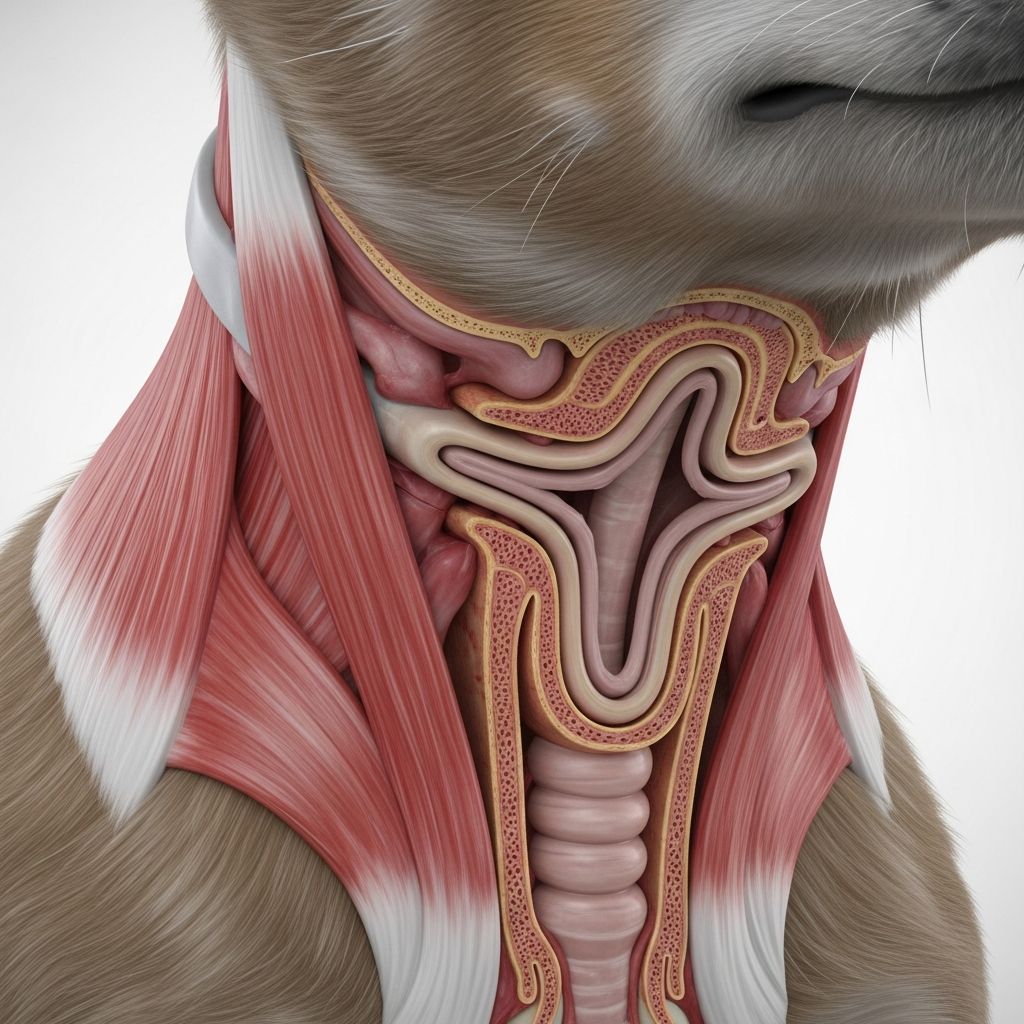
Puppy Strangles in Dogs: A Comprehensive Guide
Puppy strangles, clinically termed juvenile cellulitis or juvenile sterile granulomatous dermatitis and lymphadenitis, represents a rare immune-mediated condition primarily impacting puppies aged 3 weeks to 6 months. This disorder triggers severe inflammation around the face, neck, and submandibular lymph nodes, often manifesting as pus-filled lesions and systemic malaise. While not contagious, prompt veterinary attention is crucial to prevent complications like secondary infections or scarring.
Understanding the Nature of Puppy Strangles
This condition arises from an aberrant immune response where the puppy’s developing immune system erroneously attacks its own tissues, particularly skin and lymph nodes. Unlike infectious diseases, puppy strangles features sterile pustules devoid of bacterial growth unless secondarily infected. The granulomatous reaction—marked by nodular inflammation—distinguishes it from common dermatoses.
Puppies experience rapid onset, with symptoms escalating within days. The disease’s self-limiting nature in treated cases means most affected dogs outgrow it without recurrence post-therapy, though delays can lead to permanent cosmetic damage like alopecia or fibrosis.
Risk Factors and Breeds Prone to Development
Although the precise etiology remains idiopathic, genetic predispositions elevate risk in certain breeds. Golden Retrievers, Gordon Setters, and Dachshunds (across coat varieties and sizes) show higher incidence, suggesting hereditary components. Immature immune systems in neonates amplify susceptibility, as they mount exaggerated responses to perceived threats.
Environmental triggers, such as transient bacterial or viral exposures, may initiate the hypersensitivity, but no definitive pathogen has been isolated. No sex or geographic biases are noted, making vigilance universal for young puppies.
Recognizing Early Warning Signs
Owners must monitor for subtle initial changes progressing to overt distress. Key indicators include:
- Facial and muzzle edema: Soft tissue swelling, especially around eyes, lips, and pinnae, imparting a ‘puffy’ appearance.
- Submandibular lymphadenopathy: Enlarged, firm lymph nodes beneath the jaw, sometimes painful on palpation.
- Papulopustular eruptions: Small, fluid-filled bumps evolving into crusted ulcers on face, ears, and occasionally paws or perineum.
- Systemic signs: Pyrexia (fever above 103°F), anorexia, lethargy, and dehydration from reduced intake.
- Musculoskeletal involvement: Joint effusions or lameness in advanced cases.
These symptoms mimic demodicosis, bacterial pyoderma, or fungal infections, underscoring diagnostic challenges. Pain-induced reluctance to eat heightens dehydration risks, potentially proving fatal if untreated.
Diagnostic Approaches by Veterinarians
Veterinarians rely on history, signalment (age, breed), and physical exam for presumptive diagnosis. Exclusion of differentials is paramount:
| Differential Diagnosis | Key Distinguishing Tests |
|---|---|
| Demodicosis | Skin scrapings (negative mites) |
| Bacterial folliculitis | Cytology (sterile pustules) |
| Canine distemper | Serology/PCR (negative) |
| Autoimmune pemphigus | Biopsy (granulomatous pattern) |
Cytologic evaluation of pustule contents reveals pyogranulomatous inflammation sans organisms. Fine-needle aspirates of nodes show similar sterile suppurates. Bloodwork assesses leukocytosis, elevated globulins, or anemia. Definitive biopsy, under sedation, confirms histopathology with dermal granulomas and lymph node hyperplasia. Imaging like ultrasound aids severe lymphadenopathy assessment.
Core Treatment Strategies
Immunosuppression forms the treatment cornerstone, targeting the hyperactive response. High-dose corticosteroids, typically prednisone at 2-4 mg/kg/day orally, induce rapid remission within 48-72 hours. Therapy spans 3-6 weeks, with gradual tapering to avert rebound or iatrogenic Addison’s.
Secondary antibiotics (e.g., cephalexin 30 mg/kg BID) address opportunistic infections from breached barriers. Supportive care encompasses:
- Moist heat compresses for debridement.
- Nutritional support via assist-feeding.
- Analgesics like buprenorphine for comfort.
- Topical antiseptics to prevent crusting.
Alternative immunosuppressants like cyclosporine suit steroid-intolerant cases. Hospitalization suits anorectic or septic puppies. Prognosis excels with early intervention: 95% achieve full resolution sans sequelae.
Potential Complications and Long-Term Outlook
Untreated progression risks sepsis, disseminated intravascular coagulation, or euthanasia from suffering. Chronic cases scar, causing ventral neck fibrosis or ear deformities. Rarely, recurrent episodes or adult-onset variants occur, necessitating lifelong monitoring.
Post-treatment, hair regrows in 1-3 months; cosmetic defects are uncommon. Breeders should avoid pairing affected lineages due to heritability hints. No vaccine exists, but immune-supportive rearing (deworming, balanced nutrition) may mitigate risks.
Home Management During Recovery
Owners play pivotal roles post-discharge:
- Administer meds precisely, tracking side effects like polyuria/polydipsia.
- Maintain Elizabethan collars to deter self-trauma.
- Gently cleanse lesions with chlorhexidine shampoos.
- Ensure caloric intake via palatable diets.
- Schedule rechecks for taper adjustments.
Quarantine from other puppies prevents misattributed contagion fears. Emotional support via quiet environments aids healing.
Preventive Measures and Myths Debunked
No prophylaxis exists, but early socialization post-6 months minimizes exposure during vulnerability. Myths include contagion (false; sterile) or diet causation (unsubstantiated). Routine puppy exams facilitate detection.
Breed clubs advocate genetic screening research; current tools lack specificity.
Frequently Asked Questions (FAQs)
Is puppy strangles contagious to other dogs or humans?
No, it stems from immune dysregulation, not pathogens. Isolate for observation only.
How long does treatment last?
Initial high-dose phase: 2-4 weeks; full course with taper: 4-8 weeks.
Will my puppy outgrow it without treatment?
Rarely; delays invite complications. Vet care ensures safety.
Can adults get puppy strangles?
Extremely rare; termed adult-onset juvenile cellulitis.
What if steroids fail?
Switch to cyclosporine or combine therapies; biopsy refines diagnosis.
Research Frontiers and Future Directions
Ongoing studies probe cytokine profiles and genetic markers via GWAS in predisposed breeds. Immunomodulatory biologics promise steroid-sparing options. Owner education via apps enhances early reporting.
References
- Understanding Puppy Strangles: What Every Pet Owner Needs to Know — MSPCA-Angell. 2025-05. https://www.mspca.org/wp-content/uploads/2025/05/Fetto_Understanding-Puppy-Strangles_2025.pdf
- Understanding Puppy Strangles: What Every Pet Owner Needs to Know — MSPCA-Angell. 2025. https://www.mspca.org/angell_services/understanding-puppy-strangles-what-every-pet-owner-needs-to-know/
- Puppy Strangles in Dogs — PetMD. Recent. https://www.petmd.com/dog/conditions/skin/c_dg_puppy_strangles
- Puppy Strangles: Causes, Symptoms, and Treatment — American Kennel Club. Recent. https://www.akc.org/expert-advice/health/puppy-strangles/
- Help! My Puppy Has Puppy Strangles! — My Pet Nutritionist. Recent. https://mypetnutritionist.com/post/help-my-puppy-has-puppy-strangles/
- Puppy Strangles Explained: Signs, Symptoms & Treatment Tips — KUTV Fresh Living (YouTube). Recent. https://www.youtube.com/watch?v=QyPr1E3vBR0
- Juvenile Cellulitis (Puppy Strangles) — VCA Animal Hospitals. Recent. https://vcahospitals.com/know-your-pet/juvenile-cellulitis-puppy-strangles
- Juvenile cellulitis (juvenile sterile granulomatous dermatitis and lymphadenitis) — PMC (NCBI). 2022-02-15. https://pmc.ncbi.nlm.nih.gov/articles/PMC8842239/
Similar Articles








Read full bio of medha deb




