

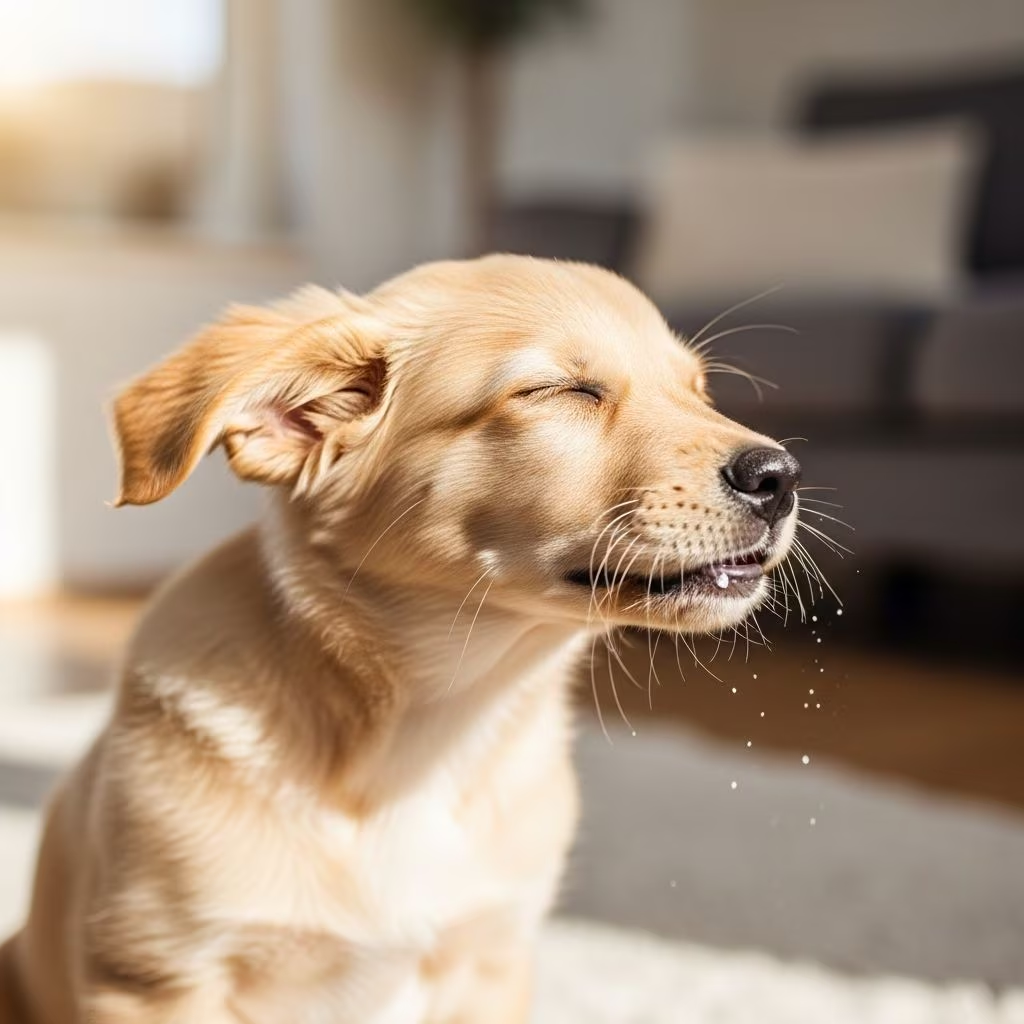
Sneezing in puppies is a frequent occurrence that can stem from benign environmental factors or signal underlying health problems. Young dogs, with their developing immune systems and curious natures, are particularly prone to nasal irritation and respiratory issues. Understanding the root causes helps owners decide between simple home care and prompt veterinary intervention.
Common Environmental Triggers for Puppy Sneezing
Puppies explore their world nose-first, making them susceptible to airborne irritants. Dust particles, pollen from outdoor plants, and household cleaners often provoke reflexive sneezes as the nasal passages clear themselves. Smoke from cigarettes or fireplaces, perfumes, and strong odors can similarly inflame sensitive mucous membranes in a puppy’s nose.
Seasonal changes exacerbate these reactions, especially during high-pollen periods in spring or fall. In humid areas, mold spores add to the mix, leading to bouts of sneezing after playtime outside. These episodes are typically short-lived and resolve without treatment once the puppy moves away from the trigger.
- Dust and pollen: Common in homes and yards, causing mild, intermittent sneezing.
- Cleaning products: Fumes from sprays or fresh laundry detergents irritate nasal linings.
- Smoke and scents: Avoid exposure to minimize reactions in sensitive puppies.
Reverse Sneezing: A Peculiar Puppy Phenomenon
Reverse sneezing, or inspiratory paroxysmal respiration, differs from standard sneezes. Puppies rapidly inhale air through the nose, producing snorting or gagging sounds that alarm owners. This happens due to throat irritation, excitement, or eating too quickly, triggering a spasm in the soft palate.
Brachycephalic breeds like Pugs or Bulldogs are more prone because of their anatomy. Episodes last seconds to a minute and often self-resolve. Owners can help by gently massaging the throat, closing nostrils briefly to prompt swallowing, or calming the puppy.
| Standard Sneezing | Reverse Sneezing |
|---|---|
| Forceful exhale | Rapid inhale with snorts |
| Clears irritants outward | Throat spasm pulls air in |
| Common triggers: allergens | Triggers: excitement, leash pull |
Infectious Causes Behind Persistent Puppy Sneezing
Viral and bacterial infections top the list for prolonged sneezing in puppies. Kennel cough (bordetella) spreads easily in social settings like parks or daycare, causing dry coughs alongside sneezes. Upper respiratory infections from canine influenza or herpesvirus lead to nasal discharge and lethargy, especially in unvaccinated litters.
Fungal infections like aspergillosis are rarer but serious in immunocompromised puppies, thriving in dusty or moldy environments. Parasitic nasal mites (Pneumonyssoides caninum) burrow into sinuses, provoking chronic irritation. Symptoms include clear-to-mucoid discharge and nose pawing.
Foreign Objects: A Hidden Hazard for Playful Pups
Puppies sniff and mouth everything, risking grass seeds, foxtails, or small toys lodging in nasal passages. These barbed intruders cause violent, one-sided sneezing, bloody discharge, and pawing at the face. Foxtails, prevalent in dry grassy areas, migrate deeper without removal, potentially leading to abscesses.
Dental roots from upper molars extend near nasal cavities, so tooth abscesses mimic nasal problems with foul breath and eating reluctance. Immediate vet attention prevents complications like pneumonia.
Allergies and Dental Issues in Growing Puppies
Though less common than in humans, allergies to pollen, dust mites, or food can cause sneezing in puppies. Watch for worsening in specific seasons or after meals. Dental disease, even in young pups from poor teething hygiene, infects roots and drains into noses.
Warning Signs: When Puppy Sneezing Needs a Vet
Benign sneezing is occasional and isolated. Seek care if accompanied by:
- Yellow, green, or bloody nasal discharge
- Lethargy, appetite loss, or fever
- Swollen face, wheezing, or breathing difficulty
- Sneezing lasting over 24-48 hours or worsening
- Coughing, reverse sneezing frequency, or nosebleeds
Puppies under 6 months or from shelters warrant quicker checks due to vulnerability.
Home Remedies to Ease Puppy Discomfort
For mild cases, create a steamy bathroom environment to loosen mucus, or use a humidifier. Warm, aromatic food boosts appetite. Vacuum regularly, wash bedding, and air out irritants. Avoid over-the-counter meds without vet approval.
Veterinary Diagnosis and Treatment Options
Vets start with a physical exam, history review, and may proceed to nasal swabs, X-rays, rhinoscopy, or bloodwork. Treatments target causes:
- Infections: Antibiotics, antivirals, antifungals
- Foreign bodies: Sedation, flushing, or surgery
- Allergies: Antihistamines, hypoallergenic diets
- Mites/Parasites: Ivermectin or milbemycin
- Dental: Extractions, antibiotics
Vaccinations prevent many respiratory ills. Prognosis excels with early intervention.
Preventing Sneezing Episodes in Puppies
Maintain clean environments, vaccinate on schedule, supervise play away from foxtails, and use harnesses over collars. Regular dental checks and balanced diets support nasal health. Monitor new puppies closely during adjustment periods.
Frequently Asked Questions (FAQs)
Is sneezing normal in puppies?
Occasional sneezing from irritants is normal, but persistent or symptomatic sneezing isn’t.
How long should I wait before calling the vet for puppy sneezing?
If over 1-2 days or with discharge/lethargy, consult a vet promptly.
Can reverse sneezing hurt my puppy?
It’s usually harmless but frequent cases need evaluation for underlying issues.
What home remedy works best for puppy nasal congestion?
Steam therapy and humidifiers help clear passages safely.
Are certain breeds more prone to sneezing problems?
Brachycephalic breeds face higher risks from anatomical factors.
References
- Coughing and Sneezing in Pets: When to Worry — St. Charles Vet Hospital. 2023. https://www.stcharlesvethospital.com/blog/coughing-and-sneezing-in-pets-when-to-worry
- Sneezing in Dogs — Joii Pet Care. 2024. https://www.joiipetcare.com/blogs/health-symptoms/sneezing-in-dogs
- Dog Sneezing: When to Worry and What to Do — Animal Family Veterinary Care. 2023. https://animalfamilyveterinarycare.com/blog/dog-sneezing/
- Reverse Sneezing — Cornell University College of Veterinary Medicine. 2024-10-15. https://www.vet.cornell.edu/departments-centers-and-institutes/riney-canine-health-center/canine-health-topics/reverse-sneezing
- Sneezing in Dogs – Causes, Treatment and Associated Symptoms — Vetster. 2024. https://vetster.com/en/symptoms/dog/sneezing



