

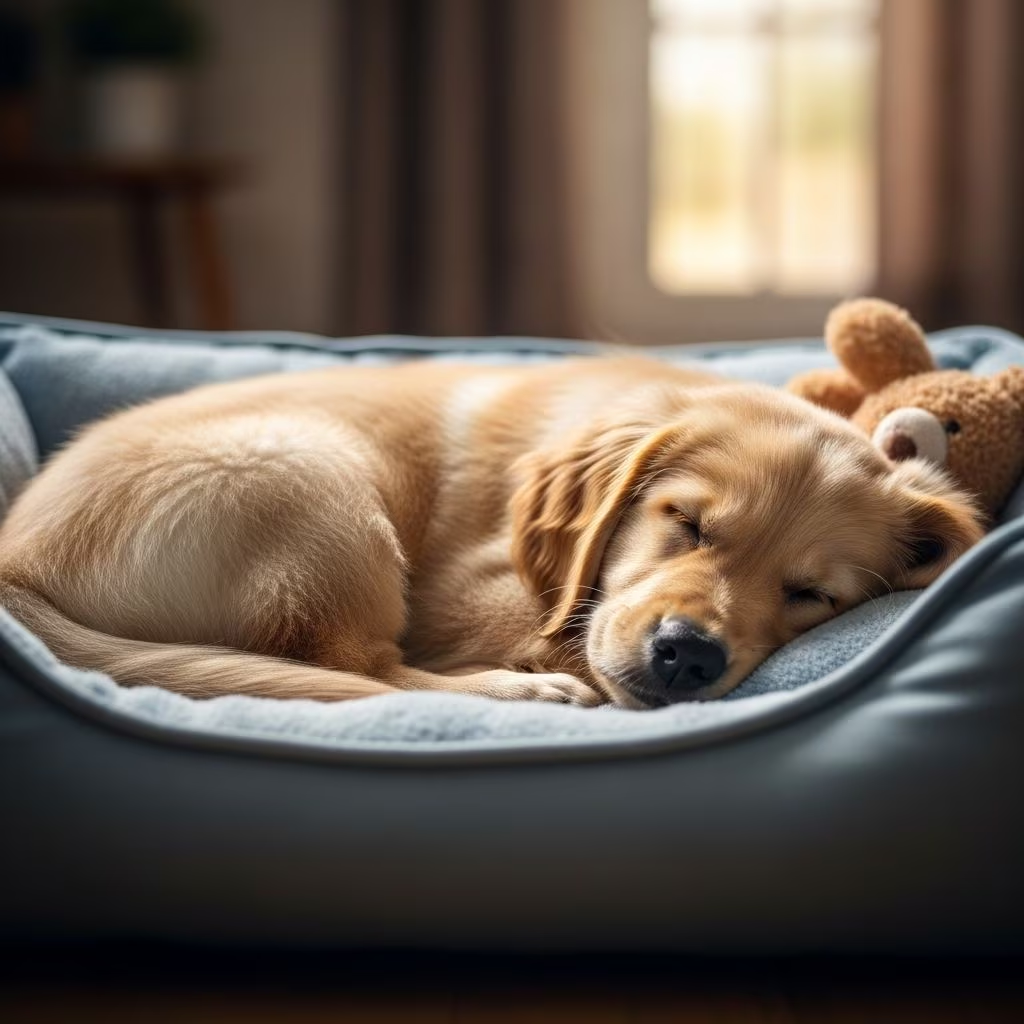
Bringing a new puppy into your home marks an exciting transition, yet many first-time dog owners are surprised to discover just how much their young companions sleep. Unlike adult dogs that settle into predictable rest patterns, puppies require substantial amounts of sleep—sometimes up to 20 hours daily—as their bodies and minds undergo rapid transformation. Understanding these sleep needs and establishing proper rest routines is fundamental to raising a healthy, well-adjusted dog.
The Critical Role of Sleep in Puppy Development
Sleep isn’t merely a passive state for puppies; it’s a period of intense biological activity essential for healthy maturation. During sleep, puppies experience profound physical and neurological changes that directly impact their long-term health, behavior, and learning capacity.
Physical Growth and Development
A puppy’s body transforms dramatically during its first year, with sleep serving as the catalyst for this growth. While resting, puppies’ muscles strengthen, bones harden, and immune systems fortify themselves against illness. The pituitary gland releases growth hormones primarily during sleep periods, making adequate rest non-negotiable for proper skeletal and muscular development. This biological process explains why interrupted sleep patterns can compromise a puppy’s growth trajectory.
Neurological Maturation and Learning
The puppy brain undergoes extraordinary development, with neural connections forming at remarkable rates. Sleep consolidates memories and reinforces learned behaviors, transforming experiences into lasting knowledge. When puppies nap after training sessions or play, their brains process and store information from those activities. This is why well-rested puppies demonstrate superior learning capacity and faster command retention compared to sleep-deprived counterparts.
Emotional Regulation
Puppies that receive adequate sleep exhibit better emotional stability and fewer behavioral problems. A rested puppy demonstrates improved patience, reduced anxiety, and fewer instances of destructive behavior or excessive vocalization. Conversely, sleep-deprived puppies may exhibit hyperactivity, irritability, and difficulty managing stress—creating a cycle where poor sleep leads to behavioral issues, which further disrupts sleep patterns.
Sleep Requirements by Developmental Stage
Puppy sleep needs fluctuate significantly as they mature, declining progressively from newborn status toward adult requirements. Understanding these age-specific benchmarks helps owners establish appropriate expectations and schedules.
| Puppy Age | Daily Sleep Hours | Key Characteristics |
|---|---|---|
| Newborn to 2 weeks | 20-22 hours | Minimal waking periods, nearly constant sleep for growth and development |
| 2-12 weeks | 18-20 hours | Frequent naps throughout day and night, resembles human infant sleep patterns |
| 12-16 weeks | 16-18 hours | Sleep becoming more consolidated, longer waking periods for play and learning |
| 4-6 months | 15-17 hours | More predictable patterns emerging, beginning to transition toward adult sleep |
| 6+ months | 13-15 hours | Sleep patterns resembling adult dogs, though still more rest than mature animals |
Research confirms these developmental differences, with studies showing that 16-week-old puppies sleep significantly more throughout the 24-hour cycle compared to 12-month-old dogs. The transition is gradual rather than abrupt, reflecting the puppy’s progressive maturation into an adult canine.
Understanding Puppy Sleep Architecture
Young puppies’ sleep differs fundamentally from adult canine sleep patterns. Their sleep cycles are notably lighter and more fragmented, characterized by frequent transitions between consciousness and rest. This fragmentation reflects their developmental needs—puppies must wake regularly to eat, eliminate waste, and gradually acclimate to their environment.
At eight weeks and younger, puppies exhibit sleep patterns remarkably similar to human infants, with napping distributed throughout the day and night rather than consolidated into nighttime blocks. This natural rhythm develops from their biological programming; newborn puppies have minimal bladder control, requiring frequent bathroom breaks that naturally interrupt sleep continuity.
As puppies mature, their sleep architecture gradually shifts. By 16-20 weeks of age, most puppies develop capacity for extended nighttime sleep stretches of 4-8 hours without toilet-related interruptions. This gradual consolidation allows owners to expect progressively longer sleep periods and more predictable patterns as their puppy ages.
Establishing an Effective Sleep Schedule
Creating structure around your puppy’s sleep isn’t about restriction—it’s about honoring their biological needs while fostering household harmony. A thoughtfully designed schedule provides puppies the security of predictability while ensuring they obtain necessary rest.
Early Morning and Breakfast Routine
Begin your puppy’s day with consistency. Upon waking, immediately take your puppy outside for a bathroom break before offering food. Morning light exposure helps regulate their circadian rhythm, establishing the internal clock that governs sleep-wake cycles. Follow the outdoor break with breakfast and a brief, low-intensity activity like a short walk or gentle play.
Midday Rest and Activity Balance
The midday period should include alternating play sessions with mandatory nap times. Puppies benefit from concentrated play periods lasting 30-45 minutes, followed by quiet rest sessions in their crate or designated sleep area. This pattern prevents overstimulation while allowing your puppy to burn appropriate energy levels. Include training reinforcement during wakeful periods, as puppies consolidate learned commands during subsequent sleep.
Afternoon Enrichment and Mental Stimulation
Afternoon periods should incorporate mental challenges alongside physical activity. Puzzle toys, scent games, and training drills provide cognitive engagement that satisfies your puppy’s developing mind. These activities should occur during natural wakeful periods, with clear transitions into rest time afterward. This pattern teaches puppies that activity and sleep form a healthy cycle rather than competing states.
Evening Wind-Down Protocol
The hours preceding bedtime should progressively calm your puppy’s nervous system. Offer dinner at a consistent time, allowing adequate digestion before sleep. Avoid vigorous play in the two hours before bedtime, instead transitioning to gentle activities like slow-paced walks or calm petting sessions. A final outdoor bathroom break immediately before sleep minimizes nighttime interruptions.
Crate Training and Sleep Environment
Strategic crate training accelerates your puppy’s ability to settle into extended rest periods. Rather than confining puppies, a properly introduced crate becomes a sanctuary—a space where puppies naturally seek rest and security.
Begin by allowing your puppy to explore the open crate during daytime hours, associating it with positive experiences through treat rewards and praise. Gradually increase enclosed time while your puppy remains in the crate, always maintaining positive reinforcement. During nighttime, place the crate in your bedroom, close the door, and calmly ignore whining unless your puppy demonstrates clear signs of needing outdoor access.
The crate itself should be appropriately sized—large enough for your puppy to stand and turn comfortably, but not so spacious that they eliminate in one corner and sleep in another. Include soft bedding and perhaps a safe chew toy, creating an inviting sleep environment. Many puppies instinctively avoid soiling their sleeping area, using this natural instinct to develop house-training habits alongside improved sleep continuity.
Addressing Common Sleep Challenges
Even with excellent planning, most new puppy owners encounter sleep-related obstacles. Understanding the underlying causes helps distinguish between normal developmental phases and genuine problems requiring intervention.
Nighttime Waking and Bathroom Needs
Puppies under 16 weeks typically cannot physically hold their bladder and bowels through full nights. Waking every 4-6 hours is developmentally normal, not a training failure. Respond consistently to these waking periods by taking your puppy outside for a bathroom break, then returning immediately to the crate without extended play or feeding. This teaches your puppy that nighttime is for elimination and sleep, not interaction or entertainment.
Excessive Daytime Sleeping
While puppies require substantial sleep, excessive daytime sleeping combined with lethargy during waking periods may indicate illness or nutritional deficiency. Healthy puppies demonstrate alert curiosity during wakeful periods and vibrant play sessions. If your puppy sleeps excessively while appearing lethargic when awake, consult your veterinarian.
Difficulty Settling into Sleep
Puppies struggling to transition into sleep often suffer from overstimulation. Examine whether your puppy receives adequate wind-down time, appropriate activity intensity during daytime hours, and consistent sleep cues. Some puppies benefit from white noise, dim lighting, or calming music that masks environmental sounds triggering alertness.
Transition to Adult Sleep Patterns
As puppies mature beyond six months, their sleep requirements gradually approach adult levels. A six-month-old puppy transitioning into adolescence requires approximately 13-15 hours daily, compared to the 18-20 hours needed at eight weeks.
This transition occurs naturally as puppies’ bodies near full maturation and their nervous systems stabilize. However, adolescent puppies often maintain higher energy levels than both young puppies and adult dogs, sometimes creating a paradoxical phase where they sleep less yet require more management due to increased activity capacity.
By one year of age, puppies typically align with adult sleep requirements of 12-14 hours daily, though individual variation exists based on breed, health status, and lifestyle. Large breed puppies may require slightly more sleep than toy breeds during development, reflecting their extended maturation timeline.
Sleep Quality and Long-Term Health Implications
Beyond immediate puppy behavior, early sleep patterns establish foundations for lifetime health. Puppies that consistently receive adequate quality sleep develop stronger immune systems, maintain healthier body weight, and demonstrate superior behavioral control throughout their lives.
Poor sleep quality during critical developmental windows may compromise immune function, impair learning capacity, and predispose puppies to behavioral issues that persist into adulthood. Conversely, puppies that experience consistent, quality sleep develop into more trainable, emotionally stable, and physically healthy adult dogs.
Frequently Asked Questions
Is 18-20 hours of sleep actually healthy for puppies?
Yes, extensive sleep during puppyhood is developmentally appropriate and essential. Young puppies’ bodies require this rest for physical growth, neurological development, and emotional maturation. The sleep isn’t excessive—it’s calibrated to their biological needs.
When can I expect my puppy to sleep through the night?
Most puppies develop capacity for 6-8 hour uninterrupted nighttime sleep by 16-20 weeks of age. However, individual variation exists based on genetics, breed size, and individual development rates. Some puppies may sleep through earlier, while others require additional weeks.
Should I let my puppy nap whenever they want?
Allowing puppies to self-regulate napping generally works well, but maintaining consistent nap times helps establish predictable patterns beneficial for potty training and household management. You needn’t force sleep, but providing designated quiet time and removing stimulation encourages natural napping.
Is crate training necessary for healthy puppy sleep?
While not absolutely mandatory, crate training significantly facilitates both sleep establishment and house-training success. Many puppies naturally gravitate toward enclosed sleeping spaces, making crates an effective tool aligned with canine instincts.
References
- Puppy Sleep Schedule Best Practices & Sleep Training — Jenna Lee Doodles. Accessed January 2026. https://www.jennaleedoodles.com/post/puppy-sleep-schedule-best-practices-training
- Sleep Duration and Behaviours: A Descriptive Analysis of a Cohort — NCBI/PMC. https://pmc.ncbi.nlm.nih.gov/articles/PMC7401528/
- Puppy Sleep Schedule by Age — PetPLAY.com. Accessed January 2026. https://www.petplay.com/blogs/tips/puppy-sleep-schedule-by-age
- How Much Do Puppies Sleep? — Lemonade Insurance. Accessed January 2026. https://www.lemonade.com/pet/explained/how-much-do-puppies-sleep/
- Puppy Sleep: What to Expect — Zoetis Petcare. Accessed January 2026. https://www.zoetispetcare.com/blog/article/puppy-sleep



