

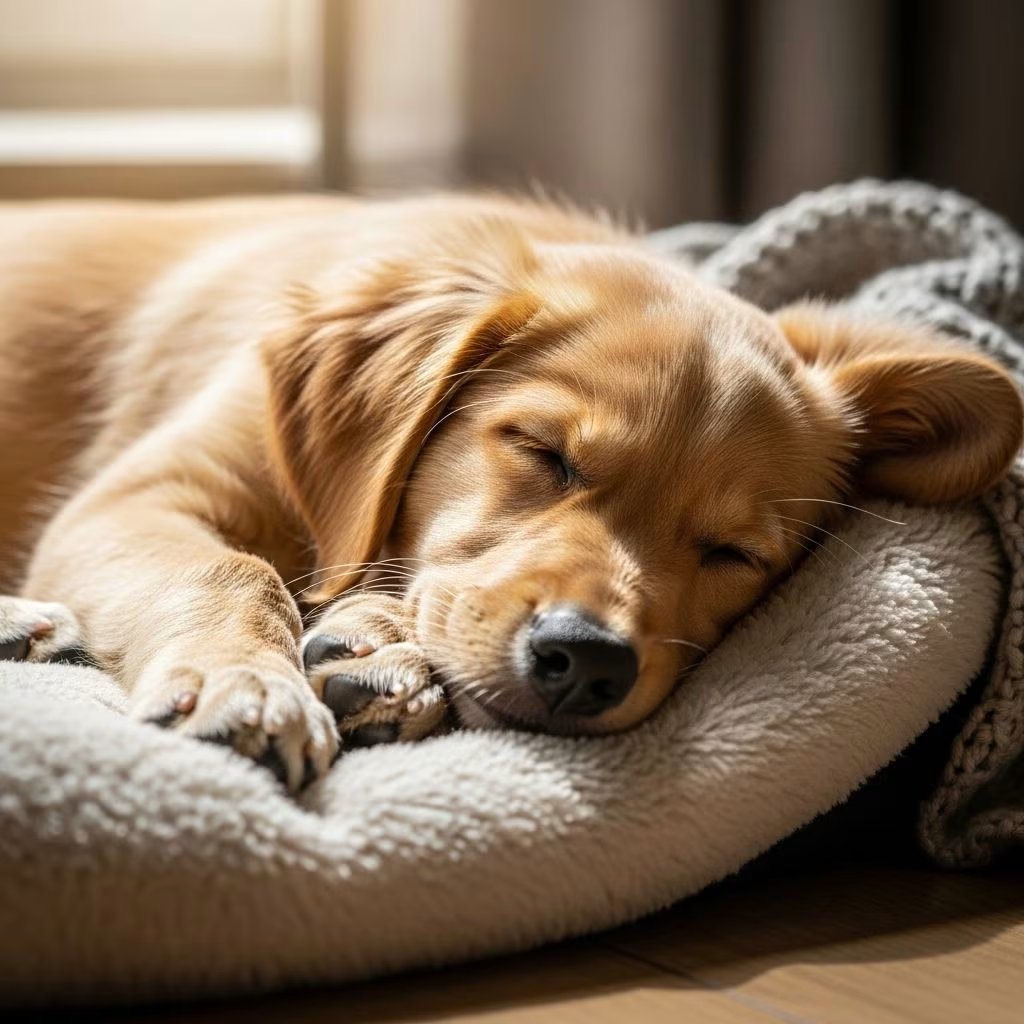
Puppies require significantly more sleep than adult dogs, often 16 to 20 hours per day, to fuel rapid physical and mental development. This extensive rest supports growth hormone release, immune function, and brain processing of new experiences.
The Science Behind Puppy Slumber
During deep sleep phases, puppies release growth hormones essential for building strong bones, muscles, and overall body mass. Adequate rest also strengthens the immune system by producing antibodies, helping young dogs resist infections amid vaccinations and environmental exposures. Neurologically, sleep consolidates learning from play and exploration, aiding cognitive maturation in their fast-developing brains.
Puppies exhibit a polyphasic sleep cycle, characterized by multiple short naps interspersed with activity bursts, unlike the consolidated nighttime sleep of adults. This pattern aligns with their high energy demands for growth, equivalent to human development over 18 years in just one canine year.
Sleep Requirements Across Puppy Stages
Sleep needs decrease progressively as puppies mature, transitioning from near-constant napping to more structured day-night cycles. The table below outlines typical daily totals, nap frequency, and nighttime stretches by age group, drawn from veterinary and kennel club guidelines.
| Age Group | Total Sleep (24 Hours) | Nap Frequency | Nighttime Sleep |
|---|---|---|---|
| 0-8 Weeks | 18-20 hours | Every 1-2 hours | 2-3 hour stretches |
| 8-12 Weeks (2-3 Months) | 16-18 hours | Every 2-3 hours | 5-6 hours |
| 3-4 Months | 14-16 hours | 2 naps (1-2 hours each) | 7-8 hours |
| 4-6 Months | 12-14 hours | 1 midday nap | 8-10 hours |
| Over 6 Months | 12-14 hours | Occasional naps | Full night |
These benchmarks vary slightly by breed, size, and individual health, but deviations warrant monitoring.
Newborn Phase: 0-8 Weeks
At this stage, puppies mirror human infants, sleeping 18-20 hours amid frequent nursing and elimination needs. Their immature nervous systems demand constant rest for sensory integration as eyes and ears activate around weeks 2-3. Littermates provide warmth and security, promoting clustered napping.
Early Adjustment: 2-4 Months
By 8-12 weeks, newly homed puppies still need 16-18 hours but show emerging circadian rhythms, managing 5-6 hour nights with potty interruptions. Growth spurts at 3-4 months intensify rest requirements to 14-16 hours, supporting size surges and independence.
Teenage Energy Shift: 4-6 Months
Puppies reduce to 12-14 hours, dropping formal naps while sustaining high curiosity. Bladder control improves, enabling 8-10 hour nights by 16-20 weeks. Behavioral maturation aligns wakefulness with training opportunities.
Building a Restful Daily Routine
Consistency fosters healthy patterns. Key strategies include:
- Designated Sleep Zones: Use crates or quiet corners with soft bedding to mimic den-like security, aiding crate training and preventing disruptions.
- Post-Activity Naps: After 15-20 minutes of feeding, play, or exploration, encourage settling to capitalize on natural fatigue.
- Nighttime Protocols: Limit interactions during wakings to quick potty trips, avoiding play to reinforce day-night distinctions.
- Dim Environment: Maintain low light and minimal noise for newborns to avoid startling their developing senses.
- Scheduled Feeds: Every 2-3 hours initially, tapering as bladder capacity grows, to minimize sleep interruptions.
A sample 8-week-old schedule might feature bedtime at 10 PM, a 2-4 AM potty break, and dawn wake-up, evolving to uninterrupted nights by 4 months.
Signs Your Puppy’s Sleep Is Healthy
Observe these indicators of balanced rest:
- Steady physical growth without stalls.
- Enthusiastic engagement during awake times.
- Predictable nap onset 30-45 minutes post-activity.
- Calm demeanor without hyperactivity or irritability.
Well-rested puppies thrive in training and socialization, displaying resilience to daily stresses.
When Excessive Sleep Signals Trouble
While abundant sleep is normal, extremes may indicate issues. Consult a vet if your puppy:
- Sleeps over 20 hours beyond newborn phase or resists waking.
- Shows lethargy, lagging on walks, or disinterest in food/play.
- Experiences restlessness, whining, or sudden pattern shifts.
- Displays accompanying symptoms like vomiting, diarrhea, or fever.
Potential causes include parasites, infections, congenital conditions, or nutritional gaps. Puppies under 16 weeks rarely sleep through nights fully, but persistent wakings past this merit checks for urinary issues.
Breed and Lifestyle Influences on Rest
Larger breeds may need extra sleep for pronounced growth phases, while toy varieties mature faster with reduced totals. Active households demand structured naps to prevent overexertion, whereas calm environments naturally extend rest periods. Monitor for burnout in high-energy adolescents exploring independence.
Long-Term Benefits of Quality Sleep
Prioritizing rest yields lifelong advantages: robust immunity, optimal body conditioning, and sharper learning retention. As puppies approach adulthood around 6-12 months (breed-dependent), their 12-14 hour needs stabilize, mirroring mature dogs. Early routines lay foundations for behavioral stability and reduced anxiety.
FAQs
Is it okay to wake my sleeping puppy?
Generally no, as interruptions hinder development. Only for essential potty or feeding in young pups.
How do I stop nighttime whining?
Rule out potty needs first, then ignore brief cries to encourage self-soothing. Consistency resolves most cases.
When will my puppy sleep through the night?
Typically by 16-20 weeks, with full nights possible from 4-6 months.
Does exercise affect puppy sleep?
Moderate play promotes deeper rest; excess can lead to overtiredness and poor quality sleep.
Should puppies share beds with owners?
Crate training is preferable for safety and independence, transitioning to family beds later if desired.
References
- Puppy Sleep Routine by Age: From Newborn to Six Months — Petland Raleigh. 2023. https://petlandraleigh.com/post/puppy-sleep-routine-by-age-from-newborn-to-six-months/
- Puppy Sleep Schedule by Age — PetPLAY.com. 2023. https://www.petplay.com/blogs/tips/puppy-sleep-schedule-by-age
- How Much Do Puppies Sleep? — Lemonade.com. 2023. https://www.lemonade.com/pet/explained/how-much-do-puppies-sleep/
- Does My Puppy Need More Sleep? — Rover.com. 2023. https://www.rover.com/blog/how-much-sleep-do-puppies-need/
- Why does my puppy sleep so much — Royal Kennel Club. 2023. https://www.royalkennelclub.com/health-and-dog-care/health-dog-care/health/health-and-care/a-z-of-health-and-care-issues/why-does-my-puppy-sleep-so-much/
- Puppy Sleep: What to Expect — Zoetis Petcare. 2023. https://www.zoetispetcare.com/blog/article/puppy-sleep



