

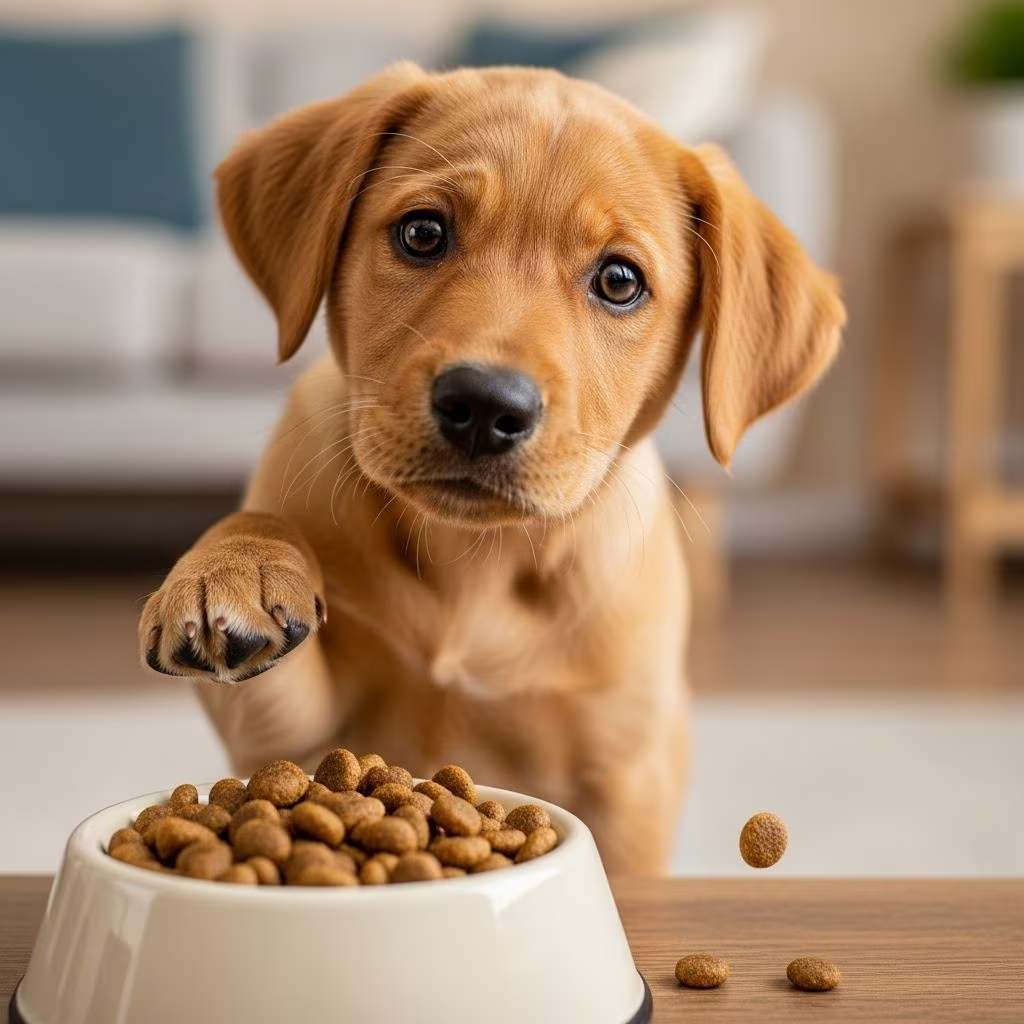
Your energetic little puppy suddenly turns up their nose at their usual bowl of crunchy kibble. This common frustration leaves many owners wondering what’s wrong and how to coax their furry friend back to mealtime. While occasional fussiness happens, persistent refusal can signal underlying issues affecting growth and health. This guide dives into the primary triggers behind puppies shunning dry food and delivers actionable steps to reignite their interest, drawing from veterinary insights and practical pet care strategies.
Understanding the Shift in Puppy Appetite
Puppies experience rapid changes in their first year, influencing how they perceive and process food. Dry kibble, designed for convenience and dental benefits, relies on texture, aroma, and flavor to appeal. When these elements fall short, intake drops. Early detection prevents nutritional gaps during this critical development phase.
- Developmental Milestones: From weaning to adolescence, taste preferences evolve alongside physical growth.
- Sensory Factors: Puppies rely heavily on smell; diminished scents reduce appeal.
- Nutritional Balance: Kibble provides complete diets, but refusal risks deficiencies in proteins, vitamins, and minerals essential for bones, coat, and immunity.
Top Reasons Puppies Avoid Crunchy Kibble
Several factors contribute to this behavior. Identifying the root cause guides effective interventions.
Teething Discomfort Disrupts Chewing
Between 3-6 months, puppies sprout adult teeth, causing sore gums and reluctance to crunch hard pieces. Softened textures become preferable during this painful period. Signs include drooling, pawing at the mouth, or selective chewing.
Picky Preferences and Boredom Set In
Some puppies develop finicky tastes, especially if introduced to varied treats or human scraps early. Routine monotony with the same kibble flavor leads to disinterest. They may devour treats but ignore meals, indicating behavioral rather than medical issues.
Dental or Oral Health Problems Emerge
Beyond teething, issues like broken teeth, gum inflammation, or infections make hard food painful. Puppies paw at their face or eat from one side. Prompt veterinary exams rule out these conditions.
Recent Diet or Environment Changes
Switching brands, moving homes, or new family members stresses puppies, suppressing appetite. Sudden formula changes without gradual mixing upset digestion, leading to aversion.
Food Quality or Storage Issues
Stale, moldy, or low-quality kibble loses crunch and aroma. Check expiration dates and storage; rancid fats deter even eager eaters. Ingredient sensitivities to fillers or byproducts also play a role.
Overfeeding Treats or Extras
Excess treats fill tummies before meals, spoiling hunger. Track daily intake; treats should not exceed 10% of calories to maintain balance.
| Reason | Common Signs | Quick Check |
|---|---|---|
| Teething | Drooling, mouth pawing | Gum inspection |
| Pickiness | Eats treats, ignores kibble | Remove extras 24 hours |
| Dental Pain | One-sided eating, bad breath | Vet dental exam |
| Stale Food | Sudden refusal of open bag | Smell test new bag |
Immediate Strategies to Boost Kibble Appeal
Start with simple tweaks before major overhauls. These enhance sensory draw without compromising nutrition.
Hydrate for Enhanced Aroma and Texture
Add warm water to kibble, softening it slightly and releasing meaty smells. Use 1-2 tablespoons per serving; let sit 5 minutes. This mimics wet food appeal and aids hydration, especially for dehydrated puppies.
Incorporate Safe, Nutrient-Rich Toppers
Elevate plain kibble with dog-safe add-ins. Begin small to avoid digestive upset.
- Bone Broth: Low-sodium, onion-free varieties add flavor and joint benefits.
- Scrambled Egg: Protein boost; chop finely over kibble.
- Cooked Veggies: Steamed carrots, broccoli, or sweet potato for fiber and vitamins.
- Fish Oil: Drizzle salmon oil for omega-3s and gloss.
- Wet Food Mix: Blend 25% wet with 75% dry, gradually reducing wet.
Experiment with Feeding Routines
Feed in a distraction-free zone. Elevate bowls for comfort. Hand-feed initially to build positive associations. Schedule 3-4 small meals daily instead of 2 large ones, removing uneaten food after 15-20 minutes to encourage hunger.
Transitioning to New Kibble Safely
If quality issues suspected, select premium, grain-free options with real meat first ingredients. Transition over 7-10 days:
- Days 1-3: 75% old, 25% new.
- Days 4-6: 50/50 mix.
- Days 7-9: 25% old, 75% new.
- Day 10: 100% new.
Monitor stool and energy; revert if diarrhea occurs.
When to Consult a Veterinarian
Rule out illness if refusal lasts over 24-48 hours, accompanies vomiting, lethargy, diarrhea, or weight loss. Puppies dehydrate quickly; bloodwork or exams detect parasites, infections, or allergies. Senior-like symptoms in young pups warrant urgent checks.
Long-Term Prevention for Consistent Eating
Build habits early: Limit treats, rotate flavors monthly, maintain routine. Annual dental cleanings prevent future aversions. Puzzle feeders engage natural foraging instincts, slowing intake for better digestion.
- Portion control via body condition scoring.
- Quiet, elevated feeding stations.
- High-quality kibble matching life stage.
Frequently Asked Questions
Can I add water to dry puppy food daily?
Yes, moderately; it enhances palatability and hydration without sogginess. Avoid excess to preserve dental benefits.
What if my puppy eats wet food but not dry?
Mix incrementally, addressing potential dental pain. Wet suits temporary needs but lacks crunch for teeth.
How long can a puppy go without eating kibble?
24 hours max; consult vet sooner for dehydration risks.
Are toppers safe long-term?
In moderation, yes; balance calories to prevent obesity. Choose vet-approved options.
Does puppy age affect kibble refusal?
Teething peaks at 4-6 months; older pups may face sensory decline.
References
- Dog Stopped Eating Dry Food? How to Make It More Appealing — Pooch & Mutt. 2023. https://www.poochandmutt.co.uk/blogs/nutrition/dog-stopped-eating-dry-food-make-more-appealing
- My Dog Won’t Eat Kibble Or Dry Food Anymore — Portland Pet Food Company. 2024. https://portlandpetfoodcompany.com/pages/my-dog-wont-eat-kibble-or-dry-food-anymore
- Dog Not Eating? Possible Causes and Appetite Solutions — WebMD Pets. 2025-02-10. https://www.webmd.com/pets/dogs/dog-not-eating-possible-causes-and-appetite-solutions
- Why is my dog not eating and what can I do? — Small Door Veterinary. 2024. https://www.smalldoorvet.com/learning-center/what-to-do/dog-wont-eat
- Dog Not Eating Food But Will Eat Treats? Exact Reason Why — BECO Pets. 2023. https://www.becopets.com/blogs/news/why-is-my-dog-not-eating-his-food-but-will-eat-treats
- 8 Reasons Why Your Dog Is Eating Treats But Not Their Food — Arvada Vet Hospital. 2024. https://arvadavethospital.com/blog/8-reasons-why-your-dog-is-eating-treats-but-not-their-food/



