Puppy Skin Issues Guide
Discover common skin conditions in puppies, from allergies to infections, with expert tips on symptoms, diagnosis, and effective treatments.
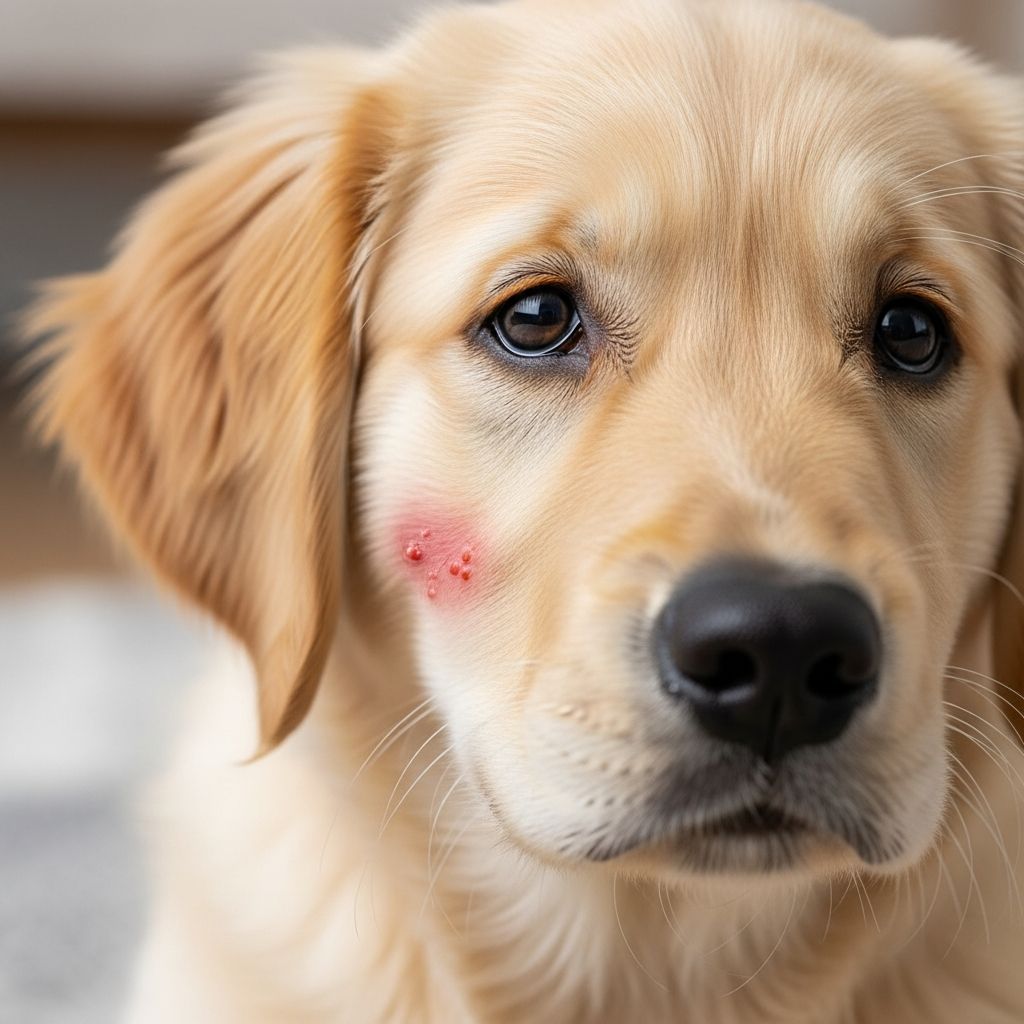
Puppies often face skin challenges due to their developing immune systems and exposure to new environments. These conditions range from mild irritations to serious infections, requiring prompt attention to prevent long-term damage. Understanding the signs and solutions can help ensure your young dog’s comfort and well-being.
Why Puppies Are Prone to Skin Troubles
Young dogs have immature skin barriers, making them susceptible to external threats. Factors like genetics, diet, and environment play key roles. For instance, incomplete oil gland development leads to dryness, while close contact with littermates spreads contagions easily. Early intervention is crucial as untreated issues can escalate, affecting growth and quality of life.
Recognizing Early Warning Signs
Spotting problems early involves watching for changes in behavior and appearance. Common indicators include:
- Excessive scratching or biting at specific areas
- Redness, bumps, or flaky patches on the skin
- Hair loss in bald spots, often circular
- Unpleasant odors from affected regions
- Lethargy or discomfort during touch
These symptoms signal underlying issues, from parasites to allergies. Monitor puppies closely during their first year, as conditions peak then.
Top Skin Conditions Affecting Puppies
Parasitic Infestations
Parasites top the list of puppy skin woes. Fleas cause intense itching via allergic reactions to saliva, leading to hot spots—moist, red lesions from self-trauma. Mites, including Demodex and Sarcoptes, burrow into skin, creating mange with crusty, inflamed areas. Demodex often appears in immunocompromised pups, showing scaling and folliculitis. Ticks transmit diseases while feeding, worsening irritation.
Diagnosis uses skin scrapings and cytology. Prevention with monthly topicals or orals keeps parasites at bay.
Allergic Reactions and Atopic Dermatitis
Allergies affect up to 15% of dogs, striking puppies via fleas, foods, or pollen. Symptoms mimic parasites: relentless itch, red paws, and ear infections. Atopic dermatitis disrupts the skin barrier, inviting secondary yeast or bacterial overgrowth. Environmental triggers like dust mites exacerbate issues in sensitive breeds.
Management includes antigen avoidance, antihistamines, and novel itch-blockers like Apoquel. Shampoos remove allergens and soothe inflammation.
Bacterial and Yeast Overgrowths
Bacterial folliculitis presents as pustules, papules, and epidermal collarettes, often secondary to allergies or mites. Staphylococcal species dominate, thriving in disrupted skin. Yeast infections yield greasy, odorous skin with hyperpigmentation in folds like armpits.
Treatment pairs topical antibacterials or antifungals with orals if systemic. Twice-weekly medicated baths accelerate healing. Culture tests guide antibiotic choice to combat resistance.
Fungal Infections Like Ringworm
Ringworm, a dermatophyte fungus, causes circular alopecia with scaling edges. Highly contagious, it spreads via spores in soil or infected animals. Puppies in shelters face higher risks.
UV light exams and fungal cultures confirm. Oral antifungals plus lime-sulfur dips clear it in 4-6 weeks. Isolate affected pups to protect others.
Seborrhea and Dry Skin Challenges
Seborrhea manifests as oily or dry flakes, stemming from genetics or secondary to allergies/hormones. Puppies may show dull coats and dandruff due to nascent oil production[10]. Dry skin from weather or poor diet flakes excessively.
Keratolytic shampoos and omega-3 supplements restore balance. Address root causes to prevent recurrence[10].
Rare but Serious Autoimmune Disorders
Autoimmune conditions like pemphigus erode skin with blisters and ulcers. Triggers include drugs or genetics. Secondary infections demand antibiotics alongside immunosuppressants.
Biopsies diagnose; long-term management varies by type.
Diagnostic Approaches for Accurate Care
Vets employ stepwise methods:
- Cytology and Scrapings: Reveal bacteria, yeast, or mites instantly.
- Cultures: Identify fungi or resistant bacteria.
- Biopsies: Confirm autoimmune or neoplastic issues.
- Allergy Testing: Intradermal or blood panels pinpoint triggers.
History and breed predisposition guide differentials.
Treatment Strategies That Work
Tailored plans target causes:
| Condition | Primary Treatments | Supportive Care |
|---|---|---|
| Parasites | Topical/oral preventives | Environmental cleaning |
| Allergies | Antihistamines, Apoquel | Hypoallergenic diets, baths |
| Bacterial | Antibiotics, shampoos | Topical antiseptics |
| Yeast/Fungal | Antifungals | Medicated wipes |
| Dry Skin | Omega-3s, moisturizers | Humidifiers |
Avoid over-the-counter remedies without vet approval, as they mask symptoms. Compliance with full courses prevents relapses.
Prevention Tips for Lifelong Healthy Skin
Proactive steps minimize risks:
- Start parasite preventives at 8 weeks.
- Use gentle, puppy-safe shampoos monthly.
- Feed balanced diets rich in fatty acids.
- Regular vet check-ups catch issues early.
- Maintain clean bedding and grooming tools.
Breed-specific screening aids high-risk lines.
When to Seek Urgent Veterinary Help
Rush to the vet if you see widespread hair loss, open sores, fever, or appetite loss. These signal severe infections or systemic involvement. Delays worsen prognosis in growing pups.
FAQs on Puppy Skin Health
Can puppy skin problems resolve on their own?
Minor dryness might, but most need intervention to avoid complications.
Are certain breeds more affected?
Yes, Bulldogs, Shar-Peis, and Terriers face higher allergy/mange risks.
How often should I bathe my itchy puppy?
2-3 times weekly with vet-recommended products.
Is ringworm dangerous to humans?
Yes, especially children; practice hygiene.
What home remedies soothe mild irritation?
Oatmeal baths or coconut oil, but consult vets first.
Long-Term Management for Chronic Cases
Chronic conditions like atopy require multimodal plans: rotation diets, immunotherapy, and monitoring. Emerging therapies like acupuncture show promise alongside herbs. Track progress with photos and journals.
Nutritional support with EPA/DHA combats inflammation. Stress reduction via exercise aids immunity.
References
- Skin Diseases in Puppies – Symptoms & Treatment — Royal Canin Academy. 2023. https://academy.royalcanin.com/en/veterinary/skin-diseases-in-puppies
- Dog Dermatology – How to Diagnose & Treat Dog Skin Conditions — Cupola Animal Hospitals. 2024. https://www.cupolaanimalhospitals.com/services/dogs/dog-skin-problems
- Canine skin autoimmune diseases — Cornell University College of Veterinary Medicine. 2025-01-15. https://www.vet.cornell.edu/departments-centers-and-institutes/riney-canine-health-center/canine-health-information/canine-skin-autoimmune-diseases
- Dog Skin Problems: Scratching, Itching & Other Skin Conditions — VRA Vet. 2022-08-15. https://www.vravet.com/site/blog/2022/08/15/dog-skin-problems-scratching-itching-skin-conditions
- Skin Infections in Dogs: Causes, Treatment and Prevention Tips — Hill’s Pet. 2024. https://www.hillspet.com/dog-care/healthcare/skin-infections-in-dogs
- 10 Most Common Dog Skin Issues: How To Spot, Diagnose, and Treat — PetMD. 2025. https://www.petmd.com/dog/general-health/dog-skin-issues
Similar Articles








Read full bio of Sneha Tete