

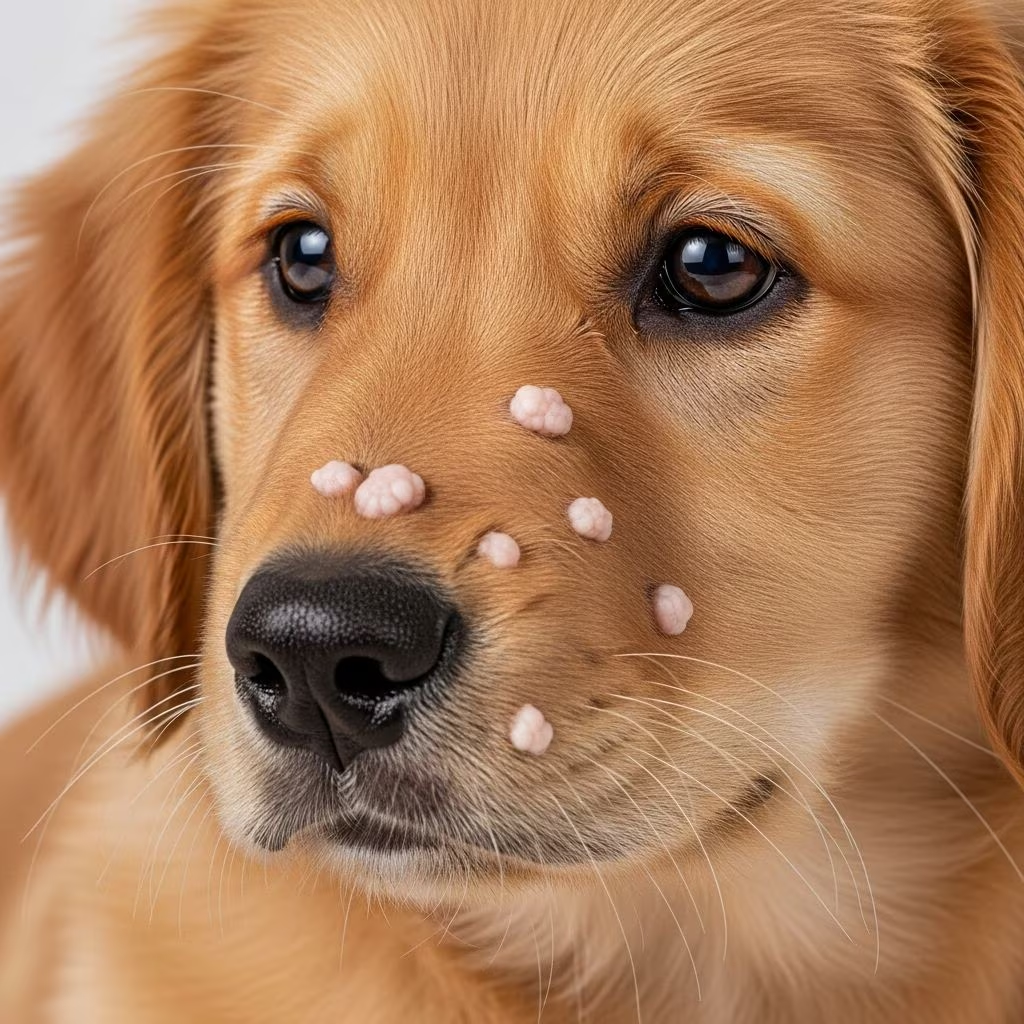
Young dogs frequently develop small, rough growths on their skin or mucous membranes known as warts or papillomas. These are typically benign and caused by specific viruses that target canine species exclusively. Most cases resolve without intervention as the puppy’s immune system matures, offering reassurance to concerned pet owners.
Understanding the Nature of Canine Warts
Canine warts, or viral papillomas, arise from infection with papillomaviruses unique to dogs. These viruses prompt excessive cell growth in the skin, forming cauliflower-like bumps. Unlike human warts, dog versions do not cross species barriers and pose no risk to people or other pets.
The growths often appear in clusters, particularly around the mouth, lips, gums, or eyelids in puppies under two years old. Their texture is rough and irregular, distinguishing them from smoother sebaceous growths common in older dogs. Puppies are prime targets because their developing immune systems struggle to suppress the virus initially.
How Papillomavirus Spreads in Dogs
Transmission occurs via direct contact with an infected dog or indirectly through contaminated surfaces like shared bowls, bedding, or grooming tools. The virus thrives in environments for weeks, entering through minor skin breaks from play, scratches, or insect bites.
- Direct dog-to-dog contact during play or sniffing.
- Environmental persistence on toys, floors, or water sources.
- Entry points: cuts, abrasions, or mucous membrane exposure.
Once inside, it takes 4-6 weeks for visible warts to emerge. Immunity to the specific strain develops post-infection, but multiple papillomavirus types exist, allowing reinfection with variants.
Spotting Warts on Your Puppy
Early detection starts with regular checks during grooming. Look for small, raised lesions that multiply quickly. Common sites include:
| Location | Typical Appearance | Age Group Affected |
|---|---|---|
| Mouth and lips | Cauliflower clusters, pale or flesh-colored | Puppies <2 years |
| Eyelids/eyes | Small, pedunculated bumps | Young dogs |
| Feet/paws | Rough, wart-like pads | All ages, less common |
| Genitals | Moist, irregular growths | Young adults |
Symptoms are usually absent unless growths interfere with eating, cause drooling, or become irritated. Watch for bleeding, swelling, or foul odor signaling secondary bacterial infection.
Why Puppies Are Most Susceptible
Immature immunity in puppies under 12 months allows the virus to proliferate unchecked. Older dogs or adults with robust defenses rarely show signs, carrying the virus asymptomatically. Factors heightening risk include:
- Recent weaning or stress from new environments.
- Immunosuppressive conditions or medications.
- Boarding, dog parks, or multi-pet households.
Seniors with weakened immunity may also develop them, though less frequently than juveniles.
Natural Resolution: The Typical Course
In 90% of cases, warts vanish spontaneously within 1-5 months as antibodies form. The immune response targets and eliminates infected cells, preventing recurrence from the same strain. Patience is key; forcing removal early can spread the virus or cause complications.
Monitor progress: growths peak at 4-8 weeks post-appearance, then shrink and flake off. Full clearance leaves no scarring.
When Warts Demand Veterinary Attention
Most require no action, but intervene if:
- Present over 3-5 months without improvement.
- Causing pain, lameness, eating issues, or eye problems.
- Bleeding, ulcerated, or secondarily infected.
- Sudden growth in adult dogs (rule out malignancy).
Vets diagnose via exam, cytology, or biopsy to exclude tumors. Rarely, persistent warts may transform, warranting checks.
Veterinary Treatment Options
For problematic cases, options boost immunity or remove growths:
- Immunostimulants: Interferon injections or oral azithromycin to rally defenses.
- Topicals: Imiquimod cream for antiviral effects.
- Surgery/Cryotherapy: Freezing or excision for isolated/large warts.
- Vaccines: Autologous from dog’s own tissue to trigger response.
Avoid home remedies like vitamin E without guidance; they risk irritation.
Preventing Spread to Other Dogs
Isolate affected puppies from others until resolution. Disinfect environments with bleach solutions (1:30 dilution). Limit dog park visits during outbreaks. No commercial vaccine exists, but hygiene curbs transmission.
Differentiating Warts from Serious Conditions
Not all bumps are viral. Compare:
| Feature | Viral Papilloma | Other Growths |
|---|---|---|
| Age | Young dogs | Any, often older |
| Multiplicity | Clusters | Solitary |
| Texture | Cauliflower | Smooth/firm |
| Resolution | Self-limits | Persists/grows |
Mast cell tumors or sebaceous adenomas mimic warts; biopsy confirms.
Home Monitoring and Care Tips
Daily inspections prevent complications. Keep areas clean, discourage licking/pawing. Nutritional support with immune-boosting diets aids recovery. Consult vets promptly for changes.
Frequently Asked Questions
Are dog warts contagious to humans?
No, canine papillomavirus only affects dogs.
How long do puppy warts last?
Typically 1-5 months, self-resolving.
Can I remove warts at home?
Not recommended; risks infection/bleeding. See a vet.
Do warts hurt my puppy?
Usually not, unless infected or obstructive.
Will my dog get warts again?
Immune to that strain, but other types possible.
Long-Term Outlook for Affected Puppies
Post-resolution, dogs gain lifelong strain-specific immunity. Healthy lifestyles minimize recurrence risks. Regular vet checkups ensure early detection of any issues, promoting overall vitality.
(Word count: 1678)
References
- Warts in Dogs – PetMD — PetMD. 2023. https://www.petmd.com/dog/conditions/all-about-dog-warts-types-causes-and-treatments
- Warts (Papillomatosis) in Dogs – Vetster — Vetster. 2024. https://vetster.com/en/conditions/dog/warts-papillomatosis
- Dog Warts: What are They and What Causes Them? – Hill’s Pet — Hill’s Pet Nutrition. 2023. https://www.hillspet.com/dog-care/healthcare/dog-warts
- Dog Warts – Vets4Pets — Vets4Pets. 2024. https://www.vets4pets.com/pet-health-advice/dog-advice/dog-warts/
- Canine Papilloma Virus: Cause, Treatment & Cost Of Dog Warts – Pawlicy — Pawlicy Advisor. 2023. https://www.pawlicy.com/blog/oral-papilloma-virus-in-dogs/
- Natural Wart Remedies in Dogs – WagWalking — WagWalking. 2023. https://wagwalking.com/treatment/natural-wart-remedies
- Oral Papillomas in Dogs: Severe Cases, Symptoms, and Treatment – North Bay Vet Dentist — North Bay Veterinary Dentistry. 2024. https://northbayvetdentist.com/oral-papillomas-in-dogs-severe-cases-symptoms-and-treatment/



