

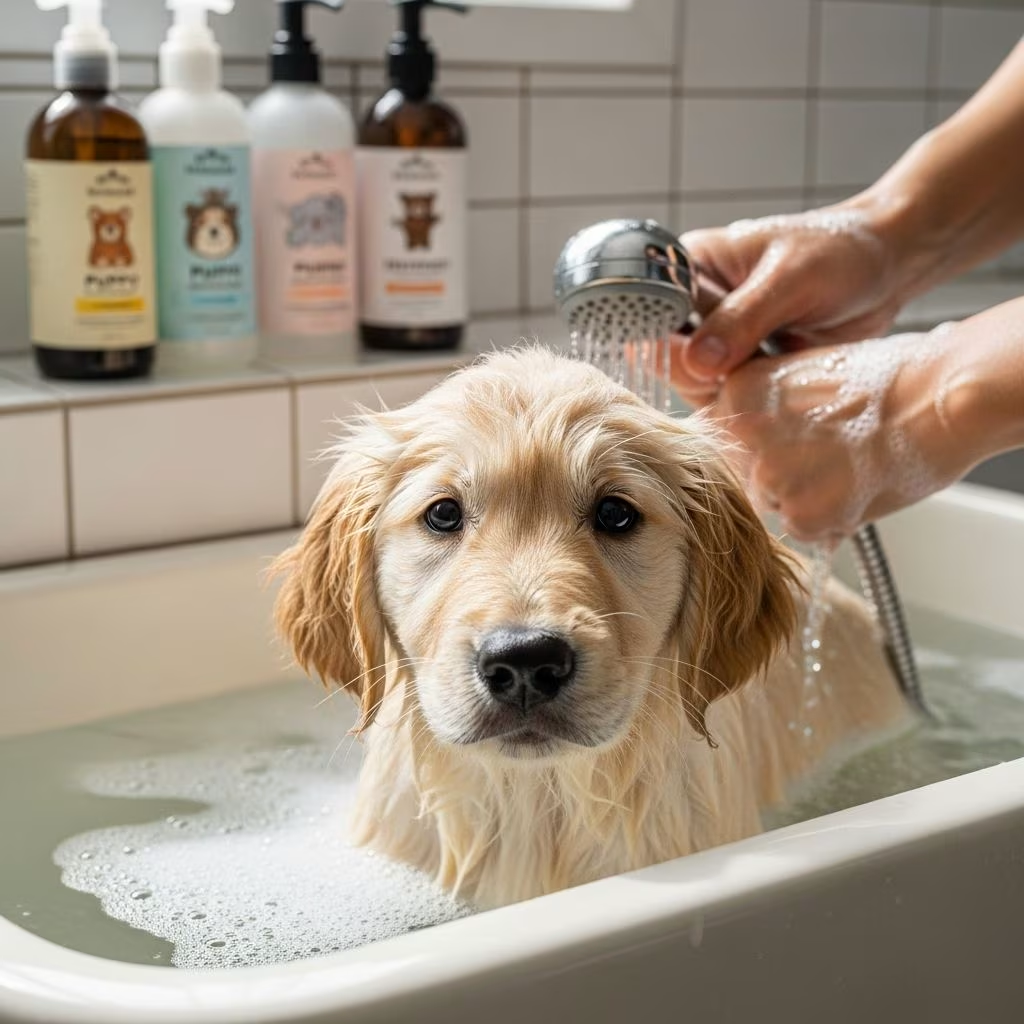
The early months of a puppy’s life represent a critical developmental window for skin and coat health. During this formative period, young dogs require bathing products specifically engineered to address their unique physiological needs. Unlike adult dogs, puppies possess thinner, more permeable skin with a developing microbiome and reduced natural oil production. This biological reality necessitates a fundamentally different approach to cleansing than what works for mature canines.
A puppy’s skin barrier is substantially more vulnerable to environmental stressors and chemical irritants. The protective lipid layer that shields adult dog skin is still establishing itself in young animals, making them susceptible to moisture loss and penetration of potentially harmful substances. Consequently, using shampoos formulated for adult dogs—or worse, human grooming products—can compromise this developing barrier and lead to complications that may affect the dog throughout its lifetime.
Why Puppies Need Specialized Cleansing Formulations
Selecting appropriate grooming products for puppies extends beyond marketing terminology and brand recognition. The biological differences between puppy and adult dog skin are substantial and warrant careful product selection. Puppies demonstrate heightened sensitivity to chemical compounds, fragrances, and detergent systems that adult dogs may tolerate without difficulty.
Inappropriate shampoo selection during critical growth stages can result in immediate discomfort and long-term consequences. Harsh cleansing agents strip away protective sebum, leaving skin dry, flaky, and prone to irritation. Some puppies exposed to inappropriate products during early grooming experiences may develop anxiety or resistance to future bathing, creating behavioral challenges that persist into adulthood.
Ingredient Analysis for Puppy Formulations
The foundation of effective puppy shampoo selection rests on understanding active and supporting ingredients. Products marketed toward young dogs should prioritize mild cleansing agents over aggressive detergent systems. Look for formulations featuring recognized soothing compounds such as colloidal oatmeal and aloe vera, which support skin comfort while maintaining the integrity of natural protective oils.
Examine ingredient lists carefully, as many products labeled for puppies still incorporate unnecessarily harsh components. Extended ingredient lists often signal complex chemical systems designed for specific cleaning challenges rather than general puppy care. Shorter, more straightforward formulations typically prove more suitable for developing skin.
- Aloe vera: Provides natural soothing properties and supports skin hydration without disrupting the protective barrier
- Colloidal oatmeal: Delivers anti-inflammatory benefits and helps maintain moisture balance in developing skin
- Natural emollients: Plant-based oils and extracts restore and protect the skin’s lipid layer
- Mild surfactants: Gentle cleansing agents that remove dirt without stripping essential oils
Substances to Exclude From Puppy Grooming Routines
Certain chemical components pose unnecessary risks to developing canine skin and should be systematically avoided. Harsh detergents designed for heavy-duty degreasing exceed the cleansing requirements of puppies and compromise skin barrier function. Heavy fragrance systems, whether synthetic or natural, can overwhelm sensitive olfactory systems and trigger allergic responses.
Products formulated to provide extreme deodorizing, permanent stain removal, or long-lasting fragrance retention typically rely on aggressive chemical systems unsuitable for young animals. These formulations prioritize performance characteristics over skin safety and represent poor choices for grooming young dogs.
- Artificial colorants and dyes that provide no grooming benefit and increase sensitivity risk
- Parabens and other chemical preservatives associated with potential endocrine disruption
- Sulfates that strip natural oils and disrupt skin pH balance
- Phthalates used in synthetic fragrance systems that may trigger allergic responses
- Overly concentrated essential oils that can irritate sensitive puppy skin
Matching Formulations to Individual Puppy Skin Conditions
Puppy skin presents diverse needs depending on genetic predisposition, environmental factors, and individual sensitivity profiles. Standard formulations serve puppies with normally functioning skin barriers, but many young dogs require targeted support for specific conditions. Understanding your puppy’s particular skin characteristics enables precise product selection that addresses actual needs rather than generic concerns.
Puppies prone to flaking or mild dandruff benefit from moisturizing-focused formulations that emphasize hydration and balance restoration rather than aggressive treatment. These preventative approaches prove more effective during development stages than corrective interventions applied after problems become established. Early intervention with appropriate products helps establish healthy skin microbiomes and minimizes future dermatological challenges.
Addressing Dry Skin in Young Dogs
Puppies with naturally dry skin require formulations that prioritize hydration and barrier restoration. Moisturizing shampoos designed for this purpose work by lubricating skin and supporting the protective lipid layer. Non-prescription oatmeal-based products represent excellent routine choices for maintaining skin comfort in young dogs with dryness concerns.
Managing Mild Dandruff and Flaking
When puppies display mild seborrheic conditions characterized by flaking or oiliness, specialized shampoos help break down accumulated dead skin cells while maintaining overall skin balance. These formulations address the underlying causes of flaking without resorting to harsh medicated approaches that may be unnecessary during early development.
Supporting Sensitive and Reactive Skin
Some puppies demonstrate inherent sensitivity or allergic responses to common grooming ingredients. These young dogs benefit from hypoallergenic formulations free from artificial colors, fragrances, and harsh chemicals. Dermatologist-formulated products designed specifically for sensitive skin types provide reliable support for reactive puppies.
Fragrance Considerations in Puppy Products
While pleasant scents can enhance the bathing experience, fragrance should never compromise skin health or create unnecessary irritation. Puppies possess sensitive olfactory systems and developing skin that react poorly to strong perfume systems. When evaluating scented options, prioritize formulations explicitly labeled for puppies with restrained fragrance levels.
Heavy, lingering scents indicate aggressive fragrance systems that may trigger adverse reactions in sensitive young dogs. A mild, clean-smelling formula provides sufficient freshness between bathing sessions without exposing developing skin to chemical irritants. Fragrance-free options represent the safest choice for puppies with demonstrated sensitivities or extreme delicacy.
Understanding Dermatologist-Formulated Products
Veterinary dermatologists have developed specialized shampoo formulations that align with canine skin physiology and developmental requirements. Products bearing dermatologist formulation designations typically undergo rigorous testing and incorporate ingredients selected specifically for safety and efficacy in young animals. These formulations prioritize skin health and barrier support over aggressive cleaning performance.
Soap-free formulations represent another critical consideration when evaluating puppy products. Traditional soap-based cleansers wash away dirt and debris but simultaneously disrupt the natural skin barrier. Soap-free alternatives achieve effective cleansing while preserving protective mechanisms essential during puppy development.
Eye Safety and Tearless Formulations
Bath time inevitably involves occasional product contact with young dogs’ eyes. Puppies require formulations explicitly engineered to prevent stinging and discomfort during accidental ocular exposure. Tearless shampoos designed for puppies and kittens under four months of age provide essential safety features that protect sensitive young eyes without compromising cleansing effectiveness.
These specialized formulations work excellently as facial shampoos for older dogs requiring gentle eye-area cleansing. The safety characteristics that make tearless products appropriate for young animals make them equally suitable for any dog with extremely sensitive or delicate skin requiring facial grooming.
Frequency and Best Practices for Puppy Bathing
Determining appropriate bathing frequency depends on individual puppy activity levels, coat characteristics, and specific skin conditions. Most healthy puppies require bathing only when visibly soiled or according to grooming preparation needs. Over-bathing strips natural oils and can trigger or exacerbate skin problems even when using appropriate formulations.
Establish positive associations with grooming during puppyhood by maintaining comfortable water temperatures, using gentle handling techniques, and rewarding cooperative behavior. Early bathing experiences shape lifetime attitudes toward grooming and bathing, making pleasant introductions to appropriate products a valuable long-term investment.
Comparing Common Puppy Shampoo Types
| Shampoo Type | Primary Purpose | Best For | Key Characteristics |
|---|---|---|---|
| Hypoallergenic formulations | Minimize allergic reactions and irritation | Sensitive and reactive puppies | Free from artificial colors, fragrances, and harsh chemicals; focus on gentle cleansing |
| Moisturizing shampoos | Restore hydration and support barrier function | Puppies with dry skin or flaking | Contain emollients and soothing ingredients; preserve natural oils during cleansing |
| Oatmeal-based products | Provide anti-inflammatory support and comfort | Routine use in young dogs with mild skin sensitivity | Non-prescription formulations suitable for regular grooming and maintenance |
| Tearless formulations | Protect eyes from irritation during bathing | All puppies; essential for young dogs under four months | Engineered for safe ocular contact; works excellently as facial cleanser |
| Coconut-based formulations | Support skin health through natural emollients | Puppies requiring extra moisturization and barrier support | Mild cleansing; natural ingredient focus; soothing properties |
Reading Labels and Identifying Quality Products
Effective label reading requires understanding ingredient hierarchies and recognizing marketing language that may not reflect actual product composition. Ingredients listed first constitute the primary formula components, with subsequent entries representing supporting elements. This sequential arrangement guides assessment of whether a product truly prioritizes gentle cleansing and skin support.
Terms like “natural,” “gentle,” and “hypoallergenic” carry different meanings across manufacturers and lack standardized regulatory definitions. Substantiate marketing claims by examining actual ingredient lists rather than accepting label language at face value. Dermatologist recommendations and veterinary endorsements provide more reliable quality indicators than marketing terminology alone.
Age-Appropriate Product Selection Guidelines
Puppy development stages warrant adjustments to grooming product selection. Very young puppies under four months benefit particularly from tearless, extra-gentle formulations that minimize any risk of eye irritation or skin disruption. As puppies progress beyond this critical early stage, standard gentle puppy formulations appropriate for their specific skin type become suitable.
Always verify age recommendations on product labels and consult veterinary guidance when uncertainty exists. Some specialized formulations target specific age ranges with ingredient profiles optimized for those developmental windows. Matching product selection to your puppy’s current developmental stage ensures maximal safety and efficacy.
Professional Grooming Considerations for Young Dogs
When utilizing professional grooming services, confirm that facilities use appropriate puppy formulations rather than standard adult dog products. Communicate your puppy’s specific skin needs and any sensitivities to ensure groomers select suitable products during services. Professional groomers familiar with puppy physiology understand the importance of gentle product selection and specialized handling techniques.
Establishing early positive grooming experiences through professional handlers during puppyhood can significantly influence lifetime comfort with bathing and grooming procedures. Choose grooming facilities that demonstrate knowledge of puppy-specific requirements and prioritize gentle handling alongside appropriate product selection.
Frequently Asked Questions About Puppy Shampoo Selection
Can I use adult dog shampoo on my puppy?
No. Adult dog shampoos contain detergent systems and chemical profiles inappropriate for developing puppy skin. These formulations can strip protective oils, cause irritation, and potentially trigger long-term skin sensitivities. Always use products specifically formulated for puppies.
How often should I bathe my puppy?
Most puppies require bathing only when visibly soiled or as part of preparation for specific events. Over-bathing compromises skin barrier function even with appropriate formulations. Establish bathing frequency based on your puppy’s activity level and coat characteristics rather than adhering to rigid schedules.
What ingredients should I specifically avoid?
Exclude artificial dyes, parabens, sulfates, phthalates, and overly concentrated fragrances. These components serve no grooming benefit and increase sensitivity risks. Read ingredient lists carefully and select formulations featuring simple, clearly purposeful components.
Is expensive shampoo always better quality?
Price alone does not indicate quality or suitability. Evaluate products based on ingredient profiles, dermatologist formulation status, and veterinary recommendations rather than cost. Many affordable options provide excellent gentle cleansing appropriate for puppies.
What should I do if my puppy develops skin reactions?
Discontinue the product immediately and consult your veterinarian. Puppy skin reactions may indicate genuine allergies or sensitivities requiring professional evaluation. Your veterinarian can recommend specific products or formulations appropriate for your individual puppy’s needs.
Conclusion: Establishing Lifelong Grooming Foundation
Puppy shampoo selection represents more than a practical grooming decision—it establishes the foundation for lifelong skin health and grooming comfort. Products used during critical developmental windows influence long-term skin barrier function, microbiome establishment, and behavioral associations with bathing procedures. Prioritizing gentle, appropriately formulated products during puppyhood protects developing skin while creating positive grooming experiences that benefit adult dogs throughout their lives.
Choose formulations that clean effectively without relying on harsh detergents, heavy fragrances, or unnecessary additives. Whether addressing dry skin, mild flaking, or routine bathing needs, gentle products that support rather than compromise skin health establish optimal conditions for healthy development. This foundational approach to puppy grooming yields benefits that extend far beyond puppyhood into the dog’s mature years.
References
- How To Choose A Puppy Shampoo — VCA Animal Hospitals. Retrieved from https://vcahospitals.com/pediatric/puppy/prep-supplies/how-to-choose-a-puppy-shampoo
- Finding the Right Shampoo for Your Dog — American Kennel Club. Retrieved from https://www.akc.org/expert-advice/health/dog-shampoos/
- Selecting The Right Shampoo For Your Dog’s Skin And Coat Care — Missouri Veterinary Dermatology. Retrieved from https://missourivetderm.com/blog/selecting-the-right-shampoo-for-your-dogs-skin-and-coat-care/
- How to Choose the Best Dog Shampoo — Pet Releaf. Retrieved from https://petreleaf.com/blogs/blog/how-to-choose-the-best-dog-shampoo
- Best Dog Shampoos—And Which Type Is Best for Your Dog — TropiClean. Retrieved from https://tropiclean.com/blogs/dog-grooming/types-of-dog-shampoos-and-which-one-is-best-for-your-dog



