

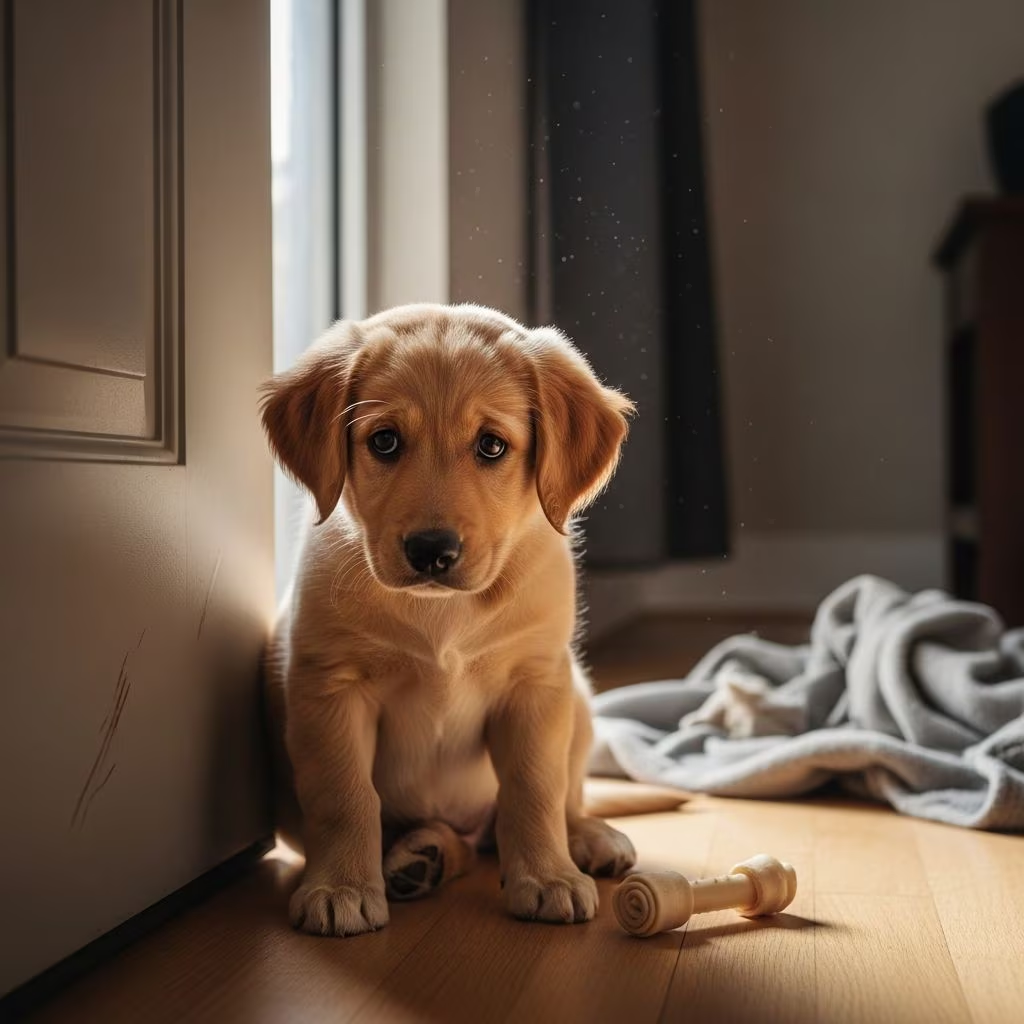
Bringing home a new puppy is joyful, but the first time you close the door and leave them alone can feel stressful for both of you. Many puppies cry, bark, or chew when left on their own, and it can be hard to tell what is normal clinginess and what might be separation anxiety. This guide explains what puppy separation anxiety is, how to recognize it, and how to help your dog feel safe and relaxed when you are not there.
What Is Puppy Separation Anxiety?
Puppy separation anxiety is an emotional and behavioral disorder in which a dog experiences intense distress when separated from their primary caregiver or left alone, even for short periods. It goes beyond mild whining or boredom and reflects a genuine panic response. In clinical terms, it is considered a form of fear- and anxiety-related behavior, not disobedience or spite.
Research shows that separation-related behaviors are common, especially as people return to work or change routines after spending long hours at home with their pets. Many owners also report feeling anxious or guilty themselves, and this human stress can influence a dog’s emotional state.
Normal Puppy Behavior vs. Separation Anxiety
Most puppies will show some mild distress when they first experience being alone. The key difference is intensity and persistence:
- Typical adjustment: Brief whining or pacing that settles within a few minutes; behavior improves with gradual practice.
- Separation anxiety: Escalating vocalization, destruction, or attempts to escape that may last the entire absence and often worsen over time if not addressed.
If your puppy seems completely unable to settle when you are gone, or if neighbors report constant noise, it is wise to treat it as potential separation anxiety and start structured support early.
Signs and Symptoms of Puppy Separation Anxiety
Dogs with separation anxiety typically show a cluster of behaviors that appear only or primarily when they are separated from their person. Common signs include:
- Persistent barking, whining, or howling shortly after you leave and continuing for long periods.
- Destructive chewing or scratching, often focused on doors, windows, crates, or exit points.
- Indoor urination or defecation despite being house-trained, occurring mainly when left alone.
- Attempting to escape crates, rooms, or the house, sometimes causing self-injury.
- Excessive drooling, panting, or pacing linked to your departure cues.
- Shadowing you from room to room and becoming distressed when doors close between you.
Because some of these behaviors can also result from boredom, lack of exercise, or medical problems, it is important to rule out other causes with your veterinarian and, if needed, a qualified behavior professional.
Why Do Puppies Develop Separation Anxiety?
There is no single cause of separation anxiety; instead, it arises from a mix of early experiences, environment, genetics, and the human–dog relationship. Common contributing factors include:
- Sudden changes in routine, such as a new job schedule, moving homes, or children returning to school after holidays.
- Lack of gradual alone-time training during puppyhood, especially when owners are home most of the time.
- Strong, anxious attachment from the human side, where owners struggle to be away from their dog and the dog learns to depend heavily on constant contact.
- Previous negative experiences when alone, such as being startled, left for too long too soon, or confinement that felt unsafe.
- Individual temperament; some dogs are more fearful or sensitive by nature, which can raise the risk of anxiety disorders.
| Potential Triggers | Protective Factors |
|---|---|
| Sudden long absences after constant togetherness | Gradual build-up of alone time from a few minutes to hours |
| Lack of mental and physical exercise | Daily walks, play, and enrichment before absences |
| Chaotic goodbyes and emotional returns | Calm, brief departures and low-key greetings |
| Inconsistent rules or schedules | Predictable routines for feeding, rest, and outings |
How Your Emotions Influence Your Puppy
Dogs are highly attuned to human body language, tone, and daily patterns. Studies and clinical experience indicate that pets can mirror our emotional states by observing how we move and behave, rather than through any special “sixth sense.”
When you pace, sigh, and deliver dramatic goodbyes, your puppy may interpret these cues as signs that something is wrong, which can amplify their anxiety about being left. Behavior professionals often encourage owners to keep departures and returns low-key, modeling calm confidence for their dog.
There is also growing evidence that anxious attachment styles in owners are associated with increased anxiety about their pets and can shape the way they respond to clingy or distressed behavior. Supporting both human and animal emotional health is often the most effective way to break this feedback loop.
Guilt, Worry, and the Human Side of Separation
Many puppy parents feel intense guilt leaving their dog at home, especially if the dog vocalizes or appears distressed. Mental health professionals note that this guilt can connect to broader patterns like fear of abandonment, difficulty tolerating uncertainty, or perfectionism in caregiving. While it is a sign of deep care, it can lead owners to:
- Cancel social plans or work opportunities to stay with their dog.
- Check cameras obsessively and interpret every movement as a problem.
- Avoid alone-time practice, which actually prolongs the dog’s discomfort.
Framing separation as a healthy life skill for your puppy, rather than a betrayal, can ease this guilt. You care for them not only by comforting them now, but also by teaching them to feel secure without you in the room.
Preventing Separation Anxiety in Puppies
Prevention is often easier than treatment. Building independence from the start can greatly reduce the risk of severe separation anxiety. Key prevention strategies include:
- Introduce alone time early: Even if you work from home, schedule short periods where your puppy is safely confined in another room with a chew or toy while you are out of sight.
- Create positive associations: Reserve special treats or food-dispensing toys for times when you step away, so your absence predicts good things.
- Keep greetings and goodbyes neutral: Use a calm voice, brief phrases like “See you later,” and avoid big emotional scenes.
- Meet their needs first: A puppy who has had exercise, mental stimulation, food, and an opportunity to relieve themselves is more likely to rest while you are gone.
- Normalize brief separations: Close doors occasionally, spend time in different rooms, and avoid allowing constant physical contact whenever you are home.
Step-by-Step Training Plan to Build Confidence
For puppies already showing signs of distress, a structured training plan using desensitization and counterconditioning can help them learn that separations are safe. Work at your puppy’s pace and avoid making big jumps in duration.
1. Start With Very Short Distances
- Teach a relaxed “settle” on a bed or mat using treats and calm praise.
- Step one or two feet away for a second or two, then return and reward if your puppy stays calm.
- Gradually increase the distance and time, aiming for your puppy to remain relaxed rather than merely tolerating the exercise.
2. Add Door Movements and Exits
- Practice moving toward the door, touching the handle, or opening and closing it without leaving, rewarding calm behavior at each stage.
- Once your puppy can stay relaxed during these cues, step briefly outside for a second or two, then return and reward.
- Keep early sessions very short and frequent rather than pushing for long absences right away.
3. Gradually Increase Alone Time
- Use a timer and increase the duration in tiny increments—e.g., 30 seconds, 1 minute, 2 minutes—only moving up when your puppy has had several successful, calm repetitions at the current level.
- Rotate between real departures (leaving the home) and “mock” departures (stepping into another room) so your puppy learns that all versions of you leaving are safe.
- If your puppy shows signs of panic—intense barking, scratching, or panting—shorten the duration next time; do not punish them for being afraid.
4. Use Enrichment to Support Training
Food puzzles, stuffed toys, and long-lasting chews can help occupy your puppy’s mind and build positive associations with alone time. Behavior organizations often recommend pairing departures with high-value, safe chew items and removing them when you return so the dog connects them specifically with being alone.
Helpful Tools and Calming Aids
Training and routine changes are the foundation of separation anxiety support, but some puppies benefit from additional tools. Discuss options with your veterinarian or behaviorist, as not every tool is appropriate for every dog.
- Pheromone diffusers or collars: Synthetic dog-appeasing pheromones aim to mimic the calming scent mother dogs release for their puppies.
- Background sound: Soft music, white noise, or audiobooks may help some dogs relax by masking external noises.
- Safe confinement areas: Crates, exercise pens, or puppy-proofed rooms can prevent destructive behavior and keep your puppy safe if they are introduced slowly and positively.
- Veterinary-guided medication: In moderate to severe cases, anti-anxiety medications may be recommended alongside behavior modification to reduce distress and make training more effective.
When to Seek Professional Help
If your puppy’s distress is intense, persistent, or worsening despite your efforts, it is time to involve professionals. Early intervention can prevent patterns from becoming deeply ingrained and improve quality of life for both you and your dog.
- Veterinarian: To rule out medical issues, discuss behavior changes, and explore whether medication or supplements might be indicated.
- Certified dog trainer or behavior consultant (with experience in separation-related problems): To design a customized step-by-step plan and coach you through implementation.
- Veterinary behaviorist: For complex or severe cases, particularly when multiple behavior issues or safety concerns are present.
- Mental health support for owners: If your own anxiety or guilt is overwhelming, working with a therapist familiar with attachment and pet loss can be helpful.
Frequently Asked Questions (FAQs)
Q: How long can I safely leave my puppy alone?
A: Very young puppies often manage only 1–2 hours at a time before they need a break for toileting, food, or social contact. As they mature and with proper training, many dogs can eventually tolerate being alone for 4–6 hours, but this varies widely. Focus less on a single number and more on your individual dog’s comfort and behavior.
Q: Will my puppy simply grow out of separation anxiety?
A: Mild clinginess can improve as puppies gain confidence, but clinically significant separation anxiety rarely disappears on its own. Without a plan, it can become more entrenched over time. Structured training, routine, and sometimes professional help are usually needed.
Q: Is crate training good or bad for separation anxiety?
A: A crate that has been introduced gradually with positive associations can feel like a safe den for some dogs. For others, confinement increases panic and may worsen escape attempts. Watch your puppy’s body language: relaxed posture and quiet rest suggest the crate is helpful; frantic barking, biting at bars, or injury indicate it is not the right choice.
Q: Are cameras or dog monitors useful?
A: Cameras can be extremely helpful for assessing how your puppy behaves in your absence and for tracking progress. However, constant checking can fuel human anxiety. Set specific times to review footage and use it to inform training steps rather than to worry minute by minute.
Q: Can getting a second dog fix my puppy’s separation anxiety?
A: Adding another pet rarely resolves true separation anxiety because the problem is usually about separation from the human, not being physically alone. In some cases, a calm, confident dog can model relaxed behavior, but introducing a second dog is a major commitment and should not be viewed as a quick solution.
References
- Separation Anxiety in Dogs — American Veterinary Medical Association. 2020-06-01. https://www.avma.org/resources-tools/pet-owners/petcare/separation-anxiety-dogs
- Who Really Has the Separation Anxiety—You or Your Dog? — Kinship. 2023-08-10. https://www.kinship.com/dog-behavior/stress-leaving-dog-alone
- Who Has More Separation Anxiety — You or Your Dog? — Kinship. 2021-09-15. https://www.kinship.com/dog-behavior/pandemic-separation-anxiety-study-2021
- Pet and Owner Personality and Mental Wellbeing Associate With Insecure Attachment in Human–Pet Relationships — Jokela M, et al., Heliyon. 2023-10-01. https://www.ncbi.nlm.nih.gov/pmc/articles/PMC10709106/
- Separation Anxiety in Dogs — ASPCA. 2022-03-01. https://www.aspca.org/pet-care/dog-care/common-dog-behavior-issues/separation-anxiety



