

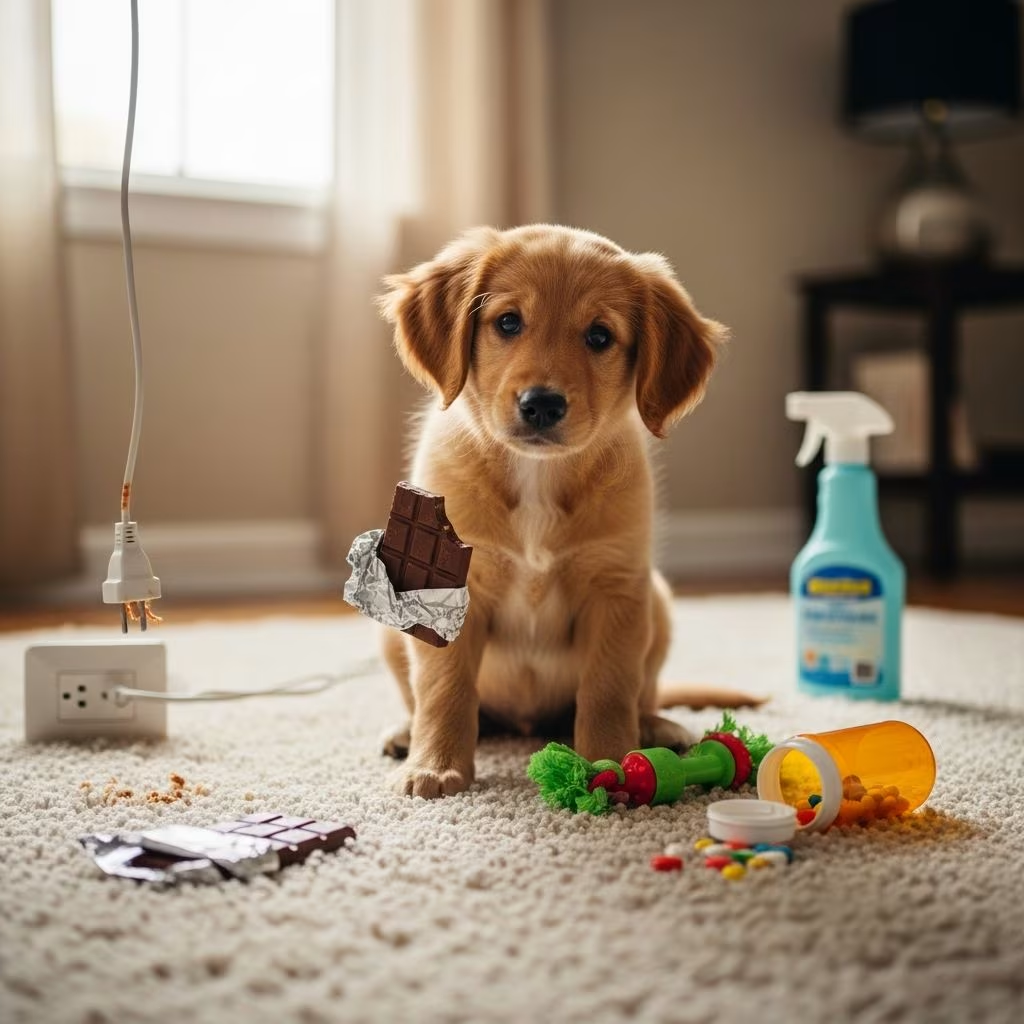
Welcoming a puppy into your home brings immense joy, but it also comes with significant responsibility. Young puppies are naturally curious, lack awareness of danger, and possess developing immune systems that make them vulnerable to various threats. Understanding the specific hazards that pose risks to puppies during their first year enables pet owners to create a safer environment and make informed decisions about preventive care. This comprehensive guide explores the major categories of puppy dangers and provides practical strategies for protecting your new companion.
Physical Injuries and Environmental Hazards
Puppies explore their world through movement and play, making them susceptible to injuries that might not affect adult dogs. Their bones are still developing and lack full density, meaning falls, impacts, and rough handling can result in fractures more easily than with mature dogs. Broken bones represent one of the most common accidents veterinarians treat in young dogs, often resulting from falls from furniture, being stepped on, or rough play activities.
The home environment requires careful evaluation before bringing a puppy inside. Electrical cords present an obvious hazard—puppies may chew on live wires, causing burns or electrocution. Sharp objects including needles, pins, glass, and metal items should be stored securely. Household furniture with unstable legs or surfaces that could collapse when jumped on should be identified and either secured or made inaccessible. Stairs pose particular challenges for young puppies with developing coordination and balance; using baby gates to restrict access until they grow stronger and more coordinated can prevent tumbles.
Outdoor spaces require equally careful preparation. Gaps in fencing allow escapes while creating opportunities for injury from external hazards. Toxic plants common to many yards—including sago palms, lilies, azaleas, and foxglove—can cause serious poisoning if ingested. Standing water in buckets, pools, or ponds may harbor bacteria like leptospirosis, which spreads through contaminated water and poses risks to both dogs and humans. Loose mulch, gravel, and small stones can be swallowed and create intestinal blockages.
Toxic Substances and Poisoning Risks
Puppies investigate their surroundings by mouthing and ingesting objects, making accidental poisoning a genuine concern. Common household items that prove toxic include chocolate, grapes, raisins, avocado, and foods containing xylitol (an artificial sweetener). Medications intended for humans—particularly painkillers—account for a significant portion of puppy poisoning cases requiring veterinary intervention. These substances should be stored in puppy-inaccessible locations, preferably in locked cabinets or high shelves.
Garden chemicals including pesticides, herbicides, and fertilizers pose serious threats. Even products labeled as pet-safe can cause problems if ingested in large quantities. Antifreeze and other automotive fluids have a sweet taste that appeals to puppies but can prove fatal in small amounts. Cleaning products, detergents, and air fresheners should be treated as hazardous materials and kept away from curious mouths.
Foreign body ingestion represents a significant category of puppy emergencies. Small toys, rubber bands, string, plastic bags, and other household items can become lodged in the digestive tract, requiring surgical removal. Fish hooks and other sharp objects ingested accidentally create particularly dangerous situations. Establishing a habit of thoroughly checking the floor and play areas for small objects becomes an essential daily practice.
Infectious Diseases and Vaccination Importance
Puppies born with maternal antibodies gradually lose this protection during their first weeks of life, creating a critical window of vulnerability before vaccinations become fully effective. Parvovirus represents one of the most serious infectious threats, causing severe gastrointestinal illness with vomiting, diarrhea, lethargy, and loss of appetite. This highly contagious virus survives in the environment for extended periods and transmits easily through feces. Puppies should avoid public areas and ground contact in neighborhoods until fully vaccinated.
The combination vaccine protecting against distemper, hepatitis, leptospirosis, and parvovirus forms the foundation of puppy immunization protocols. Leptospirosis, transmitted through wildlife-contaminated water sources, poses dual threats as it affects both canines and humans. Skin conditions including demodectic mange—caused by mites living on normal skin—can cause severe problems in young puppies whose immune systems remain immature. Fleas commonly infect puppies even before they arrive home if mothers weren’t properly treated during pregnancy.
Grass seeds represent an underestimated infectious hazard, particularly in puppies with access to outdoor areas. These seeds easily lodge between paw pads and can migrate up the leg, causing infection and tissue damage if not promptly removed. Regular paw inspections after outdoor time help identify and address these problems early.
Behavioral Challenges and Training-Related Risks
Behavioral issues arising from inadequate training and socialization create cascading problems throughout a puppy’s life. Lack of appropriate training manifests in destructive behaviors, separation anxiety, unwanted aggression, and house-soiling issues that frequently lead to pet abandonment or, tragically, euthanasia. Establishing clear leadership, consistent rules, and positive reinforcement from the earliest days prevents many behavioral problems from developing.
Inappropriate play interactions pose underestimated risks, particularly with children. Rough play and tug-of-war games teach puppies that hands and arms are play objects, encouraging biting and mounting behaviors that become problematic in adult dogs. Running, screaming, and squealing by excited children can trigger predatory instincts, potentially resulting in injury. Physical games should employ toys as intermediaries, with puppies learning to fetch thrown objects rather than grabbing at human limbs.
Handling sensitivity develops when puppies lack early exposure to touching, grooming, and veterinary examination. Attempting nail trimming, ear cleaning, or tooth brushing on an adult dog who hasn’t been desensitized creates stress for both owner and animal. Beginning gentle handling sessions during puppyhood—touching paws, looking in ears, opening mouths—while providing positive associations through treats and play establishes comfort with necessary care procedures.
Dietary Hazards and Nutritional Concerns
Puppies require carefully balanced nutrition to support their rapid growth and development, but many common feeding practices create problems. Leaving food bowls down for leisure dining teaches puppies that food availability is constant, encouraging resource guarding behaviors and making portion control impossible. Feeding scheduled meals followed by bowl removal after 15 minutes establishes predictability and helps owners monitor consumption.
Table scraps and human food introduce both nutritional imbalances and specific toxins. Foods safe for adult dogs may prove dangerous for puppies with developing metabolisms. Overfeeding, even with appropriate puppy food, promotes rapid growth that stresses developing bones and joints, increasing injury susceptibility. Switching between multiple food brands rapidly can cause gastrointestinal upset; any dietary changes should occur gradually over 7-10 days.
Chewing-related dietary risks emerge as puppies use their mouths to explore and manage teething discomfort. Hard chew toys, real bones, and toys smaller than three inches in diameter pose choking and fracture risks. Rubber chew toys that are soft enough to indent with thumbnail pressure provide safer alternatives, directing the natural chewing instinct toward appropriate objects.
Uncontrolled Exploration and Wanderlust
Puppies lacking proper containment and supervision frequently escape yards, encounter traffic, contract diseases from other animals, or get lost. Complete yard inspection to identify gaps, weak fencing sections, and climbing opportunities prevents escapes. Dogs that persist in digging under or climbing over fences should never be allowed unsupervised outdoor access until the containment problem is addressed. Electric fencing installed at fence tops for climbers or bottoms for diggers provides additional security.
Microchipping represents essential insurance against separation, significantly improving reunion chances if a puppy becomes lost. Combined with proper identification tags and maintained contact information, microchipping creates multiple pathways to recovery. Enrollment in obedience classes teaches puppies to return reliably when called, providing another layer of protection against escape consequences.
Developmental Vulnerabilities and Immune System Maturation
Puppies’ immune systems undergo developmental changes throughout their first year, creating shifting vulnerability windows. Early developmental periods coincide with declining maternal antibody protection, creating intervals when puppies lack both maternal and vaccine-based immunity. Gastroenteritis claims represent among the most common veterinary issues in puppies under one year, with over 1,000 incidents recorded in recent insurance data. Urinary tract infections affect approximately 700 cases annually, while allergies account for roughly 450 documented cases.
Skin and paw injuries occur frequently due to developing immune responses and environmental exposure. Food allergies, though representing a smaller percentage of allergic skin disease, may manifest from puppyhood with flaky, itchy skin symptoms. Dermatitis and colitis each affect approximately 400 puppies annually based on insurance claim analysis.
Pain and discomfort signals in puppies often differ from adult presentations. Slowing on walks, lagging behind, scuffing nails on floors, pacing without settling, lying down excessively, panting without exercise, excessive linting of joints, and reluctance to jump or climb stairs may all indicate pain or illness requiring veterinary evaluation.
Practical Protective Strategies
Supervision and Containment: Never leave puppies unattended, especially during early months. When direct supervision isn’t possible, use crates or safe rooms to prevent destructive behaviors and dangerous exploration. Gradually extend freedom as puppies demonstrate trustworthiness.
Vaccination and Preventive Care: Follow veterinary-recommended vaccination schedules religiously. Discuss parasite prevention, flea and tick protection, and deworming protocols. Schedule regular health checks to identify developing problems early.
Environmental Modification: Eliminate visible hazards, secure electrical cords, store toxic substances safely, inspect fencing, and remove toxic plants. Create designated puppy play areas within safe, controlled spaces.
Training and Socialization: Engage in positive reinforcement training from the earliest days. Enroll in socialization classes to expose puppies to diverse experiences, people, and animals in controlled settings. Establish leadership through consistent rules, feeding schedules, and behavioral expectations.
Appropriate Play: Supervise all child-puppy interactions. Teach children and adults that rough play encourages problematic behaviors. Provide appropriate toys that cannot be easily destroyed or swallowed.
When to Seek Veterinary Care
Certain symptoms warrant immediate veterinary attention. Vomiting, diarrhea, lethargy, loss of appetite, difficulty breathing, suspected poisoning, trauma from falls or impacts, inability to urinate or defecate, excessive panting, or behavioral changes require professional evaluation. Early intervention often prevents manageable problems from becoming emergencies.
References
- Common Problems in Puppy’s 1st Year — The Urban Puppy Shop. https://theurbanpuppyshop.com/resources/common-problems-in-puppy-s-1st-year/
- The most common puppy problems according to a vet — NAPO. https://www.napo.pet/blog/the-most-common-puppy-problems-according-to-a-vet
- Your Puppy’s First Year — Altadena Valley Animal Clinic. https://www.altadenavalleyanimalclinic.com/your-puppy-s-first-year.html
- 7 Common Puppy Illnesses and How To Protect Your Pup — PetMD. https://www.petmd.com/dog/general-health/7-common-puppy-illnesses-and-how-to-protect
- Puppy Care 101: Vet-Approved Guide for the First Year — MedVet. https://www.medvet.com/puppy-care-vet-approved-guide/
- Educate Your Puppy Buyers on Common Illnesses — American Kennel Club. https://www.akc.org/expert-advice/health/common-puppy-illnesses/
- Common puppy illnesses to look out for — ManyPets. https://manypets.com/us/blog/common-puppy-illnesses/



