

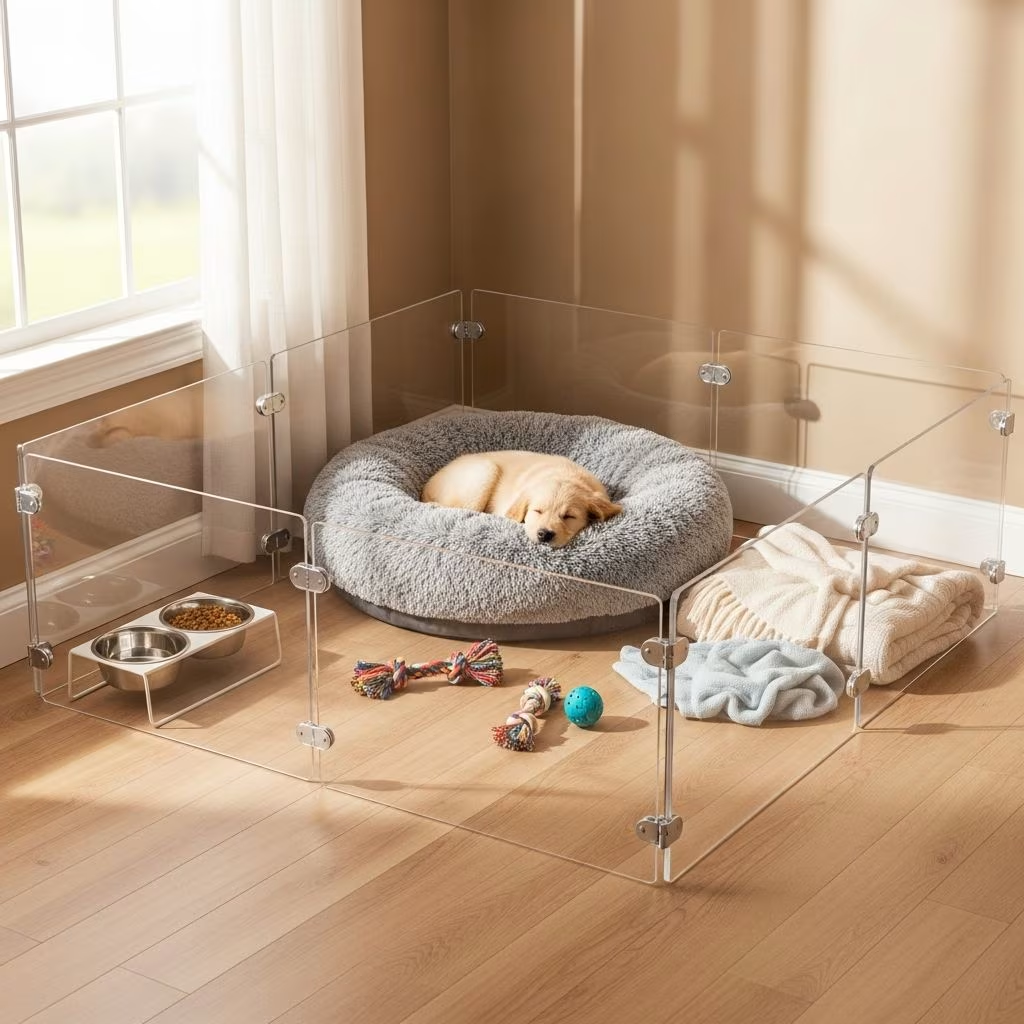
Creating a dedicated **safe zone** for your puppy is essential for their development, safety, and your peace of mind. This enclosed area serves as a comfortable retreat where puppies can rest, play, and learn self-entertainment skills during times of limited supervision. Properly designed, it minimizes destructive behaviors, aids in house training, and fosters independence. Drawing from established canine training practices, this guide outlines everything needed to establish an effective space tailored to your puppy’s needs.
Why Every Puppy Needs a Designated Safe Zone
Puppies are naturally curious explorers, but their energy often leads to chewing, accidents, or injuries without boundaries. A safe zone, often called a long-term confinement area, provides structure. It replicates a den-like environment, promoting calm while you’re busy. Benefits include faster potty training, reduced separation anxiety, and protection from household hazards like wires or toxic plants. Experts emphasize starting early—ideally before bringing your puppy home—to associate the space with positivity from the outset.
In the first weeks, puppies under 12 weeks spend much time sleeping and need frequent potty breaks. A well-equipped zone ensures they stay safe between outings, preventing chewed furniture or ingested dangers. Long-term, it builds confidence for alone time, crucial as they mature into adult dogs.
Selecting the Perfect Location in Your Home
Choose a spot that’s quiet, accessible, and away from high-traffic family areas to minimize distractions and whining. Ideal choices include:
- Guest bedrooms or unused offices for privacy.
- Laundry rooms or finished basements (avoid furnace areas due to heat and noise).
- Kitchen corners if gated off, but not in main living spaces where visibility tempts protests.
Avoid placing the zone where the puppy can see you cooking, watching TV, or interacting—this heightens frustration. Opt for easy-to-clean floors like tile or laminate; if carpeted, add protective mats such as tarps or chair pads. Ensure proximity to an exterior door for quick potty trips, and good ventilation without drafts.
Essential Equipment for a Sturdy Setup
The foundation is a robust playpen or exercise pen (x-pen) paired with a crate. Key features include:
- Height and strength: Select panels tall enough for your puppy’s future size—oversize if unsure, especially for breeds like Labs or Shepherds.
- Human-access door: Crucial for easy entry without climbing, reducing wear on panels.
- Locking joints: Prevents collapse during enthusiastic play.
- Vertical bars: Discourages climbing in young pups.
Connect a wire crate directly to the pen using zip ties for seamless integration. Inside the crate, add comfy bedding. Position a water bowl upfront, potty area (with absorbent pads) at the opposite end, and play space in between.
| Item | Purpose | Tips |
|---|---|---|
| Playpen (4-8 panels) | Main enclosure | Expandable; 4×4 ft minimum for small breeds. |
| Wire crate (24-42″) | Sleeping den | Size allows standing/turning; cover sides for security. |
| Potty tray/pads | House training | Grey trays mimic grass; far from food. |
| Water bowl | Hydration | Spill-proof; always accessible. |
Making the Space Puppy-Proof and Hazard-Free
Thoroughly inspect and secure the area. Remove or block access to electrical cords, small objects, furniture edges, or blind cords. Pad sharp corners if needed. For hallways or larger rooms, use additional baby gates. Test stability by pushing panels—everything must withstand a determined puppy. Cover crate tops/sides with blankets to muffle outside noises and create a cozy cave effect, but leave ventilation open.
On carpet, lay down inexpensive linoleum scraps or plastic sheeting to contain messes. This setup ensures the zone is a “yes” environment—everything inside is safe to interact with.
Enriching the Zone with Toys and Activities
Stock at least 20 varied toys exclusive to the zone to build desire to stay in. Categories include:
- Chewables: Nylabones, bully sticks for teething relief.
- Puzzle feeders: Kongs, treat balls, snuffle mats dispensing kibble.
- Comfort items: Heated heartbeat plush for bedtime solace, mimicking littermates.
- Interactive: Rotate weekly to maintain novelty—avoid supervision-only toys.
Fill Kongs with peanut butter or wet food, freeze for long-lasting engagement. Scatter toys to encourage foraging. This mental stimulation prevents boredom, key for preventing barking or digging.
Step-by-Step Introduction and Training Protocol
Introduce gradually over days to build positive links. Use high-value treats and fun commands like “Den Time” or “Cozy Spot.”
- Day 1 Morning: Lure puppy in with treats, enter together, play/pet for 10 minutes. Use command as they eat.
- Lunch: Feed via treat ball/snuffle mat inside; assist initially, then potty break upon completion.
- Afternoon: Repeat entry, ignore while they chew a long-lasting treat. Exit only after a calm sit.
- Dinner: Feed from outside; leave quietly when engrossed. Ignore brief protests.
- Bedtime: Add snack-filled toy, depart silently.
Progress to longer stays. Always pair with meals/potty to reinforce. If whining resumes, wait for quiet before returning.
Daily Routines and Management Tips
Integrate the zone into schedules:
- Potty every 1-2 hours for young pups.
- Meals and chews exclusively inside.
- Nighttime: Heartbeat toy + covered crate.
- Clean daily; refresh toys.
Monitor via pet cam initially. Expand space as puppy grows. For multi-puppy homes, separate zones prevent resource guarding.
Overcoming Common Challenges
Whining/Barking: Don’t reinforce by returning; wait 5-10 seconds of quiet.
Escapes: Upgrade to taller/heavier pens.
Accidents: Ensure potty area is distant from bedding/food; consistent outings.
Boredom: Rotate toys, add frozen treats.
Advanced Enhancements for Long-Term Success
As puppy matures (4+ months), incorporate training like short absences with classical music. Add elevated beds for joint health. For working owners, consider auto-feeders (supervised). Transition to free roam by gating larger areas once reliable.
Frequently Asked Questions (FAQs)
How large should the safe zone be?
Minimum 4×4 feet for toys, crate, potty; scale up for larger breeds. Puppy should move freely without soiling sleep area.
Can I use this for adult dogs?
Yes, adapt for separation anxiety rehab, but consult a trainer for behavioral issues.
What if my puppy hates the crate?
Start door-open with treats; never force. Positive meals inside build love.
Is overnight confinement okay?
Yes, with water, toys, and 6-8 hour max for pups over 12 weeks.
How long until puppy accepts alone time?
1-2 weeks with consistent protocol; patience key.
References
- Setting Up a Long Term Confinement Area (LTCA) — Doggone Problems. Accessed 2026. https://www.doggoneproblems.com/puppyplaypen/
- Setting Up a Puppy YES Space — Guide Dogs for the Blind. Accessed 2026. https://www.guidedogs.com/puppy-raising-guidebook/fundamentals-pups-2-to-5-months/setting-up-a-puppy-yes-space
- 5 Dog Room Ideas for Creating a Safe Space — Rover. Accessed 2026. https://www.rover.com/blog/7-simple-steps-creating-room-just-dog/
- Playpen and Crate Training A Puppy — Dogs Trust. Accessed 2026. https://www.dogstrust.org.uk/dog-advice/training/home/crate-training
- Creating a Safe Space for Your Dog — Happy Pup Manor. Accessed 2026. https://happypupmanor.com/safe-space-for-your-dog/
- Setting Your Dog Up for Separation and Confinement Success — Logan’s House. Accessed 2026. https://www.loganshouse.com/setting-your-dog-up-for-separation-and-confinement-success
- How to Set Up an Area for a New Puppy — YouTube (DGP Puppy Class). Accessed 2026. https://www.youtube.com/watch?v=-h91yjGvC14



