

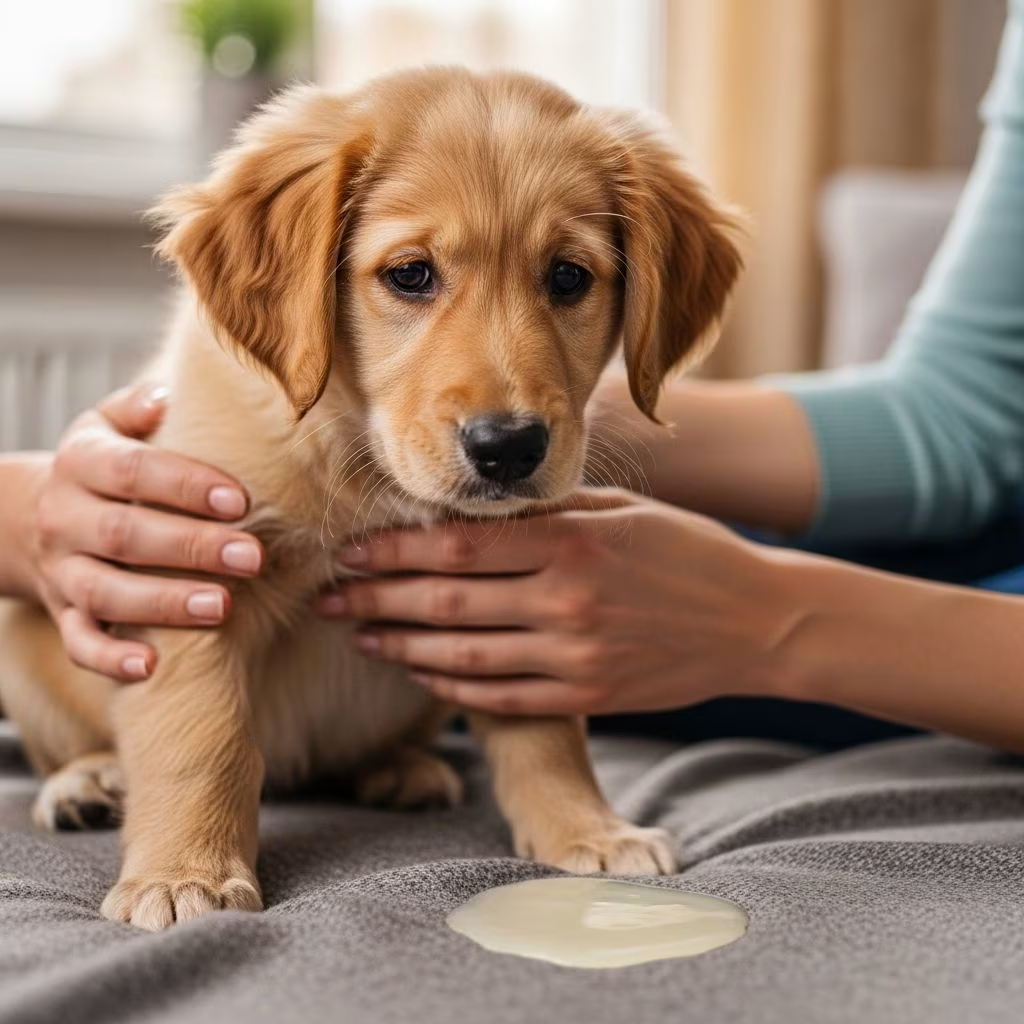
As a puppy owner, discovering that your young dog has vomited can be alarming. However, vomiting in puppies is a frequent occurrence that many pet owners experience at various stages of their dog’s development. While some instances of regurgitation are completely harmless and resolve on their own, others may signal underlying health concerns that warrant professional evaluation. Understanding the distinction between normal puppy digestive hiccups and serious medical conditions is essential for responsible pet ownership.
The Distinction Between Regurgitation and Vomiting
Before exploring the causes of your puppy throwing up, it’s important to understand that regurgitation and vomiting are technically different processes, though pet owners often use these terms interchangeably. Regurgitation occurs when food that hasn’t been digested is expelled passively from the esophagus or stomach without the forceful muscle contractions that characterize vomiting. Vomiting, by contrast, involves active retching and forceful expulsion of stomach contents.
This distinction matters because it can provide your veterinarian with valuable diagnostic information. A puppy that regurgitates undigested food shortly after eating may have a different underlying issue than one experiencing true vomiting with visible stomach upset. However, in most cases, both conditions share common triggers related to diet, eating habits, and gastrointestinal health.
Dietary Factors Contributing to Puppy Nausea
One of the most prevalent reasons puppies experience vomiting relates directly to their eating patterns and food choices. Puppies often lack the self-control that adult dogs develop, and their digestive systems are still maturing during their first year of life.
Rapid Consumption and Overeating
Puppies frequently consume food too quickly, swallowing large chunks without adequate chewing. This rapid eating pattern causes the stomach to become overly distended, triggering nausea and subsequent vomiting. When puppies wolf down their meals in excitement, their stomach muscles cannot process the volume efficiently, leading to regurgitation of undigested food particles shortly after mealtime.
Overeating compounds this problem. Young dogs haven’t yet developed proper satiation signals, meaning they may continue eating beyond their digestive capacity. Portion control and feeding schedule adjustments can significantly reduce these episodes.
Food Sensitivity and Ingredient-Related Issues
Some puppies develop sensitivities to specific food ingredients or entire food categories. Unlike true allergies, which trigger immune responses, food sensitivities cause digestive distress without involving the immune system. Common protein sources like beef and chicken occasionally provoke reactions in sensitive puppies. Additionally, abrupt dietary transitions can overwhelm a puppy’s developing digestive system, causing vomiting and gastrointestinal upset.
When introducing new foods to your puppy’s diet, veterinarians recommend a gradual transition period of one to two weeks or longer. This allows the digestive system time to adjust to new ingredients without triggering defensive vomiting responses.
Ingestion of Inappropriate Items
Puppies are naturally curious creatures that explore their environment through their mouths. Consumption of spoiled food, garbage, or non-food objects can cause acute stomach irritation and vomiting episodes. Food poisoning from contaminated scraps represents a real health risk, as does accidental ingestion of toxic substances or foreign objects that may lodge in the gastrointestinal tract.
Gastrointestinal Infections and Parasitic Threats
Beyond dietary issues, infectious and parasitic conditions represent more serious causes of puppy vomiting that require prompt veterinary attention.
Parasitic Infections
Internal parasites, particularly intestinal worms, commonly affect puppies and cause vomiting alongside other gastrointestinal symptoms. Puppies may contract parasites through contaminated soil, infected feces, or even nursing from infected mothers. Parasitic infections generate inflammation in the intestinal lining, triggering nausea, vomiting, and diarrhea. Routine deworming protocols, typically beginning around six weeks of age and continuing throughout the first year, help protect puppies from these parasitic threats.
Viral and Bacterial Infections
Infectious agents like parvovirus represent serious threats to young puppies, particularly those not yet fully vaccinated. Viral infections cause inflammation of the stomach and intestines—a condition known as gastroenteritis—resulting in vomiting, diarrhea, lethargy, and loss of appetite. Affected puppies may appear visibly ill and lose interest in food and play. Bacterial infections can similarly compromise gastrointestinal function and trigger defense mechanisms like vomiting.
Systemic Health Conditions Manifesting as Vomiting
Several underlying health disorders present vomiting as an early symptom, requiring thorough veterinary evaluation for proper diagnosis.
Pancreatitis and Inflammation Disorders
Pancreatitis, inflammation of the pancreas, causes vomiting alongside abdominal pain, reduced appetite, and low energy levels. This condition may develop suddenly or progress gradually, and certain dietary choices can increase susceptibility. The pancreas plays a crucial digestive role, and when inflamed, it disrupts normal food processing, triggering nausea and vomiting responses.
Gastrointestinal Blockages
Foreign objects that lodge within the digestive tract create serious blockage situations requiring immediate veterinary intervention. Intestinal blockages prevent normal food passage and fluid absorption, resulting in vomiting, abdominal pain, and loss of appetite. Puppies who ingest toys, strings, bones, or other non-digestible objects face significant surgical risks if the blockage isn’t cleared promptly.
Liver and Kidney Dysfunction
Hepatic and renal diseases can manifest through vomiting, though these conditions are relatively uncommon in healthy puppies. Chronic liver or kidney dysfunction affects the body’s ability to process nutrients and eliminate toxins efficiently, potentially triggering nausea and digestive upset.
Environmental and Physiological Triggers
Beyond internal digestive factors, external circumstances and physiological responses can provoke vomiting episodes in susceptible puppies.
Motion Sickness and Travel Stress
Some puppies experience motion sickness similar to humans, with symptoms including vomiting, drooling, whining, and anxiety during car rides or travel. Young dogs may outgrow this sensitivity as their nervous systems mature, though some dogs remain prone to motion-related nausea throughout life.
Dietary Indiscretion and Scavenging
Puppies exploring their environment may consume grass, dirt, or other non-food substances. While occasional grass eating is usually harmless, excessive amounts can irritate the stomach lining and provoke vomiting. Scavenging behavior—eating discarded food or trash—exposes puppies to spoiled items, toxins, and harmful bacteria that trigger acute gastrointestinal distress.
Identifying the Color and Composition of Vomit
The appearance of vomit provides diagnostic clues about underlying causes. Different colors and consistencies suggest different issues:
| Vomit Appearance | Potential Causes | When to Contact Vet |
|---|---|---|
| White foam or frothy liquid | Stomach irritation, acid reflux, indigestion, empty stomach | If persistent or accompanied by lethargy |
| Yellow bile coloration | Bile reflux, prolonged fasting, digestive disorders, pancreatitis | Always, especially if recurring before meals |
| Clear liquid | Empty stomach, GI blockage, stomach upset | If happening multiple times or with other symptoms |
| Undigested food particles | Rapid eating, overeating, food poisoning, anxiety | If food remains undigested consistently |
| Red or brown blood specs | Stomach ulceration, intestinal bleeding | Immediately—requires urgent evaluation |
When Professional Veterinary Care Becomes Essential
Not every vomiting episode warrants emergency veterinary care, but certain circumstances demand immediate professional evaluation. Contact your veterinarian promptly if your puppy experiences:
- Multiple vomiting episodes within a few hours, indicating potentially serious conditions
- Presence of blood in vomit, suggesting gastrointestinal bleeding or ulceration
- Accompanying symptoms like fever, severe lethargy, abdominal pain, or bloating
- Vomiting lasting more than a few hours or occurring repeatedly over days
- Signs of dehydration including excessive thirst, dry gums, or decreased urination
- Suspected ingestion of toxins, medications, or foreign objects
- Undigested food appearing consistently in vomit after multiple meals
Preventive Strategies for Reducing Vomiting Episodes
While not all vomiting can be prevented, several proactive measures significantly reduce the frequency and severity of episodes:
Feeding Management Techniques
Implement slow-feeder bowls or puzzle feeders designed to moderate eating pace. Divide daily food portions into three to four smaller meals rather than one or two large ones, reducing stomach distension. Establish consistent feeding schedules and avoid feeding immediately before or after vigorous play.
Dietary Optimization
Select high-quality puppy-formulated foods meeting AAFCO standards for growth. Introduce dietary changes gradually over 7-14 days, mixing increasing proportions of new food with previous food. Avoid table scraps, human foods, and treats that may provoke digestive upset.
Parasite and Disease Prevention
Follow veterinary recommendations for deworming protocols, vaccinations, and preventive medications. These foundational health measures protect puppies from infectious and parasitic threats that commonly cause vomiting.
Environmental Safety
Puppy-proof your living space by removing accessible foreign objects, toxic substances, and spoiled food. Supervise outdoor time to prevent grass overeating and scavenging behavior. Keep medications, chocolate, xylitol, raisins, and other toxic substances securely stored.
Frequently Asked Questions
How often is puppy vomiting considered abnormal?
An occasional vomiting episode in an otherwise healthy, active puppy is generally not concerning. However, recurring vomiting—multiple episodes weekly or daily—warrants veterinary evaluation to rule out underlying conditions.
Should I withhold food after my puppy vomits?
Brief fasting (4-6 hours) may allow the stomach to settle, but prolonged food restriction isn’t advisable in puppies whose bodies require consistent nutrition for growth and development. Offer bland, easily digestible foods in small portions once the stomach has rested.
Can stress cause puppy vomiting?
While stress can contribute to gastrointestinal upset in sensitive puppies, stress alone rarely causes significant vomiting. Physical causes usually underlie recurring episodes, though anxiety during travel or environmental changes may trigger occasional regurgitation.
Is it normal for puppies to vomit undigested food?
Occasional regurgitation of undigested food shortly after eating usually indicates rapid consumption or overeating rather than serious illness. However, consistent regurgitation of undigested food warrants veterinary investigation to rule out blockages or digestive dysfunction.
What distinguishes food allergies from food sensitivities in puppies?
True food allergies involve immune system responses, while sensitivities represent non-immune reactions to specific ingredients. Both can cause vomiting and gastrointestinal distress, requiring dietary modification and veterinary guidance to identify problematic foods.
Moving Forward With Puppy Health
Puppy vomiting represents a common concern that usually resolves with simple dietary adjustments and preventive care. However, maintaining awareness of warning signs ensures you recognize situations requiring professional veterinary intervention. By combining proactive prevention strategies with attentive observation and prompt veterinary consultation when needed, you can support your puppy’s digestive health through the critical developmental period and into healthy adulthood.
Remember that every puppy is unique, with individual digestive sensitivities and health needs. What works for one puppy may not suit another, making personalized veterinary guidance invaluable for addressing vomiting concerns specific to your young companion.
References
- Puppy Throwing Up: Understanding the Causes and Taking Action — PetCareRx. 2024. https://www.petcarerx.com/article/puppy-throwing-up-understanding-the-causes-and-taking-action/7057
- Here’s Why Your Puppy Is Throwing Up & What To Do Next — Pawlicy. 2024. https://www.pawlicy.com/blog/vomiting-in-puppies/
- Dog Vomiting: 18 Reasons Your Dog is Throwing Up — GoodRx Pet Health. 2024. https://www.goodrx.com/pet-health/dog/dog-throwing-up-vomit
- Vomiting and Diarrhoea in Dogs — Blue Cross. 2024. https://www.bluecross.org.uk/advice/dog/health-and-injuries/vomiting-and-diarrhoea-in-dogs
- Vomiting in Dogs – When to Head to The Vet — Pacific Santa Cruz Veterinary Services. 2024-05-15. https://www.pacificsantacruzvet.com/site/blog/2024/05/15/dog-vomiting
- Why Does Your Dog Throw Up After Eating But Act Normal? — Purina. 2024. https://www.purina.com/articles/dog/health/digestion/dog-throws-up-after-eating



