Puppy Protocol: Deworming and Vaccines Guide
Complete guide to puppy deworming and vaccination protocols for shelter and rescue operations.
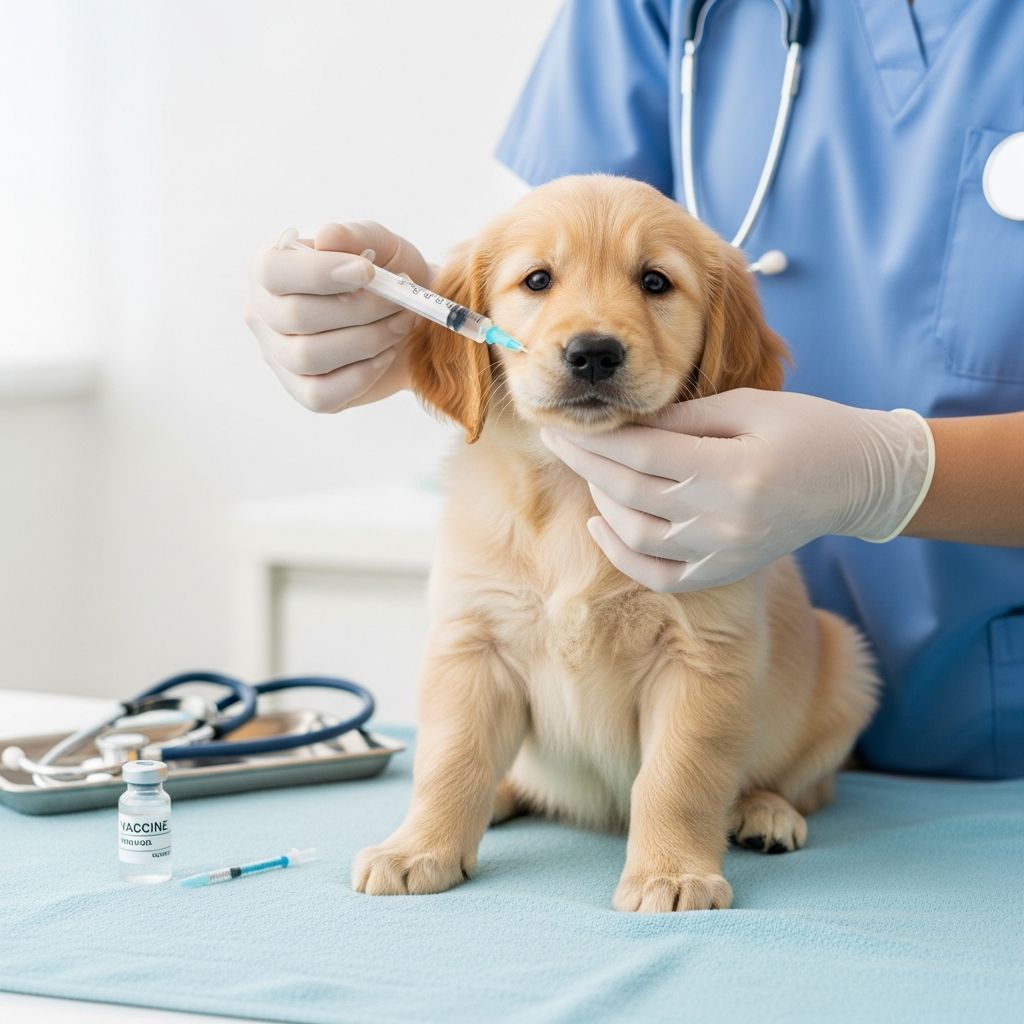
Establishing a robust puppy protocol for deworming and vaccinations is essential for any shelter, rescue organization, or foster program. Proper vaccination and deworming schedules protect individual puppies from life-threatening diseases while preventing disease transmission within animal populations. This comprehensive guide outlines evidence-based protocols for puppy health management, drawing from established veterinary standards and best practices used by leading animal welfare organizations.
Understanding Puppy Immunity and Vaccination Basics
Puppies are born with maternal antibodies passed through their mother’s colostrum and milk. These antibodies provide temporary protection against many infectious diseases but gradually decline over the first weeks and months of life. The timing of vaccinations is critical because vaccines administered too early may be neutralized by maternal antibodies, while delaying vaccination leaves puppies vulnerable to disease.
The primary vaccination series begins when maternal antibodies have declined enough to allow vaccine efficacy, typically between 6 to 8 weeks of age. However, because the exact timing of maternal antibody decline varies among individual puppies, a series of vaccinations spaced 2 to 4 weeks apart is recommended to ensure protection develops once maternal antibodies are no longer interfering.
Core Vaccination Protocol for Puppies
Understanding Core Vaccines
Core vaccines protect against diseases that pose a significant risk to all dogs regardless of lifestyle or geographic location. These vaccines typically include protection against:
- Canine Distemper Virus (CDV)
- Canine Parvovirus (CPV)
- Canine Adenovirus (CAV)
- Rabies Virus
Combination vaccines, commonly referred to as DHPP vaccines, contain protection against Distemper, Hepatitis (Adenovirus), Parvovirus, and Parainfluenza in a single injection. This approach streamlines the vaccination process while ensuring comprehensive protection.
Recommended Vaccination Schedule
| Age of Puppy | Vaccine | Notes |
|---|---|---|
| 6-8 weeks | DHPP (first dose) | Initial vaccination in series |
| 10-12 weeks | DHPP (second dose) | Booster vaccination |
| 14-16 weeks | DHPP (third dose) | Final primary series vaccine |
| 16 weeks or older | Rabies | Can be administered concurrently with final DHPP |
| 1 year of age | DHPP and Rabies boosters | Booster vaccinations |
Vaccine Administration Guidelines
Shelter and rescue protocols recommend vaccinating puppies upon intake when possible. While some protection is gained rapidly and can prevent mortality, it is important to understand that the primary series provides optimal protection. Puppies recently entering a shelter are considered fully vaccinated and low risk if they are older than 6 months and have received an intake vaccine followed by a booster vaccine at least two weeks after the initial vaccine.
Deworming Protocol for Puppies
Why Deworming is Critical
Intestinal parasites are among the most common health problems in puppies. These parasites, including roundworms, hookworms, and whipworms, can cause severe illness, malabsorption of nutrients, anemia, and potentially death in young animals. Puppies may acquire parasites through their mother before birth or through environmental exposure. Deworming removes existing parasites and protects against common intestinal infections.
Deworming Schedule
A comprehensive deworming protocol should begin early and continue throughout the puppy’s first months of life:
- Initial deworming at 2 weeks of age
- Repeat deworming every 2 weeks until 8 weeks of age
- Final deworming at 12 weeks of age
- Monthly preventive deworming from 3 months to 6 months of age
Deworming Medication Selection
Common deworming medications include fenbendazole, pyrantel pamoate, and piperazine, each effective against different parasite species. Combination products that address multiple parasite types are often preferred in shelter settings. The choice of deworming agent should be based on known local parasite prevalence, puppy age and weight, and any identified parasite infections through fecal examination.
Fecal examinations should be performed on puppies with clinical signs of parasitism (diarrhea, poor growth, or visible parasites) and may be performed on a population basis in shelter settings to identify common parasites and tailor deworming protocols accordingly.
Integration of Deworming and Vaccination
Coordinating deworming with vaccination schedules optimizes puppy health management. Puppies with high parasite burdens may have compromised immune function, which can reduce vaccine efficacy. Therefore, ensuring puppies are dewormed before or concurrent with their initial vaccinations supports better immune response.
In shelter protocols, puppies should receive their first deworming upon intake, with vaccinations beginning at 6 to 8 weeks of age. Subsequent deworming should follow the established schedule while vaccinations proceed according to the booster timeline. Staff should maintain detailed records documenting all deworming and vaccination dates to ensure no doses are missed and to facilitate communication with adopting families about ongoing protocols.
Biosecurity and Infection Prevention
Housing and Isolation Protocols
Puppies are particularly susceptible to infectious diseases due to their immature immune systems. Implementing proper biosecurity measures significantly reduces disease transmission within shelter populations. Puppies should be housed separately from adult dogs when possible, and separate ventilation systems are ideal to prevent airborne pathogen spread.
Personal Protective Equipment (PPE)
Staff working with puppies, particularly in admission areas or isolation wards, should use appropriate PPE including gloves, gowns or coveralls, and shoe covers. Hands should be washed frequently, especially between handling unvaccinated puppies, newly vaccinated puppies, ill puppies, and newborn puppies with nursing mothers. Changing PPE between individual puppies prevents cross-contamination of infectious agents.
Cleaning and Disinfection
All puppy areas should be cleaned and disinfected regularly using shelter-approved disinfectants effective against common canine pathogens. High-touch surfaces, food and water bowls, bedding, and enrichment items require frequent cleaning. Contaminated items should be discarded or thoroughly disinfected before reuse.
Special Populations and Considerations
Nursing Mothers
Lactating mothers require special attention to vaccination protocols. While nursing mothers can receive vaccinations, certain live vaccines may be modified or delayed depending on veterinary recommendation. Ensuring nursing mothers are current on vaccinations provides passive protection to nursing puppies through antibodies present in milk.
Orphaned or Bottle-Fed Puppies
Puppies without access to maternal milk receive no maternal antibodies and require vaccination to begin as early as 4 weeks of age, with boosters every 2 to 3 weeks until 16 weeks of age. These puppies also benefit from early deworming beginning at 2 weeks of age. Nutritional support with appropriate orphan puppy formula is essential for immune development.
Puppies from Unknown Backgrounds
Puppies arriving at shelters from unknown backgrounds should be assumed unvaccinated until documentation proves otherwise. These puppies should be vaccinated upon intake and managed according to high-risk protocols until vaccination status is confirmed or an adequate vaccination series is completed.
Record Keeping and Documentation
Comprehensive medical records are essential for puppy health management. Documentation should include:
- Date of entry and identifying information
- Deworming dates and medications used
- Vaccination dates, vaccine types, and batch numbers
- Any adverse reactions to vaccines or medications
- Fecal examination results and parasite identification
- Communicable disease testing results if applicable
- Health assessments and any clinical signs observed
Accurate records facilitate continuity of care for puppies transitioning to foster homes or adoption, allowing adopting families and future veterinarians to understand the puppy’s medical history and any completed or remaining vaccination and deworming requirements.
Non-Core Vaccines and Special Circumstances
Beyond core vaccines, non-core vaccines may be recommended based on individual puppy risk factors and lifestyle. These may include protection against Bordetella bronchiseptica (kennel cough), Leptospira species, and Coronavirus. Shelter environments with known disease exposure may warrant non-core vaccine use to prevent additional infectious disease outbreaks.
Puppies in shelter or foster environments benefit from Bordetella vaccination, which is often given intranasally or as an injection. This vaccine provides respiratory protection for puppies likely to encounter multiple dogs or high-stress environments that increase disease susceptibility.
Monitoring Puppy Health During Protocol Implementation
Throughout the vaccination and deworming protocol, puppies should be monitored for any signs of illness or adverse reactions. Common side effects of vaccination may include mild lethargy or soreness at the injection site, which typically resolve within 24 to 48 hours. More serious adverse reactions are rare but may include allergic responses or fever, which warrant immediate veterinary attention.
Puppies experiencing diarrhea, vomiting, coughing, or respiratory signs should be evaluated by a veterinarian promptly. These clinical signs may indicate parasitic infection, vaccine reactions, or infectious disease requiring isolation and treatment.
Transitioning Puppies to New Homes
When puppies transition to adoption or foster homes, providing detailed information about completed vaccinations and deworming is essential. Adopting families should receive documentation of all vaccines administered, dates of administration, and any remaining vaccines or deworming doses needed to complete the puppy’s protocol. Recommendations for follow-up veterinary care and any observed health concerns should be communicated to ensure continuity of health management.
Frequently Asked Questions
Q: Can puppies socialize before completing their vaccination series?
A: Yes, socialization during the critical period (7 to 16 weeks of age) is important for behavioral development. The Association of Shelter Veterinarians recommends that puppies have at least one set of vaccines at least seven days prior to socialization activities and a first deworming. Small group settings with other vaccinated puppies and careful hygiene protocols allow socialization while minimizing disease risk.
Q: How long after vaccination does a puppy become protected?
A: Some protection begins developing within 7 to 10 days after vaccination, but maximum protection typically requires completion of the primary vaccination series plus a booster at one year of age. This is why spacing vaccinations appropriately is important.
Q: What should I do if I miss a scheduled vaccination or deworming?
A: Contact your veterinarian to reschedule as soon as possible. If more than 4 weeks have passed since the last dose, the series may need to restart. Maintaining the recommended schedule is important for optimal protection.
Q: Can puppies receive vaccines and deworming at the same time?
A: Yes, vaccines and deworming medications can be administered concurrently. Coordinating these preventive treatments at single veterinary visits is efficient and ensures puppies receive comprehensive health protection.
Q: How often should I have my puppy’s stool checked for parasites?
A: Fecal examinations are recommended at the initial veterinary visit and may be repeated if clinical signs of parasitism develop. Shelter protocols may include routine fecal screening on admission to identify parasites and tailor deworming approaches.
References
- Example Distemper Protocol — Best Friends Animal Society. 2023-08. https://network.bestfriends.org/sites/default/files/2023-08/Example%20Distemper%20Protocol.pdf
- Guidelines for Standards of Care in Animal Shelters — Association of Shelter Veterinarians. 2010. https://www.sheltervetmed.org/resources/guidelines
- Care of Admission-Area Puppies and Nursing Moms — Best Friends Animal Society. https://bestfriends.org/sites/default/files/inline-files/PuppyAdmissionsIllnessPreventionBF_1_6.292.200.pdf
- Reducing Infectious Disease in Transport Programs Playbook — Best Friends Animal Society. https://bestfriends.org/network/resources-tools/reducing-infectious-disease-transport-programs
- The Guide Dogs of America’s Puppy Socialization Schedule — Whole Dog Journal. https://www.whole-dog-journal.com/puppies/pre_puppy_prep/the-guide-dogs-of-americas-puppy-socialization-schedule/
Similar Articles






Read full bio of medha deb