

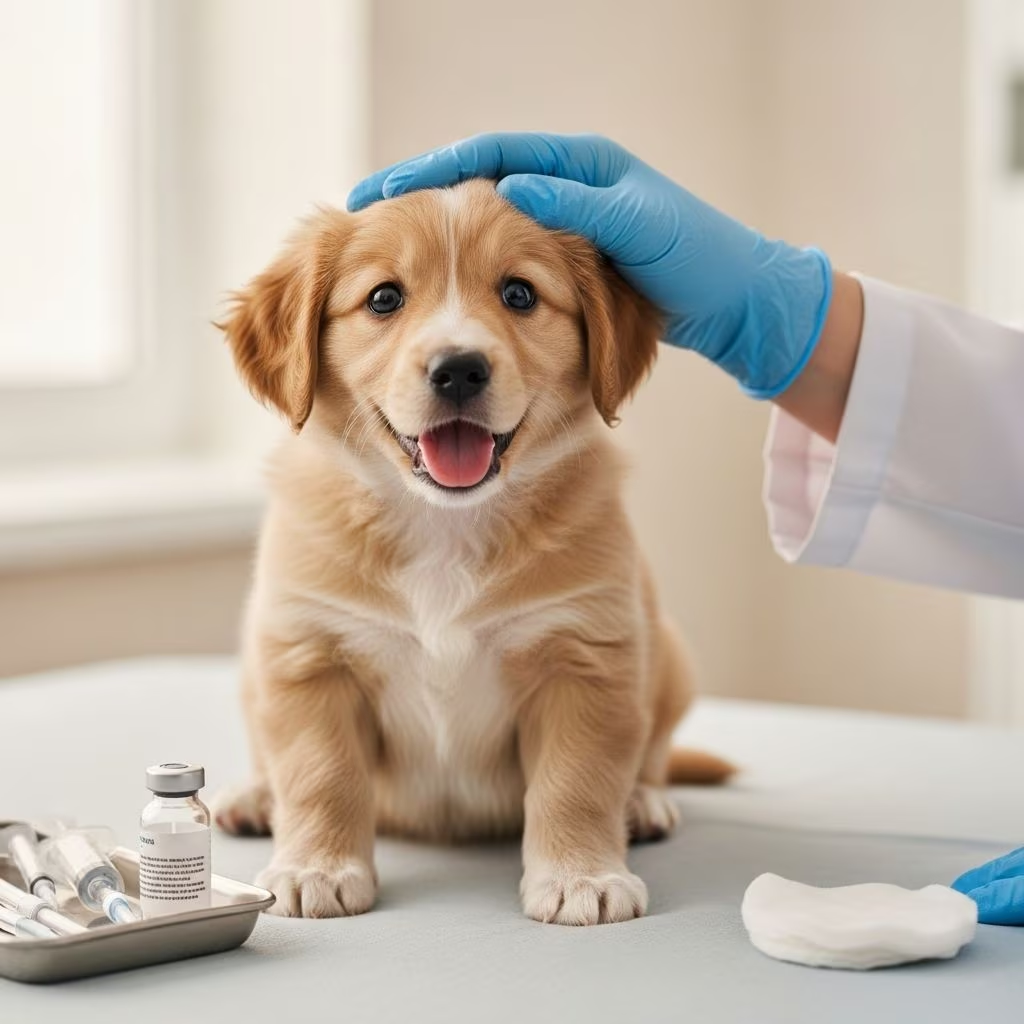
Puppy Protocol: Deworming and Vaccination Guide
Ensuring the health and well-being of puppies requires a comprehensive approach to preventive care. One of the most critical components of early puppy healthcare involves establishing proper deworming and vaccination protocols. These protocols are essential for protecting puppies from parasitic infections and infectious diseases during their most vulnerable developmental stages. This guide outlines the evidence-based deworming and vaccination protocols recommended for puppies and adult dogs, providing pet owners and veterinary professionals with detailed schedules and guidelines.
Understanding Puppy Deworming Protocol
Deworming is a fundamental aspect of puppy healthcare, as young dogs are particularly susceptible to intestinal parasites. Puppies often inherit parasites from their mothers and can pick up additional infections from contaminated soil and environmental sources. The deworming protocol for puppies is designed to eliminate parasites during their most vulnerable period and establish ongoing protection.
Initial Deworming Schedule
All puppies should receive pyrantel by mouth at a dosage of 1ml per 10 pounds of body weight. This deworming regimen begins at 2 weeks of age and continues until 12 weeks of age. The Companion Animal Parasite Council recommends deworming for zoonotic parasites at least 4 times, spaced 2 weeks apart, then monthly, which covers the prepatent period of these parasites and provides the best protection for both pets and their families.
Coccidia Prophylaxis
In addition to standard deworming, puppies younger than 6 months should receive ponazuril by mouth at a dosage of 50mg/kg once for coccidia prophylaxis. Coccidia is a common parasitic infection in young puppies that can cause gastrointestinal issues and requires specific preventive treatment.
Ongoing Deworming After 12 Weeks
While the intensive deworming protocol focuses on the first 12 weeks of life, parasite prevention doesn’t stop there. After 12 weeks of age, puppies should continue receiving monthly deworming until they reach 6 months of age. Once a puppy reaches 6 months and transitions to adult status, the deworming schedule typically moves to every 3 months for ongoing protection throughout their life. In certain geographic regions with higher parasite prevalence, monthly deworming may be recommended even for adult dogs.
Puppy Vaccination Protocol
Vaccination is equally crucial in protecting puppies from serious infectious diseases. The puppy vaccination protocol is designed to provide early protection while accounting for maternal antibodies that may interfere with vaccine effectiveness. Puppies require multiple vaccinations over several months to ensure adequate immunity.
DHPP Vaccination (Distemper, Hepatitis, Parvovirus, Parainfluenza)
The DHPP vaccine is a modified live vaccine that protects against multiple serious canine diseases. The vaccination schedule for puppies follows these guidelines:
- Initial vaccine should be given at intake, beginning as early as 1 day of age if necessary
- The vaccine should be administered immediately upon intake unless the puppy has received a verified vaccine within the last 2 weeks
- Subsequent vaccines should be administered every 2 weeks (minimum 2 weeks, maximum 3 weeks)
- The final booster vaccination should be given at 18 to 20 weeks of age
- One year after completing the initial vaccine series, puppies should receive their first booster DHPP vaccination
- After the one-year booster, DHPP vaccination should continue every 3 years throughout the dog’s life
Rabies Vaccination
Rabies vaccination is a critical component of puppy healthcare and is often required by law. The rabies vaccination protocol differs from DHPP vaccines:
- Puppies should receive their first rabies vaccine once they reach 12 weeks of age
- If there is uncertainty about the puppy’s age, it is advisable to delay the rabies vaccine until a more accurate age estimate can be determined
- Puppies should receive a booster rabies vaccination one year after the initial vaccine
- Following the one-year booster, rabies vaccination should be administered every 3 years thereafter
Bordetella and Parainfluenza (Intranasal Vaccines)
Bordetella bronchiseptica and parainfluenza virus are respiratory pathogens that cause kennel cough. The intranasal vaccination protocol provides mucosal immunity in the respiratory tract:
- The first vaccine should be administered at 4 weeks of age or immediately upon intake if the puppy is older than 4 weeks
- A booster vaccination should be given one year after the initial vaccine
- Annual vaccination should continue throughout the dog’s life
Adult Dog Vaccination Protocol
Adult dogs are considered those with all adult teeth that appear to be over 6 months of age. The vaccination protocol for adult dogs varies depending on their prior vaccination history and documentation.
DHPP Vaccination for Adults
The adult DHPP vaccination schedule depends on documented vaccine history:
- No Known Vaccine History: Administer one vaccine upon intake, followed by a booster in 2-3 weeks. The next DHPP vaccination should be scheduled one year after the initial vaccine series, then every 3 years thereafter
- One Documented Vaccine Before 18 Weeks: Give an intake vaccine, a booster in 2 weeks, then schedule the next vaccine every 3 years
- One Documented Vaccine After 18 Weeks: Provide a booster upon intake, then schedule vaccinations every 3 years
- Two or More Vaccinations After 18 Weeks: Schedule the next vaccine 3 years from the last documented vaccine, then continue every 3 years
When vaccine history is questionable or uncertain, veterinary professionals should err on the side of administering additional vaccines to ensure adequate protection. Pregnant or nursing female dogs should be vaccinated according to the standard adult schedule.
Rabies Vaccination for Adults
Adult dogs require rabies vaccination according to their prior vaccination status:
- No Known Vaccine History: Administer the vaccine immediately, with a booster one year later, then vaccinate every 3 years
- One Documented Rabies Vaccine After 12 Weeks: Schedule a booster 1 year from the original vaccination date, then vaccinate every 3 years
- Multiple Documented Rabies Vaccines: Schedule the next booster 3 years after the last documented vaccination
Pregnant or nursing female dogs should receive rabies vaccination according to the standard schedule.
Bordetella and Parainfluenza for Adults
Adult dogs should receive their first intranasal Bordetella and Parainfluenza vaccine upon intake. A booster should be administered one year later, with annual vaccination continuing throughout the dog’s life. For dogs whose temperament prevents intranasal vaccination, an injectable vaccine alternative may be administered. Pregnant or nursing females should be vaccinated according to the normal schedule.
Special Considerations and Exceptions
While the protocols outlined above provide comprehensive guidelines for most puppies and adult dogs, individual animal exceptions can be made on a case-by-case basis. Any exceptions to the standard protocol should be made in consultation with both the attending veterinarian and organizational management. This ensures that animals with specific health conditions, allergies, or behavioral concerns receive appropriate individualized care while maintaining population health standards.
Implementation Best Practices
Successful implementation of deworming and vaccination protocols requires careful planning and consistent execution. All animals entering a facility’s care should receive a comprehensive intake examination on the same day of arrival. Timing is essential—intake exams and treatments should be performed as soon as reasonably possible after the animal arrives. Staff should maintain a 2-3 week range for booster vaccinations, working toward the shorter end of this range when possible to maintain optimal protection schedules.
Accurate record-keeping is fundamental to effective protocol implementation. All examination findings and treatments must be entered into medical or shelter management software in a timely manner. This documentation ensures continuity of care, helps prevent duplicate vaccinations, and provides essential information for future veterinary care decisions.
Additional Preventive Care
Beyond deworming and vaccination, comprehensive puppy healthcare includes additional preventive measures. Heartworm prevention should begin at 8 weeks of age and continue according to the medication label instructions. Flea and tick prevention should also begin at 8 weeks and be repeated as directed. Microchipping should be performed on all puppies and dogs not already identified by a microchip scan, with the exception of neonatal animals.
In adult dogs, routine screening for heartworm should be performed upon intake. Adult dogs should receive heartworm prevention repeated according to label instructions, along with ongoing flea and tick prevention.
Frequently Asked Questions
Q: When should deworming begin in puppies?
A: Deworming should begin at 2 weeks of age with pyrantel administered at 1ml per 10 pounds of body weight, continuing every 2 weeks until 12 weeks of age.
Q: How many DHPP vaccines do puppies need?
A: Puppies receive multiple DHPP vaccines starting at intake (as early as 1 day old) and continuing every 2 weeks until 18-20 weeks of age, ensuring complete protection during the critical early period.
Q: At what age can puppies receive their first rabies vaccine?
A: Puppies can receive their first rabies vaccine at 12 weeks of age. If there is uncertainty about the puppy’s age, the vaccine should be delayed until a more accurate age estimate can be determined.
Q: How often should adult dogs be vaccinated after completing the puppy series?
A: After completing the puppy vaccination series, adult dogs should receive booster DHPP and rabies vaccinations one year later, then every 3 years thereafter.
Q: What is ponazuril and why is it given to puppies?
A: Ponazuril is given at 50mg/kg once to puppies younger than 6 months for coccidia prophylaxis, protecting against this common parasitic infection in young dogs.
Q: Can intranasal Bordetella vaccine be replaced with an injectable alternative?
A: Yes, if a dog’s temperament prevents intranasal vaccination, an injectable Bordetella and Parainfluenza vaccine may be administered as an alternative.
Q: How should staff handle puppies or dogs with unclear vaccine history?
A: When vaccine history is questionable, staff should err on the side of administering additional vaccines to ensure adequate protection rather than risking under-vaccination.
Q: Should pregnant or nursing dogs be vaccinated?
A: Yes, pregnant or nursing female dogs should be vaccinated according to the normal adult vaccination schedule to maintain immunity and provide passive protection to offspring.
References
- Puppy Protocol: Deworming and Vaccines — Best Friends Animal Society. 2021-08-16. https://bestfriends.org/network/resources-tools/puppy-protocol-deworming-and-vaccines
- Sample Intake Protocol — Best Friends Animal Society. https://network.bestfriends.org/sites/default/files/inline-files/Sample%20Intake%20Protocol.pdf
- Factors Affecting Your Deworming Protocols for Puppies and Kittens — DVM360. https://www.dvm360.com/view/factors-affecting-your-deworming-protocols-for-puppies-and-kittens
- Cat and Dog Parasites: Fleas, Ticks and Worms — Best Friends Animal Society. https://bestfriends.org/pet-care-resources/cat-and-dog-parasites-fleas-ticks-and-worms
- Puppy Worming Schedule — VitaPet. https://vitapet.com/au/vitapet-central/articles/puppy-worming-schedule/



