

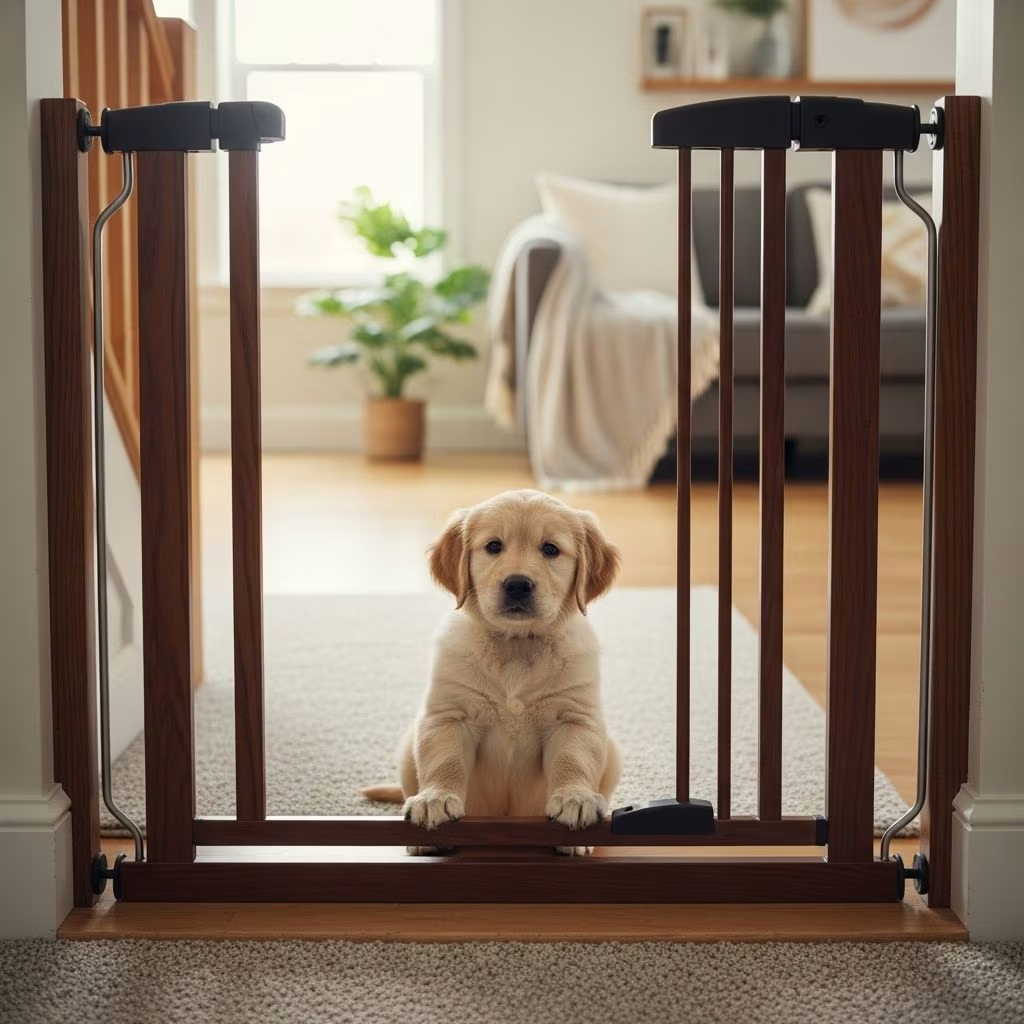
Safety gates offer a versatile and humane way to manage young dogs during their formative months. These tools create defined spaces that limit access to off-limits areas while allowing supervision, supporting housebreaking efforts and preventing destructive behaviors.
Why Safety Gates Are Essential for New Puppies
Bringing home a puppy marks the start of an exciting journey filled with energy and curiosity. However, this enthusiasm often leads to chewed furniture, accidents on carpets, and escapes into dangerous zones. Safety gates address these challenges by establishing clear boundaries without the need for constant leashing or crating.
Unlike crates, which fully enclose the puppy, gates permit visual contact and airflow, reducing feelings of isolation. Veterinary experts emphasize starting management tools early to set good habits, noting that positive environments encourage learning. Positive reinforcement principles align perfectly here, as gates prevent unwanted actions rather than punishing them after the fact.
- Prevent access to kitchens, stairs, or rooms with valuables.
- Facilitate supervision during playtime or meal prep.
- Support gradual house introduction, minimizing stress.
Choosing the Right Safety Gate for Your Home
Selecting an appropriate gate depends on your living space, puppy size, and specific needs. Pressure-mounted gates suit most doorways, expanding to fit widths from 24 to 72 inches without permanent installation.
| Type | Best For | Pros | Cons |
|---|---|---|---|
| Pressure-Mounted | Doorways, hallways | Easy install, no tools needed | Not for wide openings |
| Freestanding | Large rooms, play areas | Portable, customizable shapes | Takes floor space |
| Hardware-Mounted | Stairs, high-traffic spots | Secure, durable | Requires drilling |
Opt for gates at least 36 inches tall for energetic breeds, with no climbable gaps. Materials like metal or sturdy plastic withstand puppy tests better than wood, which can be gnawed.
Setting Up Gates for Maximum Effectiveness
Installation is straightforward but requires attention to stability. For pressure-mounted models, twist the adjustment bar until it presses firmly against walls or frames on both sides. Test by pushing from various angles to ensure it doesn’t budge.
Position gates strategically: block kitchen entries during cooking to avoid hot surfaces, or section off living rooms for supervised play. Combine multiple gates to form playpens, ideal for short absences. Always ensure the puppy has water, toys, and a comfortable bed within the area.
Train your puppy to view the gate positively from day one. Use treats to lure them through openings, rewarding calm approaches. This builds association with gates as portals to fun, not barriers.
Integrating Gates with Housebreaking Routines
Housebreaking succeeds through prevention and positive reinforcement. Gates confine puppies to easy-to-clean zones like kitchens or laundry rooms with absorbent mats, reducing indoor accidents.
Follow a consistent schedule: take puppies outside every 1-2 hours, after meals, and upon waking. Praise lavishly for outdoor elimination, using high-value treats to reinforce the spot. If an accident occurs in the gated area, simply clean without reaction—punishment confuses and fears.
- Gate off main house; allow access only when bladder control improves.
- Supervise closely during free time, returning to gate if signs of needing to go appear.
- Expand territory gradually as success builds, fading gate use over weeks.
Safety Gates in Daily Puppy Management
Beyond housebreaking, gates manage mealtimes, preventing food guarding or begging. Place the puppy behind a gate during family dinners, rewarding quiet behavior with a chew toy.
For multi-pet homes, gates separate puppies from resident dogs during introductions, allowing safe sniffing through bars. This mirrors model-rival training, where observing calm interactions teaches manners.
During work hours, a gated area with puzzle toys keeps puppies engaged without destructive outlets. Rotate toys to maintain interest, incorporating clicker training for added focus.
Overcoming Common Challenges with Gate Use
Puppies may whine or paw at gates initially, signaling discomfort or attention-seeking. Ignore mild protests while providing engaging distractions; respond only to escalate to jumping or barking, calmly redirecting with a toy.
For escape artists, upgrade to taller or angled-top gates. If chewing occurs, apply bitter sprays and offer appropriate chew alternatives nearby.
Distraction issues? Train in low-stimulation zones first, using mealtime hunger to boost motivation. Short sessions of 5-10 minutes prevent overwhelm, celebrating small wins.
Training Puppies to Respect Gate Boundaries
Teach a “wait” cue at gates: hold a treat, say “wait,” and only release when the puppy sits calmly. Practice daily, fading treats to verbal praise. This extends to doors, enhancing overall impulse control.
Incorporate release words like “okay” to signal freedom, praising calm exits. Consistency across family members ensures quick learning.
Long-Term Benefits and Transitioning Away
As puppies mature around 6-12 months, reliable habits allow gate removal. The structure provided early on fosters self-control, reducing future issues like separation anxiety.
Studies from animal behaviorists support management plus positive methods for lasting results, avoiding fear-based pitfalls. Gates evolve into tools for visitors or travel, maintaining utility.
FAQ
How long should I use safety gates with my puppy?
Typically 4-6 months, until housebreaking and basic obedience solidify. Adjust based on breed and progress.
Can safety gates replace crate training?
No, they complement crating. Gates offer more movement; crates suit sleep or absences.
What if my puppy cries behind the gate?
Ensure needs are met (water, potty), then ignore. Reward quiet periods to extinguish whining.
Are wooden gates safe for puppies?
Prefer metal or plastic; wood splinters and tempts chewing.
How do gates help with multi-dog households?
They allow controlled interactions, preventing fights and aiding socialization.
References
- Common Dog Training Methods and Their Pros and Cons — Astro Loyalty. 2023. https://www.astroloyalty.com/common-dog-training-methods-and-their-pros-and-cons/
- The Best Training Methods for Puppies — K9 Training Institute. 2023. https://k9ti.org/blog/the-best-training-methods-for-puppies/
- Basic Puppy Training 101 — Purina US. 2023. https://www.purina.com/articles/dog/puppy/training/puppy-training
- 5 Tips for Successful Dog Training — Virginia Tech Vet Med. 2023-01-01. https://vetmed.vt.edu/news/2023/dog-training-tips.html
- Puppy Behavior and Training Basics — VCA Animal Hospitals. 2023. https://vcahospitals.com/know-your-pet/puppy-behavior-and-training-training-basics
- Dog Training 101: Basic Training Tips for Dogs and Puppies — CareCredit. 2023. https://www.carecredit.com/well-u/pet-care/how-to-train-your-dog/



