

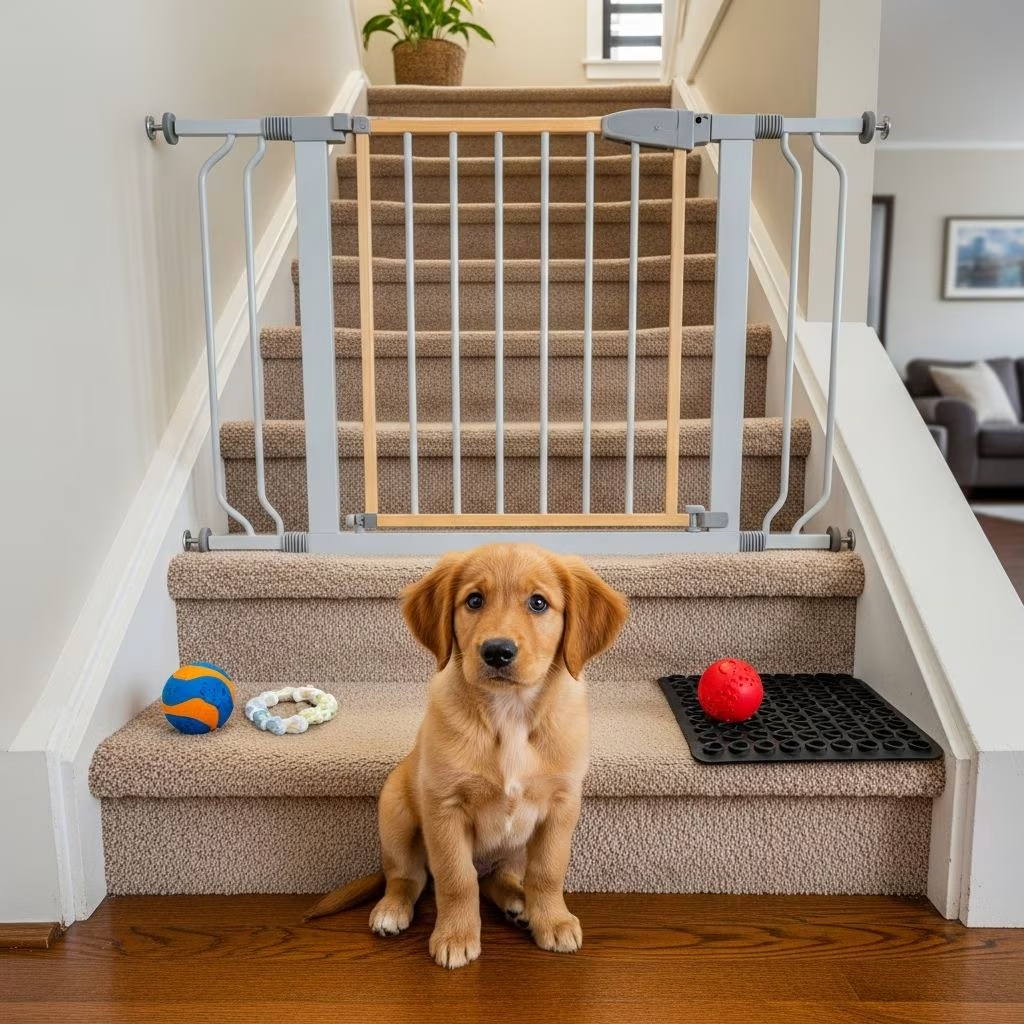
Puppy-Proofing the Stairs: Essential Safety Guide for Your New Dog
Bringing a new puppy into your home is an exciting experience, but it also comes with significant safety responsibilities. One of the most critical areas to address is your staircase. Puppies are naturally curious, energetic, and often lack the coordination and judgment needed to navigate stairs safely. A tumble down a flight of stairs can result in serious injuries, broken bones, or worse. Understanding how to properly puppy-proof your stairs is essential for protecting your new furry family member during their vulnerable early months. This comprehensive guide will walk you through the best practices, expert recommendations, and practical strategies for keeping your puppy safe on the stairs.
Why Puppies Are at Risk on Stairs
Puppies face unique challenges when it comes to stairs that adult dogs have largely overcome. Their developing bodies, still-growing bones, and lack of coordination make them particularly vulnerable to accidents. Additionally, puppies are naturally curious and may not understand the dangers posed by elevated surfaces or steep drops. Their depth perception is still developing, which means they cannot accurately judge distances or heights. This combination of factors creates a perfect storm for potential injuries.
Different breeds and sizes face different risks. Small breeds may struggle to reach the first step, while larger breeds can experience joint stress as their bones are still developing. Puppies with longer spines, such as Dachshunds, Basset Hounds, and Corgis, face particular challenges with stair safety and require extra precautions.
Install Safety Gates at Strategic Locations
One of the most effective and straightforward ways to puppy-proof your stairs is to install safety gates both at the top and bottom of the staircase. Dog gates and baby gates serve as physical barriers that prevent your puppy from accessing the stairs unsupervised. These gates create a confined space where your puppy can play and explore safely without the risk of tumbling down an open flight of stairs.
When selecting gates, ensure they are sturdy and properly installed. The gate should be tall enough that your puppy cannot jump over it, and it must be secure enough to withstand your puppy pushing against it. It’s important to remember that puppies are resourceful and determined. They may attempt to squeeze between railings, push under gates, or find other creative ways to bypass your safety measures. Regular inspection of your gates ensures they remain secure and effective as your puppy grows.
Strategic gate placement allows you to control your puppy’s movement throughout your home. A gate at the bottom of the stairs keeps your puppy on the lower level where you can supervise them, while a gate at the top prevents accidental falls when you’re on a different floor. This approach also helps with house training and behavioral management while your puppy learns appropriate boundaries.
Close Gaps in Railings and Stair Design
Not all staircases are designed with puppies in mind. Many modern staircases feature vertical banister bars or open designs that look attractive to homeowners but pose serious dangers to curious puppies. Gaps between railings, underneath stairs, or between steps can trap small puppies or allow them to fall through, potentially resulting in injuries or getting stuck in tight spaces.
Carefully inspect your staircase for any openings that could pose a risk to your puppy. Stairs with backless steps are particularly problematic, as puppies can squeeze through and fall. The solution is to create temporary barriers that close these gaps. Many pet owners use the creative “pool noodle trick,” which involves slipping foam pool noodles through the spaces between railings or underneath stairs. These colorful foam tubes are inexpensive, easy to install, and effective at preventing puppies from squeezing into dangerous gaps.
For more permanent solutions, consider using pet-safe barriers, mesh panels, or plexiglass panels installed along the railings. These options provide a professional appearance while maintaining safety. Ensure that any barriers you install are secure and cannot be knocked loose by an energetic puppy. Check them regularly as your puppy grows and becomes stronger.
Improve Stair Visibility and Lighting
Lighting plays a crucial role in stair safety for puppies. Dark staircases are inherently dangerous as they make it difficult for puppies to see each step clearly. Poor visibility can lead to missteps, loss of balance, and falls. Puppies with developing vision or those prone to depth perception issues are particularly vulnerable in dimly lit areas.
Ensure your staircase is well-lit, especially at night. Install bright, energy-efficient lights that illuminate each step clearly. Consider adding night lights along the staircase to help your puppy navigate safely during dark hours. Motion-activated lights can be an excellent option, providing automatic illumination when your puppy is on the stairs. Good lighting also allows you to supervise your puppy more effectively and spot any potential hazards.
Add Grip and Traction to Stairs
Hardwood and tile stairs are popular for their aesthetic appeal and ease of cleaning, but they are slippery and dangerous for puppies. A puppy’s paws can slide on smooth surfaces, causing loss of traction and balance. This slipperiness significantly increases the risk of falls and injuries.
Installing stair runners or carpeting provides excellent traction and reduces the likelihood of your puppy slipping. Carpet also offers cushioning that can help minimize injury if an accident occurs. Alternatively, you can apply grip tape or adhesive strips to each step, which are designed to improve traction without changing the appearance of your stairs significantly.
For puppies who are particularly prone to slipping or have weak rear legs, toe grips can be an effective solution. These small rubber bands fit over a puppy’s toenails and provide additional traction without the discomfort or inconvenience of full boots. Most puppies tolerate toe grips well and quickly adjust to wearing them, making them a practical option for enhancing stair safety.
Start Training Gradually and Positively
Once your puppy has reached an appropriate age and size for climbing stairs, introducing them to this new skill requires patience, positivity, and gradual progression. Going up and down stairs is not a natural puppy behavior, and many puppies initially find the experience scary and overwhelming. Rushing this process can create anxiety and lasting fear of stairs.
Begin training by leading your puppy to climb just the next-to-last step rather than attempting an entire flight. Use encouraging words, praise, and treats to reward your puppy’s efforts. Keep these initial sessions very short—just a few steps—to prevent exhaustion or discouragement. As your puppy becomes more confident, gradually increase the number of steps they climb.
Always use positive reinforcement during stair training. Never force your puppy down the stairs or scold them for being hesitant. Fear and negative associations will only make the training process more difficult and time-consuming. Instead, maintain an encouraging tone, celebrate small victories, and allow your puppy to progress at their own pace.
Supervise your puppy closely during initial stair exposure. Use a leash if needed to prevent rushing or unsafe movements. As your puppy’s confidence grows and their coordination improves, you can gradually reduce supervision. However, it’s important to continue monitoring your puppy to ensure safe stair behavior, especially during the first year of life.
Consider Age and Size Factors
The appropriate age and timeline for introducing stairs varies depending on your puppy’s size, breed, and individual development. A veterinarian can provide personalized guidance based on your specific puppy’s growth rate and physical development. Generally, very young or very small puppies should not have unsupervised access to stairs.
Small breed puppies may not have the physical ability to reach the first step for several weeks. Large breed puppies, while potentially able to physically climb stairs earlier, face different challenges due to their rapid growth and skeletal development. Their bones are still ossifying, and excessive stress on developing joints can cause long-term damage.
Before removing stair gates and allowing your puppy free access to stairs, consult with your veterinarian. They can assess your puppy’s physical maturity and recommend appropriate timelines for stair training. Some puppies may be ready for stairs at three to four months, while others may need to wait longer. Patience during this phase prevents injuries and sets the foundation for safe stair use throughout your dog’s life.
Address Special Considerations for Specific Situations
Certain living situations and home configurations require additional puppy-proofing measures. If you live in an apartment with an elevator, keep your puppy secured with a gate or leash away from elevator doors. Elevators can be frightening for puppies and pose risks if a puppy gets caught in the door or becomes disoriented by the movement.
For homes with multiple staircases, you may need to install gates at each location to effectively control your puppy’s movement. Decks and balconies also require attention, as they often have wider railing gaps than interior stairs. Use chicken wire or pet-safe mesh panels to close gaps and prevent your puppy from falling through.
If you have outdoor stairs or steps leading to your porch, apply the same safety principles as interior stairs. Outdoor stairs may be especially slippery when wet, so ensure adequate traction and visibility in these areas as well.
Supervise and Monitor Consistently
Even with all safety measures in place, active supervision remains the most important component of puppy safety. Simply having gates and barriers is not enough if you are not paying attention to your puppy’s activities and location. Puppies can be unpredictable, and new dangers can emerge quickly.
Keep your puppy in sight when they are near stairs, especially during the early stages of their development. Watch for signs of stress, hesitation, or difficulty navigating stairs. These signs indicate that your puppy is not yet ready for independent stair use and needs continued restriction and supervision.
As your puppy matures and demonstrates safe stair behavior consistently, you can gradually reduce direct supervision. However, periodic checks remain important, particularly as your puppy gains confidence and may attempt more daring stair maneuvers.
Use Alternative Solutions When Needed
For puppies who continue to struggle with stairs or for dogs who develop mobility issues later in life, alternative solutions can help them navigate your home safely. Pet ramps designed specifically for dogs provide a gentler slope than stairs and can be used for entry to porches or transitions between rooms. While full-flight stair ramps are not practical, smaller ramps can be effective for specific situations.
For larger dogs who cannot be carried repeatedly, arrange your home so that essential items—food, water, sleeping areas, and toys—are located on the main floor where your puppy spends most of its time. This arrangement reduces the need for frequent stair navigation and decreases injury risk.
Slings, harnesses, or long towels placed under your puppy’s belly can help support your puppy on stairs when necessary, particularly for puppies recovering from injury or those with developmental challenges. However, these supports should only be used as directed by your veterinarian.
Create a Comprehensive Home Safety Plan
Puppy-proofing stairs is just one aspect of creating a safe home environment for your new pet. Develop a comprehensive plan that addresses all potential hazards in your home. This includes securing toxic substances, removing choking hazards, protecting electrical cords, and securing trash cans and other tempting but dangerous items.
Work with your veterinarian to create a safety checklist tailored to your specific home and puppy. Document the safety measures you’ve implemented and their effectiveness. Regularly review and update your safety plan as your puppy grows and your home configuration changes.
Timeline for Stair Independence
| Puppy Age/Stage | Stair Readiness | Recommended Action |
|---|---|---|
| 6-8 weeks | Very limited coordination | Full gate restriction, no stair access |
| 8-12 weeks | Developing but fragile | Supervised introduction to 1-2 steps |
| 3-4 months | Better coordination, still learning | Supervised practice on partial flights |
| 4-6 months | Growing confidence | Limited supervised access, gates as backup |
| 6+ months | Generally safe with caution | Discuss with vet; gradual unrestricted access |
Frequently Asked Questions About Puppy Stair Safety
Q: At what age can puppies safely use stairs?
A: The appropriate age depends on your puppy’s size, breed, and individual development. Small puppies may not physically reach the first step for several weeks, while larger puppies develop faster. Consult your veterinarian for personalized guidance based on your puppy’s growth rate and skeletal development.
Q: Are dog gates better than baby gates for stairs?
A: Both dog gates and baby gates can be effective. Dog gates are often wider and may be more suitable for larger openings, while baby gates work well for standard staircase widths. Choose gates that are sturdy, secure, and appropriately sized for your specific staircase.
Q: What should I do if my puppy is afraid of stairs?
A: Never force a fearful puppy down stairs. Instead, use positive reinforcement and go slowly. Practice with just one or two steps at a time, use treats and praise to build confidence, and keep sessions short and positive. If fear persists, consult your veterinarian or a professional dog trainer.
Q: Can I use baby gates on my puppy’s stairs?
A: Yes, baby gates can be effective for puppy-proofing stairs, but ensure they are installed securely and are tall enough that your puppy cannot climb over them. Check regularly to ensure they remain in good condition and function properly.
Q: What if my puppy falls down the stairs?
A: Even if your puppy appears unharmed, contact your veterinarian immediately after a fall. Internal injuries or fractures may not be immediately visible. Your vet can perform a thorough examination to ensure your puppy’s wellbeing and rule out hidden injuries.
Q: How long do I need to keep stairs gated?
A: Keep stairs gated until your veterinarian confirms your puppy is ready for unsupervised stair access. This typically occurs between 4-6 months for most puppies, but varies based on individual development. Even after gates are removed, supervise initially.
Q: Are carpet runners necessary for puppy safety?
A: Carpet runners or stair carpeting significantly improve traction and reduce slipping hazards. For puppies on hardwood or tile stairs, runners or grip tape are highly recommended to prevent accidents and provide better footing.
References
- How To Puppy-Proof Your House Like a Pro — Rover.com. 2024. https://www.rover.com/blog/how-to-puppy-proof-house/
- 5 Stair Safety Tips for Dogs — PetMD. 2024. https://www.petmd.com/dog/care/5-stair-safety-tips-dogs
- Essential Guide to Puppy Proofing Your Apartment — How To Train A Dream Dog. 2024. https://www.howtotrainadreamdog.com/puppy-proofing-apartment-how-to/
- New Dog Checklist: Puppy Proofing Your Home — Preventive Vet. 2024. https://www.preventivevet.com/dogs/checklist-for-puppy-proofing-your-home
- 5 Vet Approved Stair Safety Tips for Dogs in 2025 — AskAVet.com. 2025. https://askavet.com/blogs/pet-health-safety/5-vet-approved-stair-safety-tips-for-dogs-in-2025-ensuring-safe-steps-for-every-pup



