

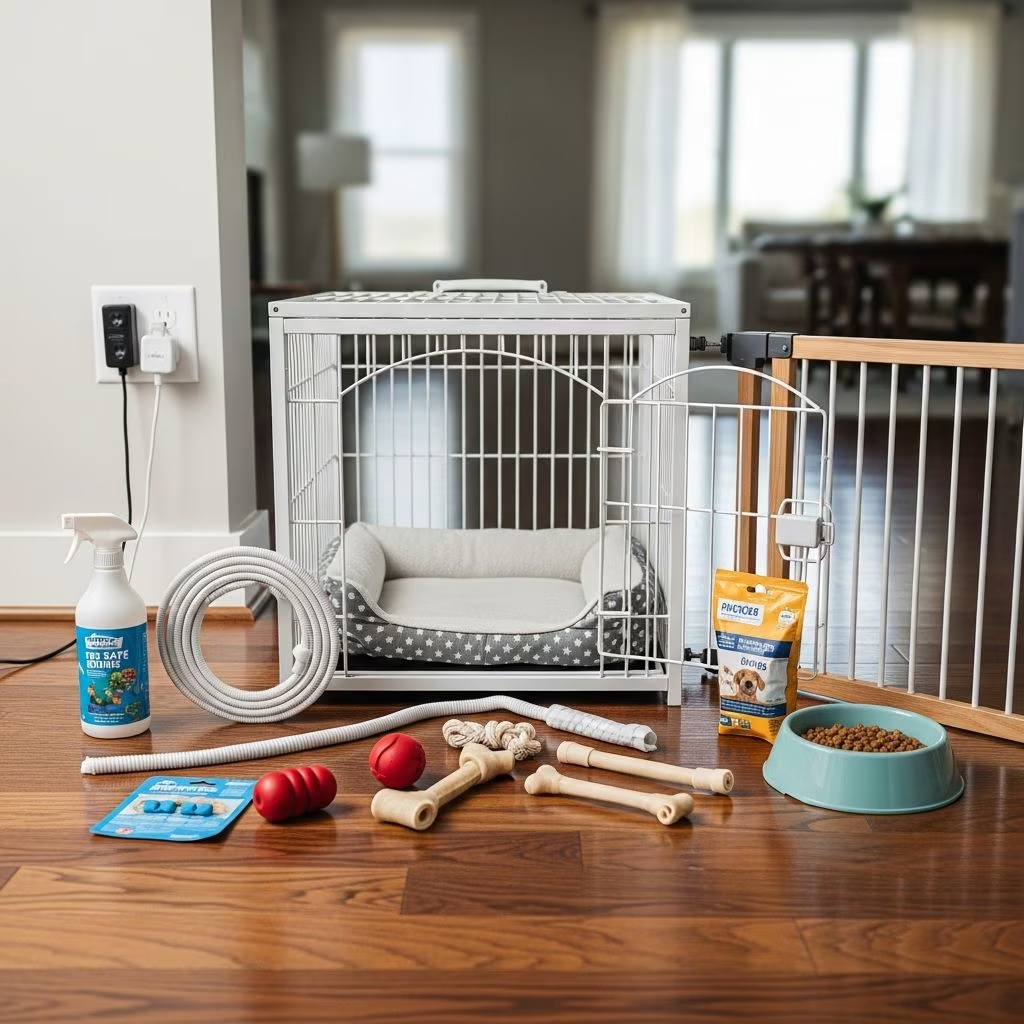
Bringing a puppy into your home marks the start of an exciting journey filled with joy, but it also demands proactive steps to create a secure environment. Puppies explore the world with their mouths, noses, and boundless energy, often leading to potential accidents if everyday items aren’t addressed. This guide outlines key measures to eliminate risks, drawing from established pet safety practices to ensure both your puppy’s well-being and your home’s integrity.
Understanding Puppy Behavior and Risks
Puppies between 8 and 16 weeks are particularly prone to chewing, ingesting foreign objects, and squeezing into tight spaces due to their teething phase and natural curiosity. Common issues include electrical shocks from cords, poisoning from household chemicals, and injuries from falls or sharp objects. By anticipating these behaviors, owners can transform their space into a haven.
Start by adopting a puppy’s perspective: crawl on the floor to spot overlooked dangers like dangling wires or tiny toys. This low-level inspection reveals hazards invisible from an adult’s viewpoint, allowing for targeted fixes.
Creating a Safe Indoor Sanctuary
Designate a puppy-specific zone equipped with a comfortable bed, water bowl, and durable toys to encourage appropriate play. This confined area, such as a playpen or gated corner, limits access to the rest of the house during unsupervised moments, fostering good habits from day one.
- Choose chew-resistant toys like rubber Kongs filled with treats to redirect destructive tendencies.
- Line the space with washable mats for easy cleanup of accidents.
- Introduce the area gradually with positive reinforcement to build comfort.
Securing Living and Common Areas
In family rooms and hallways, prioritize stability and accessibility. Anchor heavy furniture like bookshelves and TVs to walls using brackets to prevent tip-overs, a leading cause of pet injuries. Pick up small items such as remotes, coins, or batteries that pose choking risks.
Houseplants like lilies and philodendrons are toxic if nibbled; relocate them to high shelves or opt for pet-safe alternatives. Use no-chew sprays on furniture legs, combining bitter apple extracts with training to deter gnawing.
Kitchen and Bathroom Fortifications
These zones brim with temptations. Install child-proof latches on lower cabinets to block access to cleaners, medications, and sharp utensils. Opt for pedal-controlled trash bins with locking lids to contain odorous scraps that attract foraging pups.
| Hazard | Solution | Why It Matters |
|---|---|---|
| Cleaning supplies | Locked high cabinets | Ingestion causes poisoning |
| Trash bins | Secure lids | Prevents scavenging toxins |
| Lower drawers | Cabinet locks | Blocks knives/tools |
| Toilet access | Lid down, gates | Avoids drowning risk |
Keep toilet lids closed and consider splash guards. In kitchens, elevate appliances and avoid table feeding to prevent begging behaviors.
Electrical and Cord Management
Exposed wires invite disaster—chewing can lead to electrocution. Bundle cords with spiral wraps, route them through PVC conduits, or use cord covers. Plug unused outlets with safety caps, and tape down loose extension cords.
Supervise charging stations; puppies may mistake lithium batteries for toys, risking chemical burns if punctured.
Mastering Vertical and Entryway Protections
Stairs, doors, and windows demand vigilance. Erect expandable gates at stair tops and bottoms—choose models over 36 inches tall for energetic breeds. Freestanding options work for doorways without permanent fixtures.
Secure windows with locks and remove screen gaps; puppies can plunge from heights. Tie up blind and curtain cords to neck-level safe heights, preventing strangulation.
- Deadbolt exterior doors for added security.
- Motion-activated cameras alert to wanderings.
- Balcony railings: Fill gaps with plexiglass shields.
Outdoor Yard and Perimeter Safeguards
Extend protections outside where escape and environmental hazards lurk. Inspect fences for digs, gaps, or climbable spots; bury chicken wire 12 inches underground along bases and cap with concrete for dig-proofing.
Ensure gates latch securely with self-closing hinges. For pools or ponds, install dedicated fencing at least 4 feet high with self-locking gates, as per safety guidelines.
Remove toxic yard plants like azaleas, oleander, and sago palms. Check garages for antifreeze puddles, fertilizers, or tools; store in sealed bins.
Weather and Seasonal Considerations
In hot climates, provide shaded water stations; cold areas need insulated bowls. Mulch with pet-safe cedar instead of cocoa, which is chocolate-scented and toxic.
Training Integration for Lasting Safety
Proofing pairs with education. Use crates for short absences, teaching alone-time comfort. Enzymatic cleaners erase potty scents, preventing repeat spots.
Leash indoors initially for control. Reward floor-only pottying and ignore attention-seeking nips. Consistent routines build boundaries.
Common Mistakes to Sidestep
Overlooking supervision leads to habits; constant eyes-on for the first months is crucial. Skipping yard checks allows escapes. Relying solely on gates without training ignores long-term needs.
- Don’t use human baby items interchangeably—pet gates must withstand jumping.
- Avoid retractable leashes indoors; they encourage pulling.
- Stock extra enzymatic spray for surprises.
Frequently Asked Questions
How long does puppy-proofing take?
Initial setup spans 1-2 days, but ongoing tweaks last months as the puppy grows.
Are baby gates sufficient for puppies?
Yes, for most under 20 lbs; taller breeds need heavy-duty models.
What if my rental doesn’t allow changes?
Use temporary fixes like tension gates, cord clips, and portable pens.
Can I puppy-proof on a budget?
Absolutely—DIY cord wraps from hardware stores and free decluttering save costs.
Is crate training part of proofing?
Essential; it provides a safe den equivalent.
Long-Term Maintenance Strategies
As puppies mature, reassess: remove gates gradually post-house training. Annual yard audits catch wear. Update with breed-specific needs, like herding dogs needing more space.
Word count: 1678 (excluding metadata and references).
References
- 10 Tips for Puppy Proofing Your Home, Inside and Out — SafeWise. 2023-05-15. https://www.safewise.com/blog/10-tips-for-puppy-proofing-your-home/
- How to Puppy Proof Your House: The Ultimate Checklist — Invisible Fence. 2024-02-20. https://www.invisiblefence.com/resource-center/articles/puppy-proof-checklist
- Puppy-Proofing Your Home: A Full Guide — Sit Means Sit College Station. 2023-11-10. https://www.sitmeanssitcollegestation.com/puppy-proofing-your-home-a-full-guide/
- Safe & Sound: A Guide to Puppy Proofing Your Home — Guide Dogs. 2024-01-05. https://www.guidedogs.com/puppy-raising-guidebook/fundamentals-pups-2-to-5-months/puppy-proofing-your-home
- Puppy-Proofing Tips for Your Home And Yard — American Kennel Club. 2023-08-22. https://www.akc.org/expert-advice/puppy-information/puppy-proofing-tips-for-your-home-and-yard/



