

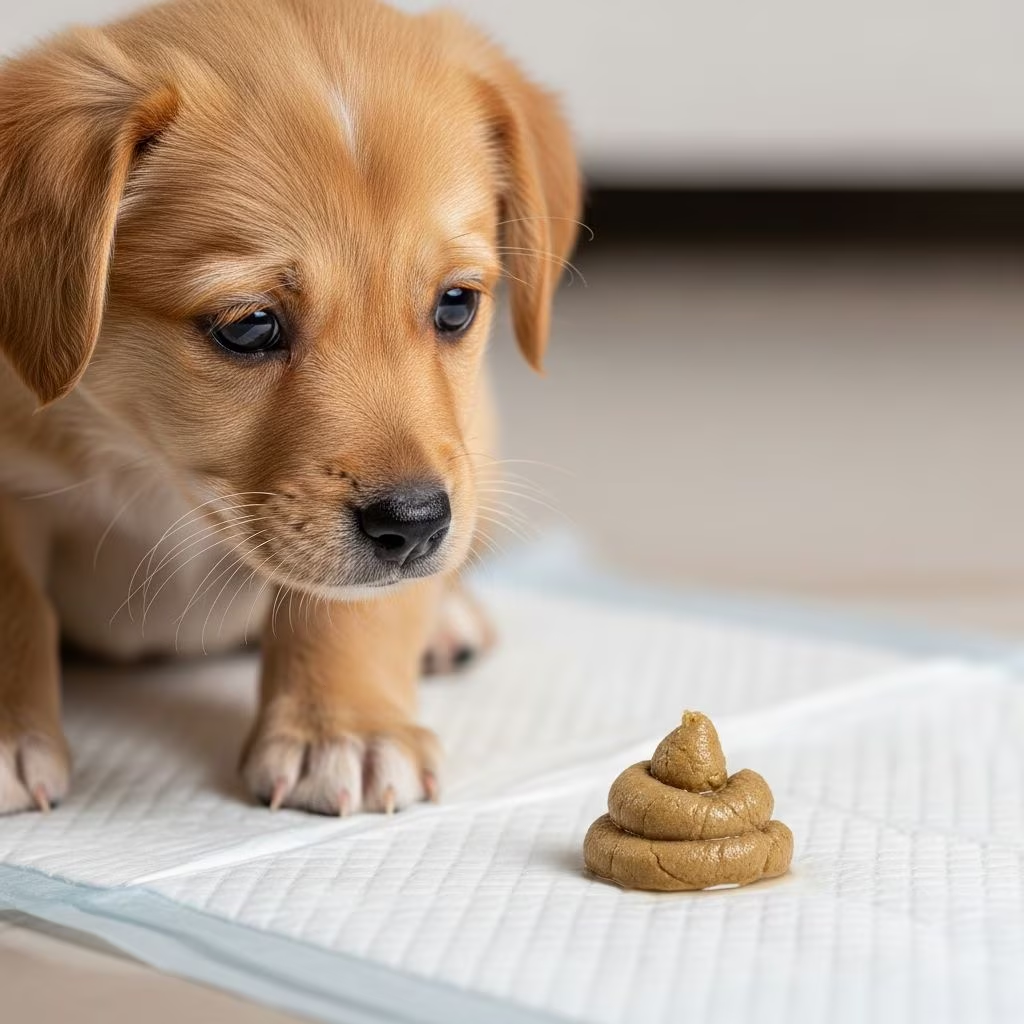
Soft puppy poop is a common concern for new dog owners, often indicating digestive upset that can range from minor diet issues to serious health problems. While occasional soft stools may resolve on their own, persistent softness requires attention to prevent dehydration and nutrient loss in vulnerable puppies. This comprehensive guide draws from veterinary insights to explain why your puppy’s poop is soft, how to firm it up, and when to seek professional help.
What Does Soft Puppy Poop Look Like?
Normal puppy stool is firm, segmented, and easy to pick up, resembling a log or banana shape. Soft puppy poop, by contrast, is mushy, pudding-like, or diarrheal, often difficult to scoop and leaving wet spots. It may contain mucus, blood, or undigested food, signaling inflammation or poor absorption. Puppies on milk may have naturally softer stools during weaning, but fully weaned pups should produce solid waste.
Observe color too: brown is ideal; yellow suggests rapid transit, black indicates digested blood, and green points to bile issues. Frequency matters—more than 3-4 soft bowel movements daily warrants monitoring.
Common Causes of Soft Puppy Poop
Several factors contribute to soft stools in puppies, often overlapping. Identifying the trigger is key to effective treatment.
1. Dietary indiscretion or sudden changes
Abrupt switches in food brand, type, or introducing treats/table scraps disrupt gut bacteria, leading to soft poop. Puppies’ sensitive systems need gradual transitions over 7-10 days: mix 25% new food with 75% old on day 1, increasing incrementally. Scavenging garbage or human food exacerbates this.
2. Food intolerances or allergies
Sensitivities to beef, dairy, chicken, wheat, or grains cause chronic soft stools, itching, ear infections, vomiting, or gas. Unlike adult dogs, puppies show subtler allergy signs. Trial hypoallergenic or novel protein diets under vet guidance.
3. Overfeeding
Exceeding portion guidelines overloads digestion, expelling undigested food as soft stool. Check labels for age/weight-based amounts; puppies need measured meals 3-4 times daily, not free-feeding.
4. Infections (bacterial, viral, parasites)
Bacteria like E. coli, viruses such as parvovirus, or worms (roundworms, hookworms, whipworms) damage intestinal lining, causing inflammation and malabsorption. Puppies are highly susceptible; symptoms include lethargy, vomiting, and bloody diarrhea. Fecal tests confirm parasites.
5. Stress
New homes, travel, or separation anxiety speed gut transit, softening stools. Common in shelter pups or during weaning.
6. Medications
Antibiotics kill beneficial gut bacteria, unbalancing flora and causing soft poop. Probiotics aid recovery.
7. Other factors: Worms, IBD, or weaning
Parasites are prevalent in puppies; deworming is routine. Inflammatory bowel disease (IBD) or weaning milk diets also contribute.
How to Firm Up Soft Puppy Poop at Home
For mild cases with no other symptoms (lethargy, vomiting, blood), try these vet-recommended steps:
- Fast briefly: Withhold food 12-24 hours (water okay) to rest the gut, especially for puppies over 8 weeks.
- Bland diet: Feed boiled white chicken (skinless) and white rice in small, frequent meals for 2-3 days. Ratio: 1:2 chicken to rice. Gradually reintroduce regular food.
- Add fiber: Plain canned pumpkin (1-4 tsp per 10 lbs body weight daily) or cooked sweet potato absorbs water and bulks stool. Psyllium husk or inulin acts as prebiotics.
- Probiotics: Fortify gut flora with puppy-safe supplements containing Lactobacillus or Bifidobacterium.
- Hydrate: Ensure fresh water; add low-sodium broth if needed. Dehydration worsens soft stools.
Monitor: Stools should firm within 48 hours. Avoid over-the-counter human meds like Pepto-Bismol, toxic to dogs.
Prevention Tips for Firm Puppy Poops
Maintain digestive health proactively:
- Feed high-quality, digestible puppy food: meat-based, high-protein/fiber, no fillers. Avoid dairy, fatty scraps.
- Consistent schedule: 3-4 small meals daily; no free-feeding.
- Slow transitions: 7-14 days for diet changes.
- Routine deworming/vaccinations: Follow vet schedule for parvovirus prevention.
- Stress reduction: Crate training, exercise, routines.
- Portion control: Weigh food; adjust for growth/activity.
| Factor | Ideal Daily Amount (per 10 lbs puppy) | Benefit |
|---|---|---|
| Pumpkin | 1-2 tsp | Fiber for bulking |
| Probiotics | Follow label | Gut balance |
| Water | 1 oz per lb body weight | Hydration/absorption |
| Exercise | 30-60 min walks/play | Regulates bowels |
When to See a Vet for Soft Puppy Poop
Seek immediate care if:
- Diarrhea lasts >48 hours or worsens.
- Blood, black/tarry, or foul-smelling stool.
- Vomiting, fever, lethargy, appetite loss.
- Puppy <8 weeks, unvaccinated, or dehydrated (dry gums, sunken eyes).
- Weight loss or bloating.
Vets perform fecal analysis, bloodwork (CBC, chemistry), urinalysis to diagnose. Treatments: antibiotics for bacteria, dewormers, fluids for viruses, or diet trials for allergies.
Frequently Asked Questions (FAQs)
Q: Is soft poop normal in puppies?
A: Occasional softness from weaning or teething is common, but persistent cases need investigation to rule out parasites or diet issues.
Q: Can pumpkin fix soft puppy poop?
A: Yes, its soluble fiber firms stools quickly; use plain canned, not pie filling. Start small to avoid opposite effect.
Q: How long to transition puppy food?
A: 7-10 days minimum; up to 2 weeks for sensitive pups. Monitor stools throughout.
Q: What if my puppy has bloody soft poop?
A: Emergency—could be parvovirus or parasites. Contact vet immediately.
Q: Are probiotics safe for puppies?
A: Yes, vet-approved ones restore gut health post-antibiotics or diarrhea.
Understanding Your Puppy’s Poop Chart
Use this simple scale to track stool quality:
| Score | Consistency | Action |
|---|---|---|
| 1 | Liquid | Vet now |
| 2 | Very soft | Bland diet, monitor |
| 3 | Soft/smeary | Fiber/probiotics |
| 4 | Firm/log | Ideal |
| 5 | Hard/dry | Increase water/fiber |
Aim for 3-4; log daily for patterns.
References
- 8 Causes of Soft Dog Poop (and Ways to Firm it Up) — PetLab Co. 2023. https://thepetlabco.com/learn/dog/health-wellness/soft-dog-poop
- Diarrhea in Puppies: What Causes It and What To Do With It — Leerburg. N/A. https://leerburg.com/diarrhea.htm
- Puppy Diarrhea — PetMD. 2023. https://www.petmd.com/dog/symptoms/puppy-diarrhea
- Puppy Diarrhea: Causes, Symptoms & Treatment — Purina US. 2023. https://www.purina.com/articles/dog/puppy/health/puppy-diarrhea
- Dog Diarrhea: What You Need to Know — AnimalBiome. 2023. https://www.animalbiome.com/blogs/pet-health/dog-diarrhea-what-you-need-to-know
- Is Soft Stool Normal for Dogs? — DoodyCalls. 2023. https://www.doodycalls.com/articles/blog/dog-health-digestion/is-soft-stool-normal-for-dogs-/
- Diarrhea — Cornell University College of Veterinary Medicine. 2024-01-14. https://www.vet.cornell.edu/departments-centers-and-institutes/riney-canine-health-center/canine-health-information/diarrhea



