

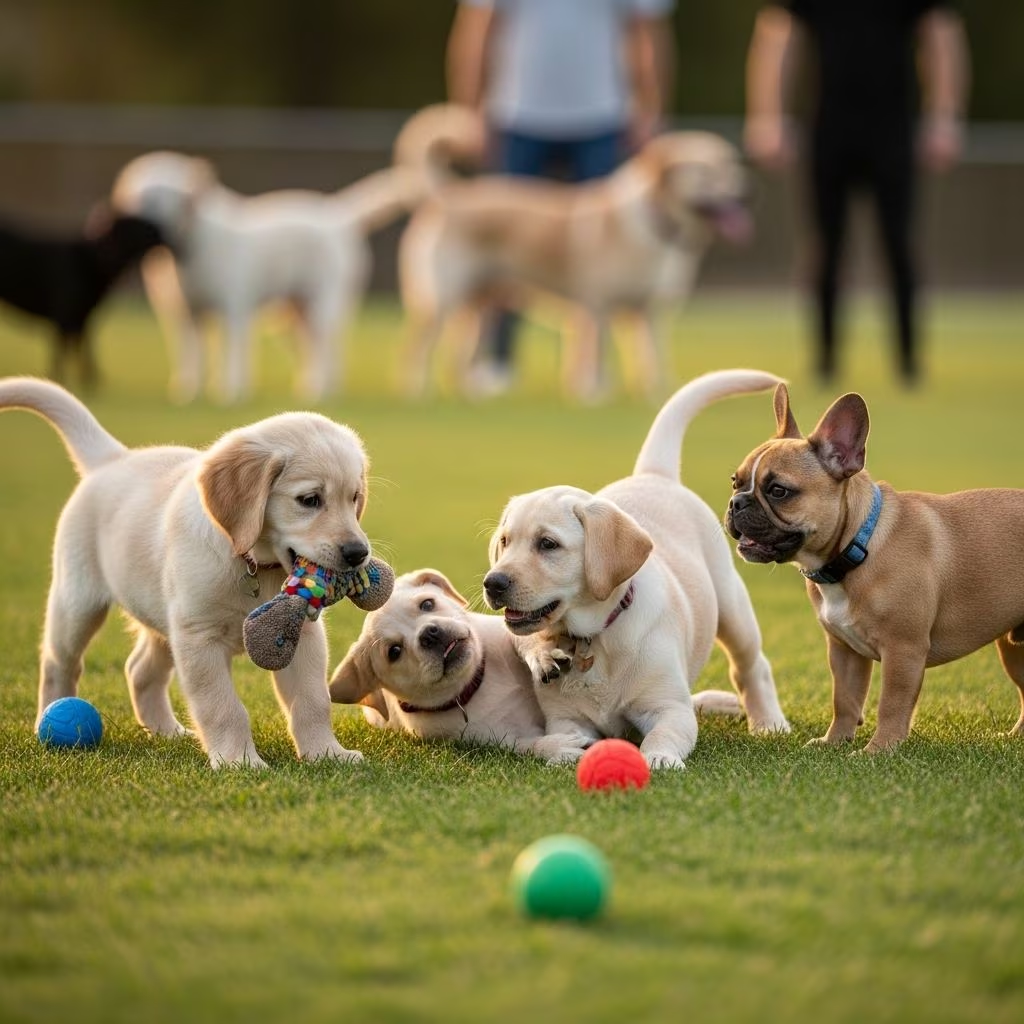
Effective socialization during a puppy’s early weeks shapes their lifelong behavior, confidence, and adaptability. The critical period from 3 to 16 weeks offers the prime window for positive exposures to people, environments, and other animals, preventing fear-based issues later.
Understanding the Critical Socialization Window
Puppies’ brains are highly receptive to new stimuli between 3 and 14 weeks, making this phase ideal for building positive associations. During this time, exposures to diverse sights, sounds, and interactions help them view the world as safe and enjoyable. Missing this window increases risks of anxiety or aggression in adulthood.
By 16 weeks, the window narrows, but ongoing gentle introductions remain beneficial. Plan daily short sessions to maximize neural development without overwhelming the pup.
Key Principles of Positive Puppy Socialization
Focus on positive reinforcement to link new experiences with rewards like treats, praise, or toys. This technique encourages calm curiosity over fear.
- Keep sessions brief (5-10 minutes) and frequent (twice weekly minimum outings).
- Observe body language: tail wagging signals comfort; ears back or freezing indicates stress—back off immediately.
- Never force interactions; let the puppy approach at their pace.
Your calm demeanor influences their response—stay upbeat to transmit confidence.
Daily Playtime Needs for Healthy Development
Puppies require structured play to burn energy, practice social skills, and strengthen bonds. Aim for 15-30 minutes of interactive play daily, split into short bursts to match attention spans. Overdoing it leads to overstimulation; underdoing it risks boredom-induced mischief.
| Age Range | Recommended Playtime | Focus Areas |
|---|---|---|
| 3-8 weeks | 10-15 min, 2-3x/day | Gentle handling, household sounds |
| 8-12 weeks | 20-30 min, 3x/day | Short walks, people meetings |
| 12-16 weeks | 30-45 min, including classes | Controlled playgroups, varied surfaces |
Adjust based on breed: high-energy breeds like Border Collies need more, while brachycephalic types like Bulldogs tire quickly.
Step-by-Step Socialization Plan
Week 1-4: Home-Based Foundations
Start indoors with family handling to build trust. Gently touch paws, ears, mouth, and tail while offering treats—prepares for grooming and vet visits.
- Expose to vacuum cleaners, doorbells, and TV noises at low volume.
- Practice collar fitting and leash walking in a quiet room.
- Involve all household members for varied interactions.
Week 5-8: Community Introductions
Venture outdoors carrying the puppy in arms or a carrier to observe traffic, people, and weather without ground risks pre-vaccination. Meet friendly strangers of diverse appearances: bearded men, children, hat-wearers.
Daily walks begin once vaccinated; stick to clean paths.
Week 9-12: Expanding Horizons
Introduce novel surfaces (grass, gravel, tile) and sounds (bikes, sirens). Arrange private playdates with vaccinated, gentle adult dogs in controlled yards.
Enroll in puppy classes for supervised peer play—ensures age-appropriate, vaccinated groups.
Week 13-16: Refinement and Reinforcement
Continue exposures while monitoring for fear signs. Attend advanced classes focusing on recall amid distractions. Solidify positives with ongoing rewards.
Handling and Touch Desensitization Techniques
Regular gentle touching prevents vet-visit stress. Pair every touch with high-value treats.
| Body Part | Technique | Purpose |
|---|---|---|
| Paws & Nails | Hold, gently squeeze, simulate clipping | Manicure readiness |
| Ears & Mouth | Soft wipes, finger brushing | Cleaning & dental prep |
| Belly & Tail | Rubs, light strokes | Grooming tolerance |
| Full Body | Towel wipes, hugging | Bathing & restraint |
Progress slowly; if resistance appears, reduce intensity and retry.
Supervised Play with Other Dogs
Quality trumps quantity in dog interactions. Limit to 10-15 minute sessions with matched-size, playful pups. Watch for bullying or excessive mounting—interrupt calmly.
Puppy classes provide ideal settings: trainers monitor play, teaching bite inhibition and boundaries. Avoid dog parks until fully vaccinated and mature (6+ months).
Common Pitfalls and How to Avoid Them
Overstimulation: Signs include yawning, lip-licking, or shutdown. Pause and soothe.
Forced Encounters: Pushing shy pups creates aversions. Lure with treats from afar.
Uncontrolled Environments: Skip busy streets or off-leash areas early; opt for predictable settings.
Role of Nutrition and Rest in Socialization
High-quality puppy food fuels brain development; omega-3s support cognitive growth. Ensure 18-20 hours of sleep daily—crucial for processing experiences. Use crates for safe naps amid household bustle.
Long-Term Benefits of Early Socialization
Well-socialized pups grow into adaptable adults, reducing separation anxiety, reactivity, and shelter surrenders. Invest now for a lifetime companion.
Frequently Asked Questions
What if my puppy seems scared of something new?
Reduce distance or intensity, add rewards, and retry later. Consistency builds confidence without trauma.
Can I socialize before full vaccinations?
Yes, via carrying, private yards, and clean indoors. Avoid public dog areas.
How do I know if socialization is working?
Look for eager exploration, relaxed posture, and quick recovery from novelties.
What’s the best age for puppy classes?
8-12 weeks, post-initial shots, for peak receptivity.
Do older puppies need socialization?
Yes, though slower; focus on positives to reshape experiences.
References
- Puppy Socialization: The Ultimate Guide — Chewy. 2023. https://www.chewy.com/education/dog/training-and-behavior/positively-trained-puppy-socialization-dos-and-donts
- Puppy Behavior and Training – Socialization and Fear Prevention — VCA Animal Hospitals. 2024. https://vcahospitals.com/know-your-pet/puppy-behavior-and-training—socialization-and-fear-prevention
- Puppy Socialization: When & How to Socialize a Puppy — Purina. 2024. https://www.purina.com/articles/dog/puppy/training/how-to-socialize-puppy
- A Guide to Successful Puppy Socialization — IndeVets. 2023. https://indevets.com/blog/puppy-socialization-how-to-ensure-your-new-canine-companion-is-well-adjusted-and-confident/
- How to Socialize Your New Puppy — Leerburg. 2022. https://leerburg.com/socializepuppies.htm
- How to Socialize a Puppy — American Kennel Club. 2024. https://www.akc.org/expert-advice/training/puppy-socialization/
- Puppy Socialization Timeline: Critical Windows & Milestones — Wagbar. 2024. https://www.wagbar.com/puppy-socialization-timeline-critical-windows-milestones-3-16-weeks



