
Puppy Parasites: Giardia and Coccidia Risks
Discover how to spot, treat, and prevent Giardia and Coccidia infections in puppies to keep your young dog healthy and thriving.
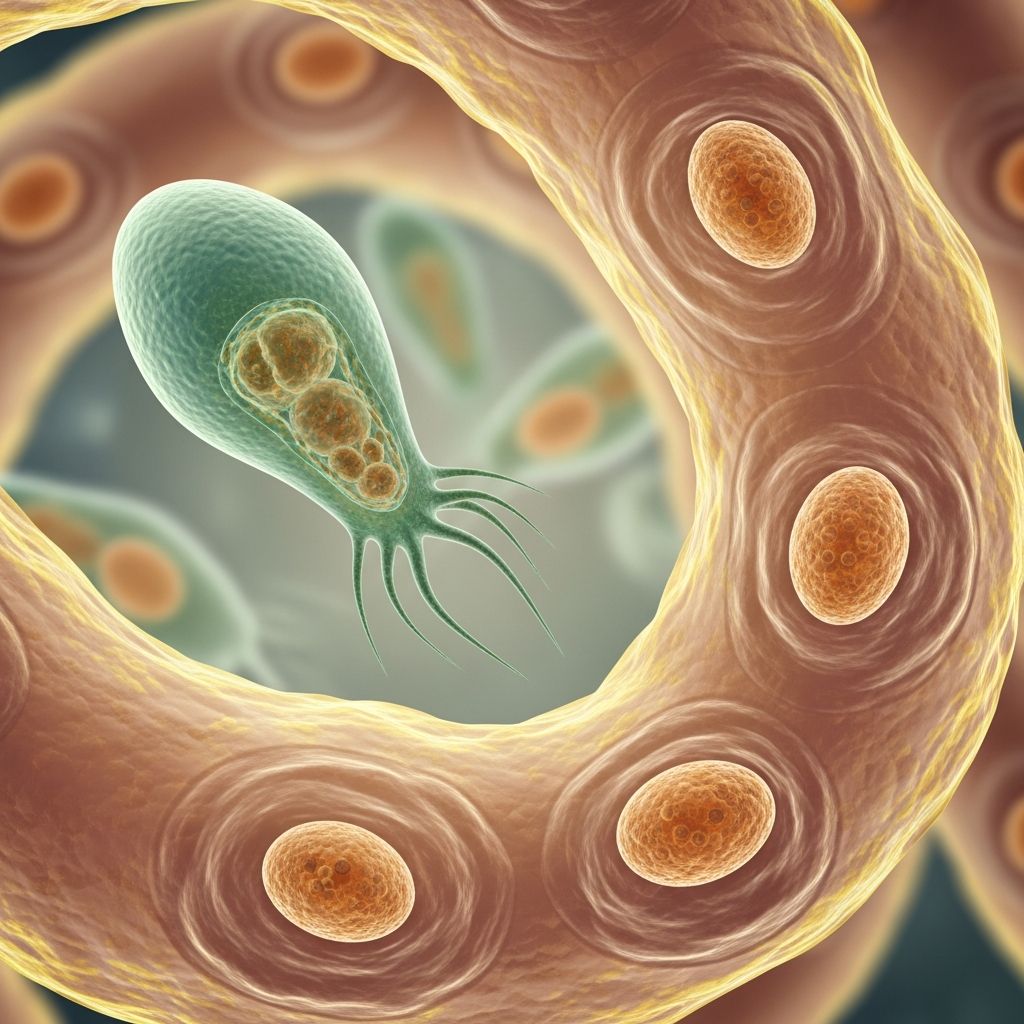
Young dogs face numerous health threats, but few are as common and disruptive as Giardia and Coccidia infections. These microscopic protozoan parasites target the intestinal tract, leading to severe diarrhea, dehydration, and potential life-threatening complications in vulnerable puppies. Understanding these conditions empowers pet owners to act swiftly, ensuring their furry companions recover fully and avoid reinfection.
Understanding the Nature of These Intestinal Invaders
Giardia, a flagellated protozoan, thrives in contaminated water sources, soil, and feces, often spreading through ingestion of cysts shed by infected animals or humans. Unlike worms, Giardia attaches to the small intestine’s lining, interfering with nutrient absorption and causing malabsorption issues. Coccidia, specifically Isospora species in dogs, are spore-forming parasites that invade intestinal cells, multiplying rapidly and damaging the gut wall during their life cycle.
Both parasites disproportionately affect puppies due to immature immune systems and higher exposure risks in multi-pet environments or outdoor play areas. Puppies under six months are particularly susceptible, as their developing guts cannot efficiently combat these invaders.
Recognizing Early Warning Signs in Your Puppy
Symptoms often overlap, making differentiation challenging without veterinary testing. Common indicators include:
- Watery or mucousy diarrhea: Frequently pale or foul-smelling, progressing to bloody stools in advanced Coccidia cases.
- Vomiting and loss of appetite: Leading to rapid weight loss and weakness.
- Lethargy and dehydration: Sunken eyes, dry gums, and skin that tents when pinched signal urgent needs.
- Abdominal pain: Puppies may hunch or whine when touched.
Early detection is critical; untreated infections can escalate to severe dehydration requiring hospitalization, especially in Coccidia cases where intestinal sloughing causes massive fluid loss.
How Veterinarians Confirm These Infections
Diagnosis relies on fecal analysis. Vets examine fresh stool samples under a microscope for Giardia cysts or Coccidia oocysts. Due to intermittent shedding, multiple samples or advanced tests like fecal flotation with centrifugation may be needed. In persistent cases, PCR testing identifies parasite DNA with high accuracy.
Not all positive results demand treatment; asymptomatic adults often clear infections naturally. However, puppies showing clinical signs require intervention to prevent complications.
Effective Treatment Strategies for Giardia
Giardiasis management focuses on eliminating cysts and supporting recovery. Primary medications include:
| Drug | Dosage | Duration | Notes |
|---|---|---|---|
| Fenbendazole (Panacur) | 50 mg/kg once daily | 3-5 days | Effective against cysts; safe for puppies |
| Metronidazole | 10-25 mg/kg twice daily | 5-7 days | FDA-approved option; use cautiously due to potential neurotoxicity[10] |
Combination therapy may be used for refractory cases. Supportive care involves probiotics, high-fiber diets to firm stools, and electrolyte solutions like Pedialyte to combat dehydration. Bathing the puppy, especially the rear, during treatment removes lingering cysts and prevents reinfection.
Follow-up fecal tests 1-2 weeks post-treatment confirm clearance. In multi-pet homes, treat all animals simultaneously, even if asymptomatic.
Combating Coccidia: Targeted Therapies
Coccidiosis treatment halts parasite reproduction, allowing the puppy’s immunity to clear the infection. Key drugs are:
| Drug | Dosage | Duration | Notes |
|---|---|---|---|
| Sulfadimethoxine (Albon) | 50-60 mg/kg first dose, then 25-30 mg/kg daily | 5-25 days | Sulfa antibiotic; standard for puppies |
| Ponazuril | 20 mg/kg once or divided | 1-3 days | Emerging option; highly effective |
| Trimethoprim-sulfadiazine (Tribrissen) | Vet-determined | 1-3 weeks | Combination for resistant cases |
Severe cases demand IV fluids and hospitalization. Prognosis is excellent with prompt care, but incomplete treatment risks recurrence.
Prevention: Building a Parasite-Free Environment
Proactive measures minimize risks:
- Hygiene protocols: Remove feces immediately from yards and use diluted bleach (1:32) or steam cleaning for disinfection, as these parasites resist many cleaners.
- Bathing routines: Weekly baths for at-risk puppies, focusing on perianal area.
- Water safety: Avoid standing water, ponds, or streams; provide fresh, clean bowls daily.
- Quarantine new pets: Fecal test adoptees before introducing to residents.
- Prophylactic deworming: Follow vet schedules, though not fully preventive for protozoa.
Environmental decontamination is vital; oocysts can sporulate and persist for months in cool, moist conditions.
Potential Complications and Long-Term Outlook
While most puppies recover fully, delays can lead to malnutrition, stunted growth, or secondary bacterial infections. Zoonotic potential exists with certain Giardia strains, urging handwashing after cleanup. Regular vet check-ups and parasite screenings maintain health.
With vigilant care, affected puppies lead normal lives. Owners report full resolution post-treatment, highlighting the importance of education.
Frequently Asked Questions (FAQs)
Can humans catch Giardia or Coccidia from puppies?
Giardia has zoonotic strains transmissible via contaminated water or feces; Coccidia in dogs is generally not zoonotic. Practice good hygiene.
How long is a puppy contagious after starting treatment?
Typically 1-2 weeks; retesting confirms non-shedding status.
Is over-the-counter deworming effective?
No; broad-spectrum dewormers target helminths, not protozoa. Vet prescription required.
What if symptoms persist after treatment?
Seek re-evaluation; may indicate resistance, co-infections, or need for extended therapy.
Can vaccines prevent these parasites?
No vaccines available; prevention relies on sanitation and prompt treatment.
References
- Coccidia and Giardia – The “Non-Worm” Parasites — Frontier Vet. Accessed 2026. https://frontiervet.com/blog/coccidia-and-giardia-the-non-worm-parasites/
- Coccidia in Puppies: Symptoms, Diagnosis, Treatment — Pawlicy Advisor. Accessed 2026. https://www.pawlicy.com/blog/coccidia-in-puppies/
- Giardiasis and Coccidiosis in Puppies — Whole Dog Journal. Accessed 2026. https://www.whole-dog-journal.com/puppies/puppy-health/giardiasis-and-coccidiosis-in-puppies/
- Coccidia in Dogs: Symptoms, Treatment, and Prevention — PetMD. Accessed 2026. https://www.petmd.com/dog/conditions/infectious-parasitic/coccidia-in-dogs
- Giardia – Companion Animal Parasite Council — CAPC. Accessed 2026. https://capcvet.org/guidelines/giardia/
Similar Articles








Read full bio of medha deb




