
Puppy Pads for House Training: Worth It?
Discover if puppy pads speed up or slow down house training for your dog with this balanced guide to benefits, risks, and best practices.
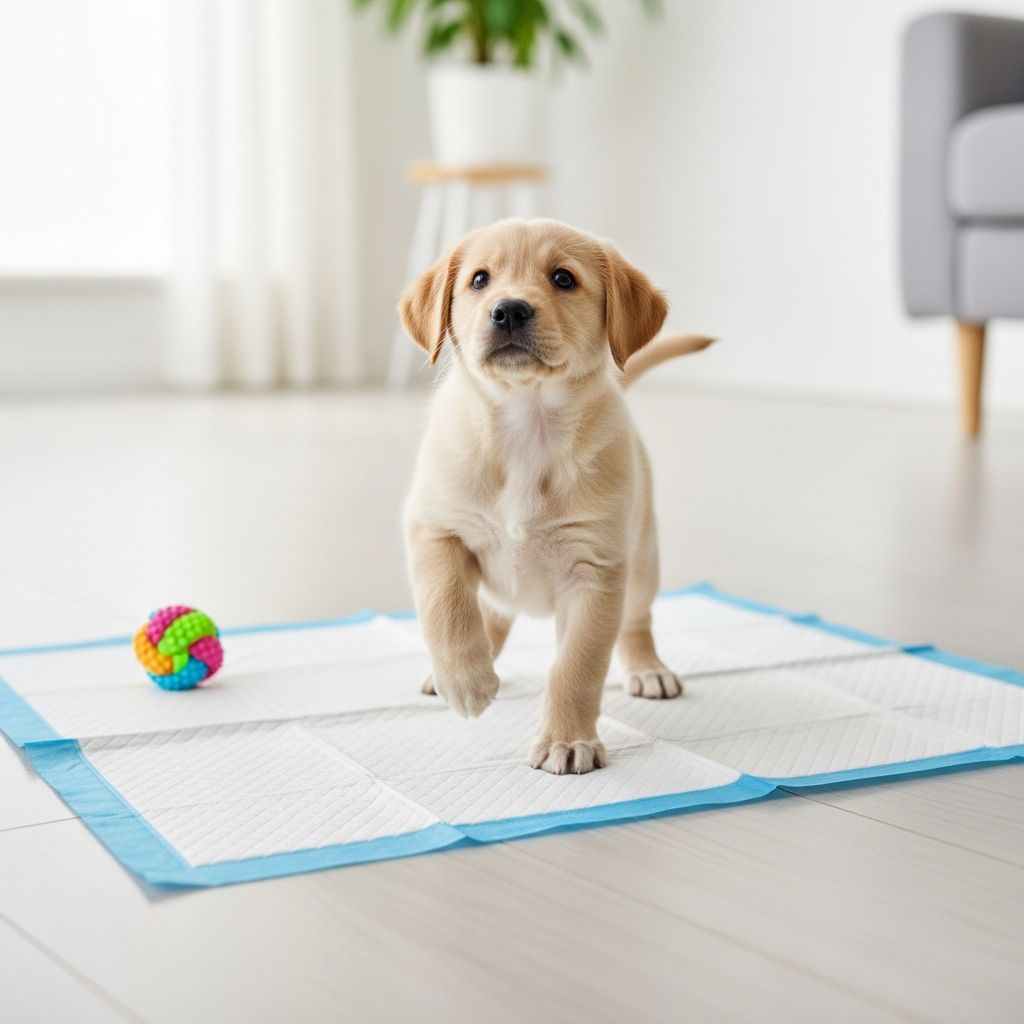
House training a new puppy ranks among the top challenges for dog owners, and absorbent puppy pads often emerge as a popular solution. These disposable or reusable mats promise quick cleanup and a designated indoor spot for elimination, especially useful in tight spaces or during harsh weather. However, their role in long-term success sparks debate among trainers and veterinarians. This guide weighs the key benefits against potential setbacks, offering practical strategies to decide if they fit your lifestyle and your dog’s needs.
Understanding Puppy Pads and Their Role in Training
Puppy pads, also called pee pads or potty pads, consist of multi-layered absorbent materials designed to soak up urine and control odors. They typically feature a plastic backing to prevent leaks and often include pheromone attractants to draw dogs to the spot. Introduced in the mid-20th century for convenience, they gained traction with urban pet parents facing limited outdoor access.
At their core, pads target a puppy’s natural instincts by creating a consistent, easy-to-reach elimination zone. Young dogs under 16 weeks lack full bladder control, holding urine only for about one hour per month of age plus one—meaning a 2-month-old pup manages roughly three hours max. Pads bridge gaps when immediate outdoor trips prove impractical.
Key Advantages of Incorporating Puppy Pads
While not a one-size-fits-all tool, puppy pads shine in specific scenarios, providing relief for both dogs and owners.
- Simplified Cleanup and Floor Protection: Pads trap moisture effectively, reducing stains on carpets or hardwood. Tossing disposables or washing reusables beats scrubbing accidents, saving time for busy schedules.
- Accessibility in Challenging Living Situations: High-rise apartments, mobility limitations, or long work hours make outdoor potty breaks tough. Pads offer an indoor alternative, preventing mishaps during elevator waits or commutes.
- Weather-Independent Option: Rain, snow, or extreme heat discourages some dogs from eliminating outside. Pads keep training consistent without forcing discomfort.
- Support for Vulnerable Dogs: Unvaccinated puppies avoid public areas; seniors with incontinence or disabled pets benefit from reliable indoor spots. They also aid during recovery from illness.
- Establishing Routines Early: Attractant scents guide pups to the pad, reinforcing location-specific elimination away from bedding or food areas.
These perks make pads a temporary ally, particularly for first-time owners navigating the initial 4-6 months of training.
Potential Drawbacks and Training Hurdles
Despite conveniences, pads carry risks that can prolong or complicate full housebreaking if mismanaged.
- Surface Confusion: Dogs may generalize thin, absorbent textures to rugs, mats, towels, or newspapers, leading to indoor accidents beyond the pad.
- Mixed Signals for Outdoor Transition: Simultaneous indoor and outdoor training confuses pups, fostering pad dependency. Shifting habits later demands extra effort.
- Chewing and Ingestion Hazards: Teething puppies often shred pads, risking intestinal blockages from swallowed pieces—a veterinary emergency.
- Resting in Waste: Some dogs nap on used pads, ignoring instincts to separate sleeping and potty zones, which delays progress and breeds bacteria.
- Behavioral Issues Like Coprophagia: Unsupervised pad use enables stool-eating, harder to monitor than leashed walks.
- Ongoing Costs and Environmental Impact: Disposable pads accumulate expenses and landfill waste; reusables require laundering.
Trainers note these issues arise most when pads become permanent rather than transitional tools.
Who Benefits Most from Puppy Pads?
Not every household suits pads, but certain profiles gain the most.
| Situation | Why Pads Help | Example |
|---|---|---|
| Apartment Dwellers | Quick access without stairs/elevators | 10th-floor residents |
| Working Professionals | Covers 8+ hour absences | Office workers with crates |
| Extreme Climates | Indoor option year-round | Cold winters or hot summers |
| Senior or Medical Cases | Low mobility needs | Arthritic dogs or owners |
| Newborn Pups | Frequent, small bladder needs | 8-12 week olds |
For suburban yards or frequent home-stayers, direct outdoor training often proves simpler and faster.
Effective Strategies for Successful Pad Use
To harness benefits while minimizing risks, follow these proven steps.
- Select the Right Type: Opt for grass-scented or attractant-infused disposables for starters; switch to washable for sustainability.
- Fixed Location: Place in a quiet, accessible crate-adjacent area. Avoid moving it to prevent confusion.
- Supervise Diligently: Watch for sniffing/circling signs; escort to pad immediately. Reward with treats/praise post-use.
- Clean Accidents:
- Use enzymatic cleaners to erase scents, deterring repeat spots.
- Schedule Breaks: Every 2-4 hours, plus after meals, play, naps. Nighttime crate without pad builds control.
- Hygiene Maintenance: Swap pads daily; multiple for heavy users to avoid odors.
Consistency accelerates results, typically seeing reliability in 2-4 weeks.
Transitioning from Pads to Outdoor Potty
Plan the switch after 4-6 months or consistent outdoor success. Gradual methods work best:
- Introduce outdoor trips alongside pads, praising yard elimination more lavishly.
- Gradually reduce pad size or cut holes, forcing yard preference.
- Remove pads entirely once 80% outdoor success hits, using crate training overnight.
- Expect setbacks; patience prevents regression.
Average transition spans 2-8 weeks, varying by breed and age.
Alternatives to Traditional Puppy Pads
If pads don’t align, consider these options:
- Real Grass Patches: Portable turf boxes mimic outdoors indoors.
- Dog Litter Boxes: Pellet-filled for diggers, like cat litter.
- Extended Crate Training: Teaches holding with frequent leashed walks.
- Belly Bands: Absorbent wraps for males during work hours.
- Professional Boarding/Daycare: Scheduled potty during absences.
Each suits different needs, prioritizing outdoor goals.
Frequently Asked Questions
Are puppy pads safe for all breeds?
Yes, but small breeds like Chihuahuas adapt faster; giants may shred them. Monitor chewing.
How long should I use pads?
2-6 months max as a bridge; aim for full outdoor by 6 months.
What if my adult dog needs pads?
Viable for incontinence; consult vets for underlying issues first.
Do reusable pads work as well?
Equally effective if washed properly; more eco-friendly long-term.
Can pads cause infections?
Rare if changed frequently; poor hygiene risks UTIs.
Final Thoughts on Making the Right Choice
Puppy pads offer practical support for house training hurdles but demand strategic use to avoid dependency. Assess your setup—urban constraints favor them, while yards suit direct methods. Pair with positive reinforcement for best outcomes, ensuring your pup thrives indoors and out. Tailor to your dog’s age, health, and routine for lasting success.
References
- Housetraining Dogs: Puppy Potty Pad and Paper Training — American Kennel Club (AKC). 2023-05-15. https://www.akc.org/expert-advice/training/the-ins-and-outs-of-potty-pad-training/
- Should You Use Puppy Pads for Potty Training Your Dog? Experts Weigh In — Rover.com. 2024-02-10. https://www.rover.com/blog/potty-pad-expose/
- Pee Pads for Puppies: The Pros and Cons — Bond Vet. 2023-11-20. https://bondvet.com/blog/puppy-pee-pads
- The Pros and Cons of Puppy Pads — PetSmart Learning Center. 2024-01-08. https://www.petsmart.com/learning-center/dog-care/the-pros-and-cons-of-puppy-pads
- Pee Pad Training: Is It a Good Idea? — Preventive Vet. 2023-07-12. https://www.preventivevet.com/dogs/pee-pad-training-is-it-a-good-idea
Similar Articles








Read full bio of Sneha Tete




