

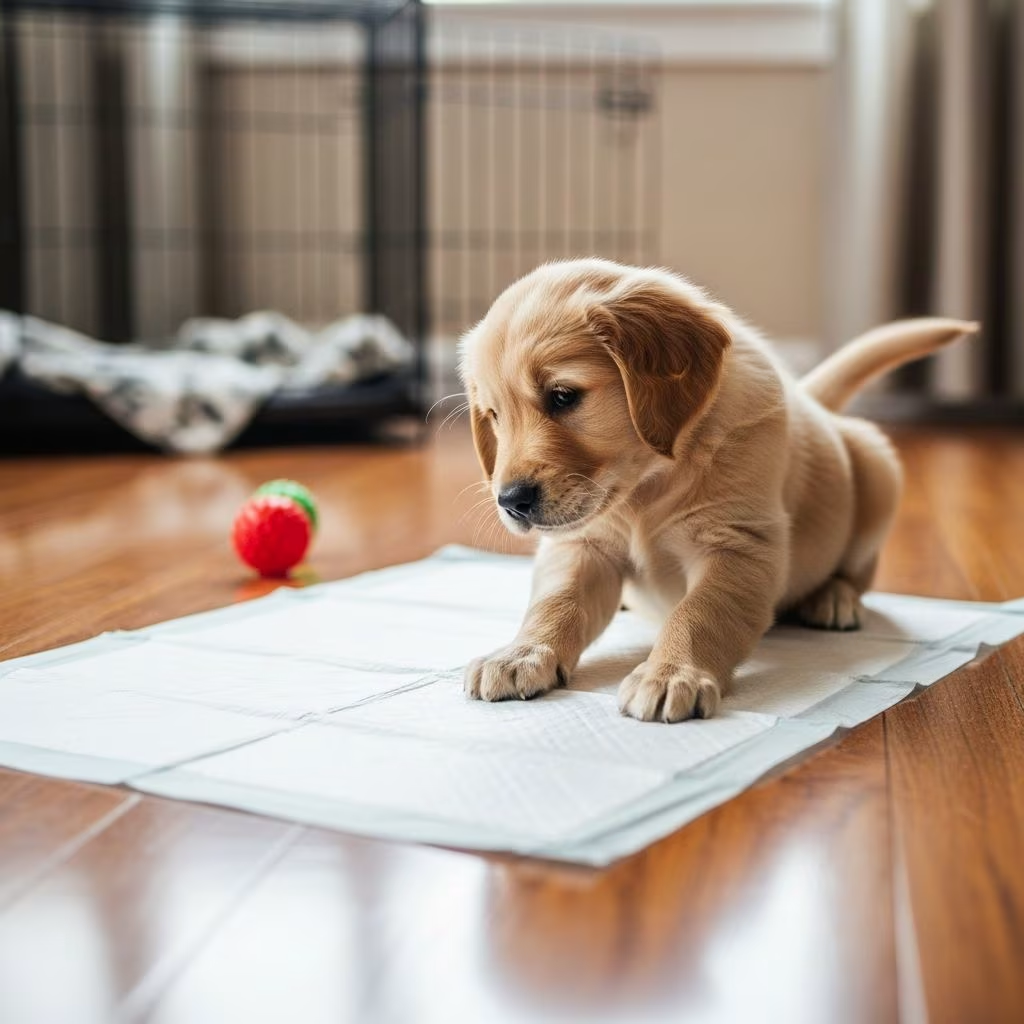
Puppy pad training provides a reliable indoor solution for housebreaking young dogs, especially in apartments or during bad weather, using absorbent pads to teach elimination control.
Why Use Puppy Pads for Training?
Puppy pads offer convenience for owners with limited outdoor access, helping puppies learn bladder control while preventing messes on carpets or floors. They mimic grass texture in some cases, easing the shift to outdoor potty spots.
- Ideal for apartments: No immediate yard access needed.
- Weather protection: Useful in rain, snow, or extreme heat.
- Bladder development: Puppies under 12 weeks hold urine briefly; pads bridge the gap.
Establishing pad use builds confidence in puppies, reducing anxiety from holding too long. Positive reinforcement solidifies the habit quickly.
How to Choose the Right Puppy Pads
Select pads based on size, absorbency, and attractant features. Larger pads (24×30 inches) suit bigger breeds; those with pheromone scents draw puppies naturally.
| Pad Type | Best For | Pros | Cons |
|---|---|---|---|
| Disposable | All puppies | High absorbency, easy cleanup | Recurring cost |
| Washable | Budget owners | Reusable, eco-friendly | Requires washing |
| Grass pads | Transitioning | Natural feel | Higher price |
Start with 2-3 pads in a low-traffic area for easy access. Avoid scented pads if your puppy has sensitivities.
Step-by-Step Puppy Pad Training Guide
Begin training at 8 weeks when puppies arrive home. Consistency is key: observe signals like sniffing or circling.
- Designate the spot: Place pads in a quiet, accessible corner away from food and bed. Confine puppy to this area initially using baby gates or a playpen.
- Timing is everything: Take puppy to pads after meals, naps, play, and every 1-2 hours for young pups. Puppies eliminate 15-30 minutes post-eating.
- Use verbal cues: Say “go potty” calmly while puppy is on the pad. Reward immediately with treats and praise upon success.
- Supervise closely: Watch for pre-potty behaviors. Interrupt accidents gently with “no” and guide to pad.
- Clean accidents properly: Use enzymatic cleaners to remove odors, preventing re-marking.
Expect progress in 2-4 weeks with daily routines. Track successes in a journal to adjust schedules.
Positive Reinforcement in Pad Training
Reward desired behavior instantly to create associations. Use high-value treats like small chicken pieces or cheese.
- Jackpot rewards (multiple treats) for first successes.
- Praise enthusiastically: “Good potty!”
- Avoid play during potty time; keep sessions business-like.
Punishment teaches fear, not location. If caught mid-accident, clap hands to distract and rush to pad—no yelling.
Common Puppy Pad Training Mistakes to Avoid
Many owners undermine progress unintentionally. Steer clear of these pitfalls:
- Inconsistent placement: Moving pads confuses puppies; keep fixed until fully trained.
- Free-feeding: Scheduled meals predict potty times better.
- Rushing cleanup: Residual scents invite repeats; use pet-safe cleaners.
- Ignoring signals: Learn your puppy’s unique cues like whining or pacing.
- Too few breaks: Pups under 3 months need hourly outings.
Dealing with Puppy Pad Training Accidents
Accidents peak around 10-12 weeks but decrease with maturity. Stay patient—bladders develop by 6 months.
If accidents persist:
- Shorten intervals between pad visits.
- Check for medical issues like UTIs via vet check.
- Increase supervision; tether puppy to you indoors.
Cleaning protocol: Blot, apply enzymatic spray, let dry. Never ammonia-based cleaners—they smell like urine to dogs.
Transitioning from Puppy Pads to Outside
Once reliable on pads (4-6 months), phase out gradually. This prevents dependency.
- Move pads closer to door: Inch toward exit over days.
- Introduce outdoor spot: Place soiled pad outside; reward grass use.
- Gradual removal: Cut pads smaller, then use frame without absorbent core.
- Bell training combo: Teach door bell-ringing for requests.
For stubborn cases, return to crate training basics: Dogs avoid soiling dens.
Training Stubborn Puppies on Pads
Some breeds like hounds take longer due to sniffing instincts. Tailor to puppy:
- Bigger breeds: More frequent, larger pads.
- High-energy pups: Exercise before pad time tires them.
- Anxious dogs: Use pheromone collars; slow desensitization.
Consistency trumps intensity. Shorten breaks if stressed; reward heavily.
Crate Training Integration for Pad Success
Crate limits space, encouraging pad use. Size crate to allow standing/turning only—no room for accidents.
- Introduce positively with treats.
- Night crate near bed for security.
- Potty breaks every 3-4 hours initially.
Combine with pads inside crate area for ultimate control.
Frequently Asked Questions (FAQs)
Q: How long does puppy pad training take?
A: 2-4 weeks for basics, full reliability by 4-6 months. Breeds vary.
Q: Can I use puppy pads forever?
A: Possible for seniors or invalids, but transition outdoors prevents issues.
Q: What if my puppy eats the pad?
A: Switch to pee-post or grass alternatives; vet check for pica.
Q: How to train at night?
A: Last pad trip before bed; crate and set alarm for 4am break.
Q: Stubborn puppy won’t use pads—help!
A: Use soiled pad attractant, leash-walk on pad, ultra-consistent schedule.
Advanced Tips for Lasting Success
Integrate with overall obedience. Teach “sit” before rewards. Weather-proof outdoor spots with shelters.
For multi-dog homes, separate pads to avoid confusion. Track breed-specific timelines: Toy breeds faster, giants slower.
References
- How to Potty Train a Puppy: From Pee Pad to Outside — Kinship. 2025. https://www.kinship.com/dog-behavior/how-to-train-puppy-to-pee-outside
- Crate Training Made EASY for Your Puppy — Kinship (YouTube, Certified Trainer Robert Haussmann). 2025-04-16. https://www.youtube.com/watch?v=han1DXBfN5c
- House Training: Housetraining Your Puppy — Adopt a Pet. Recent (post-2024). https://www.adoptapet.com/blog/behavior-training/how-to-house-train-puppy



