

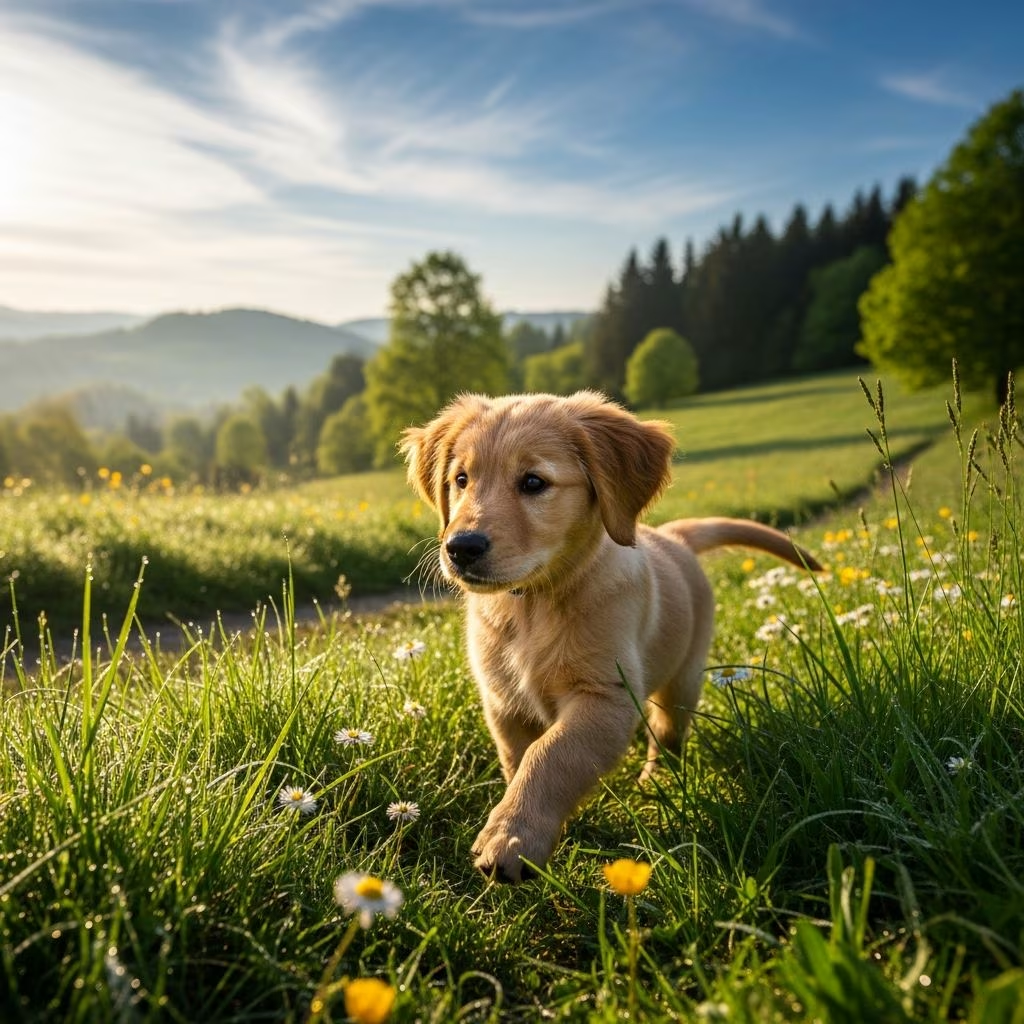
Puppies are naturally curious and energetic, making outdoor exploration a critical component of their development. Introducing young dogs to outdoor environments builds confidence, supports physical development, and creates opportunities for crucial social interactions with people, other animals, and new environments. However, puppies require specialized guidance and supervision to ensure their outdoor experiences are both enriching and safe.
Understanding Puppy Development and Outdoor Readiness
Before introducing puppies to outdoor activities, it’s essential to understand their developmental stage and physical capabilities. Young puppies have growing bones and joints that are vulnerable to stress, requiring gentle and appropriately scaled activities. Most puppies benefit from a gradual introduction to outdoor environments starting around 16 weeks of age, once they have received initial vaccinations. However, very young puppies can begin experiencing supervised outdoor time in safe, controlled settings once their first round of shots is complete.
The vaccination timeline is critical when considering outdoor exposure. According to veterinary guidelines, puppies typically receive vaccinations at 6-8 weeks, 10-12 weeks, and 14-16 weeks, with booster shots throughout their first year. During this vaccination period, limiting exposure to unfamiliar dogs and high-traffic areas reduces disease transmission risk. By 16-18 weeks, puppies generally have sufficient immune protection to safely explore dog parks and public trails.
Recognizing your individual puppy’s personality and energy level is equally important. Some puppies are naturally bold and outgoing, while others are timid or anxious. Matching activities to temperament prevents overwhelming young dogs and builds positive associations with outdoor exploration.
Socialization Through Supervised Park Visits
Dog parks and designated play areas provide invaluable socialization opportunities that shape a puppy’s behavior and confidence throughout their life. Controlled play environments allow puppies to interact with other dogs in a structured setting, teaching bite inhibition, appropriate play boundaries, and communication skills. These early social experiences with diverse dog personalities—different sizes, ages, and temperaments—create well-rounded adult dogs comfortable in various canine social situations.
When choosing a park for puppy visits, prioritize facilities that maintain good cleanliness standards, have separate areas for small or young dogs, and are actively supervised by staff or regular visitors. Before your first visit, ensure your puppy has completed their core vaccinations and is on an appropriate parasite prevention program. Many parks require proof of vaccination before entry.
During park visits, maintain close supervision and watch for signs of stress or excessive rough play. Some puppies may become overwhelmed by the energy level of older dogs, requiring temporary breaks or shortened visit durations. Puppies also learn through observation, so watching confident dogs interact teaches social skills more effectively than forcing interaction. Always carry waste bags and clean up promptly to maintain park cleanliness and show respect for other visitors.
Building Endurance Through Short, Frequent Walking Sessions
Walking forms the foundation of healthy puppy development and exercise habits. Unlike adult dogs, puppies cannot sustain long walks due to developing skeletal and muscular systems. A practical guideline is allowing five minutes of walking per month of age, twice daily. A three-month-old puppy benefits from approximately 15-minute walks, while a six-month-old puppy can handle 30-minute walks.
Short, varied walking routes offer multiple benefits beyond physical exercise. Exposure to different environments, sounds, textures, and scents desensitizes puppies to novel stimuli, reducing anxiety in unfamiliar situations. A walk through a quiet neighborhood offers different sensory experiences compared to a walk near a busy street or park, contributing to comprehensive environmental adaptation.
Walking also establishes a routine that supports house training, builds leash manners, and creates bonding time between puppy and owner. Introducing puppies to different walking surfaces—grass, concrete, gravel, sand—conditions paw pads and prevents sensitivity to varied terrain encountered later in life. Gradual exposure to distractions like bicycles, skateboards, and other dogs builds confidence and reduces reactive behavior.
Always use a properly fitted harness or collar with secure identification during walks. For young puppies still developing neck strength, a body harness distributes pressure more safely than a neck collar. Ensure fresh water is available, especially during warmer months, and watch for signs of fatigue such as lagging behind or reluctance to continue.
Introducing Water Activities Safely
Many puppies develop a lifelong love of water when introduced gradually and positively. Swimming and water play offer low-impact exercise ideal for supporting bone and joint development without excessive stress. Water provides natural resistance that builds muscle while being gentler than impact-based activities on developing structures.
Begin water introduction in shallow areas where puppies can wade with all four paws touching bottom. A kiddie pool, baby pool, or shallow beach area allows puppies to explore water at their own pace without fear. Never force puppies into deeper water, as negative experiences create lasting fear and anxiety around water.
For puppies that show enthusiasm for water, a properly fitted dog life jacket provides safety and confidence during deeper water exploration. Life jackets with handles allow easy rescue if needed and support puppies still developing swimming coordination. Always supervise water activities closely and teach puppies to exit water safely, particularly from pools or elevated water sources.
Saltwater exposure should be limited initially, as salt water can cause gastrointestinal upset. Freshwater lakes and ponds are safer for puppy swimming. After water play, rinse puppies thoroughly to remove any bacteria or parasites and dry their ears completely to prevent infections.
Trail Exploration and Hiking for Developing Dogs
Hiking and trail exploration provide rich sensory experiences and build physical confidence in puppies. Nature trails offer varied terrain that strengthens muscles and improves coordination differently than flat surfaces. Different elevations, natural obstacles like roots and rocks, and varied ground textures prepare puppies for diverse environments while building agility.
Select trails appropriate for your puppy’s age and fitness level. Younger puppies benefit from shorter, flatter trails with minimal elevation change, while older puppies (four to six months) can handle moderate difficulty trails. Always verify that trails permit dogs before heading out, and check for hazards such as toxic plants, rough terrain that could injure tender paw pads, or wildlife that might pose risks.
Pack essentials including fresh water in a portable bowl, treats for energy and positive reinforcement, a first aid kit for minor injuries, and waste bags. Bring a leash even if you plan off-leash exploration, as sudden hazards may require immediate control. Watch for signs of fatigue, heat stress, or injury during hiking, including excessive panting, limping, or reluctance to continue.
Paw pad protection deserves special attention during trail activities. Young puppies have sensitive paws vulnerable to cuts from sharp rocks, thorns, or rough terrain. Consider dog boots for rocky trails or extended hikes, and inspect paws after each outing for small cuts, embedded debris, or excessive wear.
Backyard Games and Agility Play
Your own yard provides a controlled environment for developing puppies to play and learn. Backyard games build confidence, teach training commands, and provide outlets for natural play behaviors. Simple fetch games introduce retrieval instincts while strengthening the bond between puppy and owner. Start with short distances and reward successful retrieves with praise and treats, gradually increasing distance as puppies develop understanding and coordination.
Creating a basic obstacle course using household items—low jumps made from small boxes, weave poles from garden stakes, or tunnels from PVC pipe or blankets—introduces puppies to agility concepts without pressure. These activities build body awareness, confidence, and problem-solving skills while providing mental stimulation alongside physical exercise.
Scent games capitalize on puppies’ developing olfactory abilities. Hiding treats in different areas of the yard encourages natural sniffing and searching behaviors while providing mental enrichment. This type of play is especially valuable on days when weather limits outdoor activity duration or when puppies need mental stimulation alongside physical exercise.
Interactive games like tug-of-war, when played with clear rules, teach impulse control and appropriate play behavior. Ensure puppies understand “drop it” commands before engaging in tug games, establishing that you maintain control even during play. These games also build confidence in puppies, particularly those that are naturally shy or submissive.
Safety Considerations for Young Dogs Outdoors
Outdoor activities inherently introduce risks that responsible owners must actively manage. Temperature regulation is critical for puppies, who cannot thermoregulate as effectively as adult dogs. Puppies overheat quickly in warm weather, experiencing stress and potentially life-threatening heat exhaustion. Plan outdoor activities during cooler parts of the day, provide frequent water breaks, and watch for excessive panting, drooling, or lethargy indicating overheating.
Parasite prevention protects puppies from fleas, ticks, intestinal parasites, and diseases transmitted through outdoor environments. Begin appropriate parasite prevention before outdoor exploration, including heartworm prevention and tick prevention suitable for your puppy’s age and weight. Regular deworming protects against intestinal parasites encountered through environmental exposure.
Identification systems protect puppies from permanent loss if they escape or become separated. A secure collar with current identification tags provides immediate contact information. Microchipping offers permanent identification independent of collars or tags, dramatically improving recovery rates for lost dogs. Ensure microchip registration information is current and complete.
Vaccinations and health screening before increased outdoor activity protect puppies from infectious diseases. A veterinary wellness examination confirms your puppy is healthy enough for increased activity, particularly important for breeds predisposed to developmental orthopedic disease. Senior puppies or those with congenital conditions may require modified activities or veterinary clearance.
Building Positive Associations and Confidence
The primary goal of early outdoor experiences is building positive associations with outdoor environments, creating confident adult dogs comfortable in diverse settings. Rushing activities, exposing puppies to overwhelming situations, or failing to provide adequate positive reinforcement creates anxiety and behavioral problems that persist into adulthood. Patient, gradual exposure with consistent positive reinforcement creates resilient, adaptable dogs.
Reward outdoor exploration generously with praise, treats, and play. Celebrate bravery when puppies approach unfamiliar objects or sounds. Provide comfort and reassurance when puppies show appropriate caution, teaching that some hesitation is normal without allowing fear to prevent exploration.
Consistency in outdoor exposure maintains progress. Regular outdoor time becomes part of routine, reducing anxiety and building reliable comfort with diverse environments. Puppies that experience varied environments regularly develop greater adaptability than those exposed only occasionally to new situations.
Weather-Specific Outdoor Adaptations
Seasonal changes require adjusting outdoor activities to maintain safety and comfort. Summer heat demands early morning or evening activities, increased water availability, and shorter duration outings. Winter cold requires protection for puppies sensitive to temperature—sweaters or coats for short-haired breeds, reduced time exposure, and awareness of ice accumulation on paws. Spring and fall offer ideal conditions with moderate temperatures, though spring muddy trails and tick prevalence require specific precautions.
Puppies also require sun protection during extended outdoor exposure. Pet-safe sunscreen protects light-colored noses and sparsely haired areas prone to sunburn. Shade availability during outdoor activities prevents heat stress and provides rest opportunities.
Common Outdoor Activities and Equipment Essentials
| Activity | Recommended Age | Essential Equipment | Duration Guidelines |
|---|---|---|---|
| Neighborhood Walking | 8 weeks+ | Collar, leash, ID tags | 5 min per month of age, twice daily |
| Dog Park Visits | 16 weeks+ | Collar, leash, vaccination proof | 15-30 minutes with close supervision |
| Hiking Trails | 12-16 weeks+ | Leash, water bowl, first aid kit | Short trails, 20-30 minutes for young puppies |
| Water Play | 12 weeks+ | Life jacket optional, towels | 10-15 minutes in shallow water |
| Backyard Games | 10 weeks+ | Toys, treats, obstacle materials | 10-20 minutes, multiple sessions daily |
Frequently Asked Questions About Puppy Outdoor Activities
What is the appropriate age to begin outdoor activities with puppies?
Supervised outdoor exposure can begin as early as 8-10 weeks in safe, controlled environments like your own yard. Public spaces like parks and trails should wait until puppies are 16 weeks old and have completed initial vaccinations. Always consult your veterinarian about timing based on your puppy’s specific vaccination schedule.
How long should outdoor activities last for young puppies?
Use the guideline of five minutes per month of age as a maximum walking duration. A three-month-old puppy should walk no more than 15 minutes, while a six-month-old can handle 30 minutes. Puppies need frequent breaks and should not be forced to exercise beyond their capacity.
Is it safe to take puppies swimming?
Yes, when introduced gradually in shallow water with close supervision. Avoid forcing puppies into water, use life jackets for added safety, and ensure access to freshwater for drinking. Always supervise closely and teach safe exit methods.
What vaccinations must puppies have before visiting dog parks?
Puppies should have completed their series of core vaccinations (typically at 16 weeks) including protection against distemper, parvovirus, and rabies. Bordetella (kennel cough) vaccination is also recommended before dog park exposure. Check your specific park’s requirements, as some may have additional standards.
How can I tell if my puppy is overexerting during outdoor activity?
Signs of overexertion include excessive panting, reluctance to continue activity, lagging behind, limping, or seeking rest frequently. Puppies should appear eager and playful, not exhausted. Always err on the side of shorter activities and gradually increase duration and intensity over weeks and months.
References
- Puppies: Vaccination, Preventive Care, and Health — American Veterinary Medical Association (AVMA). 2024. https://www.avma.org/resources-tools/pet-owners/petcare/puppies
- Puppy Development and Socialization — American Kennel Club. 2024. https://www.akc.org/puppies/puppy-socialization-essentials
- Swimming and Water Safety for Dogs — Veterinary Information Network. 2024. https://www.vin.com
- Orthopedic Foundation for Animals: Growth and Development in Dogs — OFA. 2024. https://ofa.org
- Microchipping and Pet Identification Standards — American Animal Hospital Association (AAHA). 2024. https://www.aaha.org



