
Puppy Nighttime Sleep Guide
Master proven strategies to help your new puppy sleep through the night for peaceful rest for both of you.
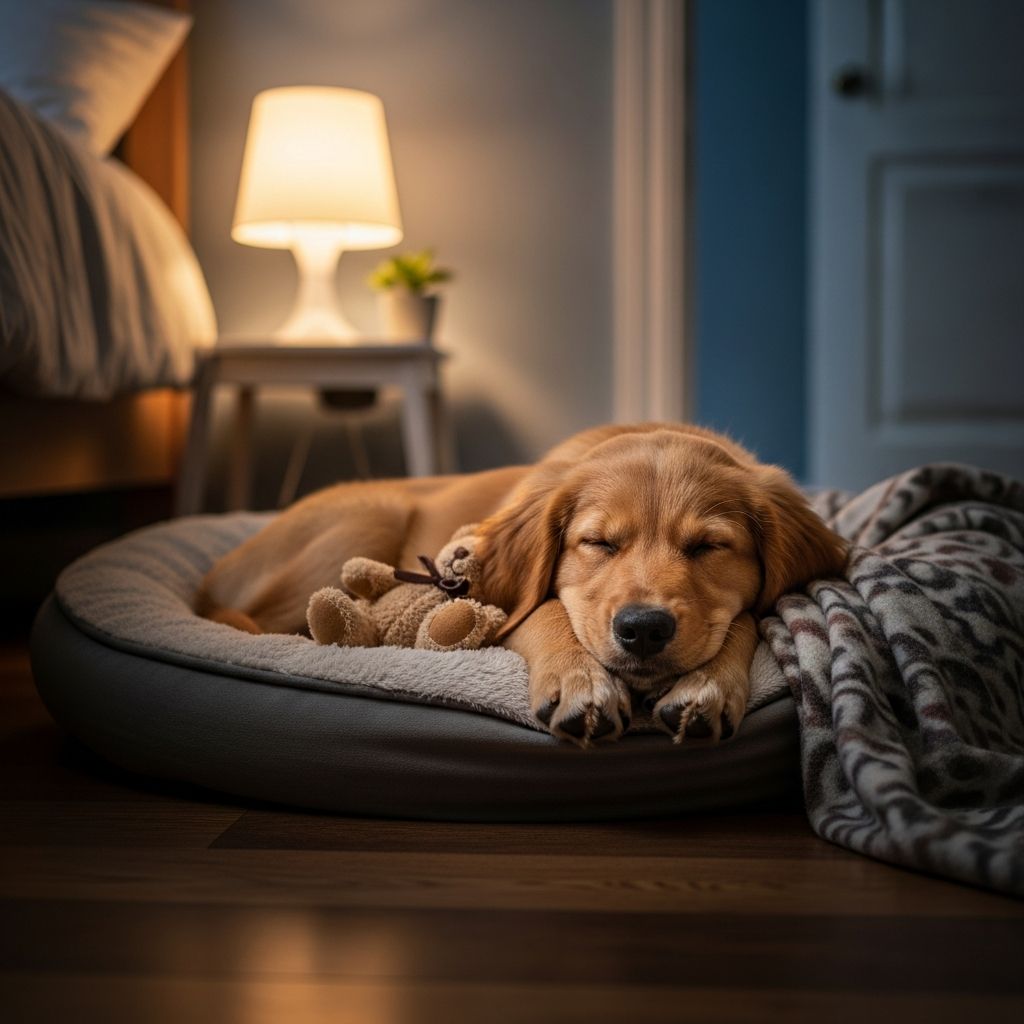
Getting a new puppy to sleep through the night requires understanding their natural patterns and implementing structured habits. Young dogs typically need 18-20 hours of sleep daily, but frequent wakes disrupt everyone. This guide outlines practical steps to foster better rest.
Understanding Puppy Sleep Cycles
Puppies differ from adult dogs in sleep needs due to rapid growth and exploration energy. They experience shorter sleep bursts, often waking for elimination or play. Recognizing signs of tiredness—like yawning, slowing down, or rubbing eyes—helps time interventions effectively.
- Puppies under 12 weeks may wake every 2-4 hours for potty needs.
- By 4-6 months, many can hold overnight with proper training.
- Factors like breed, age, and diet influence sleep duration.
Aligning human schedules with puppy biology prevents frustration. Track patterns for a few nights to identify triggers.
Building a Daily Schedule for Better Nights
A consistent daily rhythm sets the foundation for solid sleep. Puppies thrive on predictability, which regulates their internal clock.
| Time | Activity |
|---|---|
| 7 AM | Morning potty, breakfast, short walk |
| 9-11 AM | Play session, nap |
| 12 PM | Lunch, training |
| 3 PM | Exercise, potty |
| 6 PM | Dinner (last meal 3+ hours before bed) |
| 8 PM | Evening play (calm sniffing games) |
| 10 PM | Final potty, bedtime |
Adjust based on your routine, but maintain consistency. Evening meals should end early to allow digestion and reduce nighttime urges.
Designing the Perfect Bedtime Wind-Down
Signal sleep time with a 20-30 minute ritual. This cues relaxation without overstimulating.
- Dim lights and reduce noise: Mimic natural dusk to promote melatonin.
- Gentle activity: Light petting or puzzle toys over fetch.
- Potty outing: Last trip outside, no play—just business.
- Comfort item: Introduce a heartbeat toy or worn shirt for security.
Repeat nightly. Puppies learn quickly, associating cues with rest.
Choosing and Setting Up the Sleep Spot
The right space promotes security and bladder control. Crates mimic dens, aiding training.
- Select size: Puppy should stand, turn, lie comfortably—no excess room for accidents.
- Location: Bedroom initially for reassurance, near potty access, away from traffic.
- Comfort: Soft bedding, blanket over top for coziness, white noise machine.
Introduce gradually: Feed meals inside, add toys. Positive experiences build trust. Avoid direct sunlight or drafts.
Exercise Strategies to Promote Sleep
Exhaust mentally and physically before bed. Split into sessions to avoid overstimulation.
- Morning: High-energy play like tug or fetch (15-20 mins).
- Afternoon: Training drills focusing on commands.
- Evening: Sniffing games, snuffle mats, or treat hunts (calmer, 10-15 mins).
Chew toys like frozen carrots post-dinner soothe gums and tire jaws. Aim for puppy panting lightly but not wired.
Mastering Nighttime Potty Management
Frequent small bladders demand strategy. Limit water after 7 PM, schedule checks.
- Weeks 1-4: Every 3 hours, quiet carry outside.
- Weeks 5+: Stretch to 5-6 hours, ignore non-urgent whines.
- Pee pads: Temporary in crate for apartments, phase out.
Clean accidents enzymatically. Praise success lavishly.
Positive Reinforcement Techniques
Reward calm to shape behavior. Ignore demands.
- Praise softly for settling: “Good quiet!” with pets.
- Tiny treats for entering crate willingly.
- Consistency: Same responses every night.
Builds association: Bed = good things.
Handling Whining and Barking
Distinguish needs from habits. Needs: Brief potty. Habits: Wait for quiet.
- Ignore attention cries; respond only to silence (5-10 sec).
- Calm check-ins: No eye contact, talk, or lights.
- Gradual alone time: Start bedside, move farther.
- Tools: Calming music, stuffed heartbeat toy.
Progress takes 3-7 nights. Track wins.
Nutrition’s Role in Sleep Quality
Quality food affects rest. High-protein puppy formulas support growth without fillers causing wakes.
- Portion correctly: Overfeeding strains digestion.
- Timing: Dinner 3-4 hours pre-bed.
- Hydration: Measured bowls, taper evenings.
Consult vet for breed-specific advice.
Common Challenges and Fixes
| Issue | Solution |
|---|---|
| Persistent waking | Rule out medical; tighten schedule |
| Crate fear | Slow desensitization with treats |
| Energy bursts | Add daytime mental games |
| Separation anxiety | Practice short absences daily |
Long-Term Sleep Success
By 6 months, most puppies sleep 7-8 hours. Transition crate to permanent spot gradually. Maintain routine for life.
Frequently Asked Questions
At what age will my puppy sleep through the night?
Typically 4-6 months with training; varies by size and consistency.
Should I crate my puppy at night?
Yes, for safety and training; make it positive.
What if my puppy cries every night?
Check needs first, then ignore attention-seeking; use reassurance tools.
Can I free-feed to help sleep?
No; scheduled meals aid potty prediction.
Is white noise helpful?
Often yes, masks household sounds.
References
- Tractor Supply Co. – How to Get Puppies to Sleep Through the Night — Tractor Supply Co. 2024. https://www.tractorsupply.com/tsc/cms/life-out-here/pet/dogs/5-tips-to-help-your-puppy-sleep-through-the-night
- Blue Cross – How to get your puppy to sleep through the night — Blue Cross UK. 2023-10-15. https://www.bluecross.org.uk/advice/dog/behaviour-and-training/how-to-get-your-puppy-to-sleep-through-the-night
- American Kennel Club – Puppy Sleep Training Tips — AKC (official breed registry). 2025-02-10. https://www.akc.org/expert-advice/training/puppy-sleep-training/
- ASPCA – Crate Training Guidelines — ASPCA (animal welfare org). 2024-08-01. https://www.aspca.org/pet-care/dog/crate-training-your-puppy
- USDA Animal Health – Puppy Nutrition Basics — USDA. 2023. https://www.aphis.usda.gov/aphis/ourfocus/animalhealth
Similar Articles








Read full bio of medha deb




