

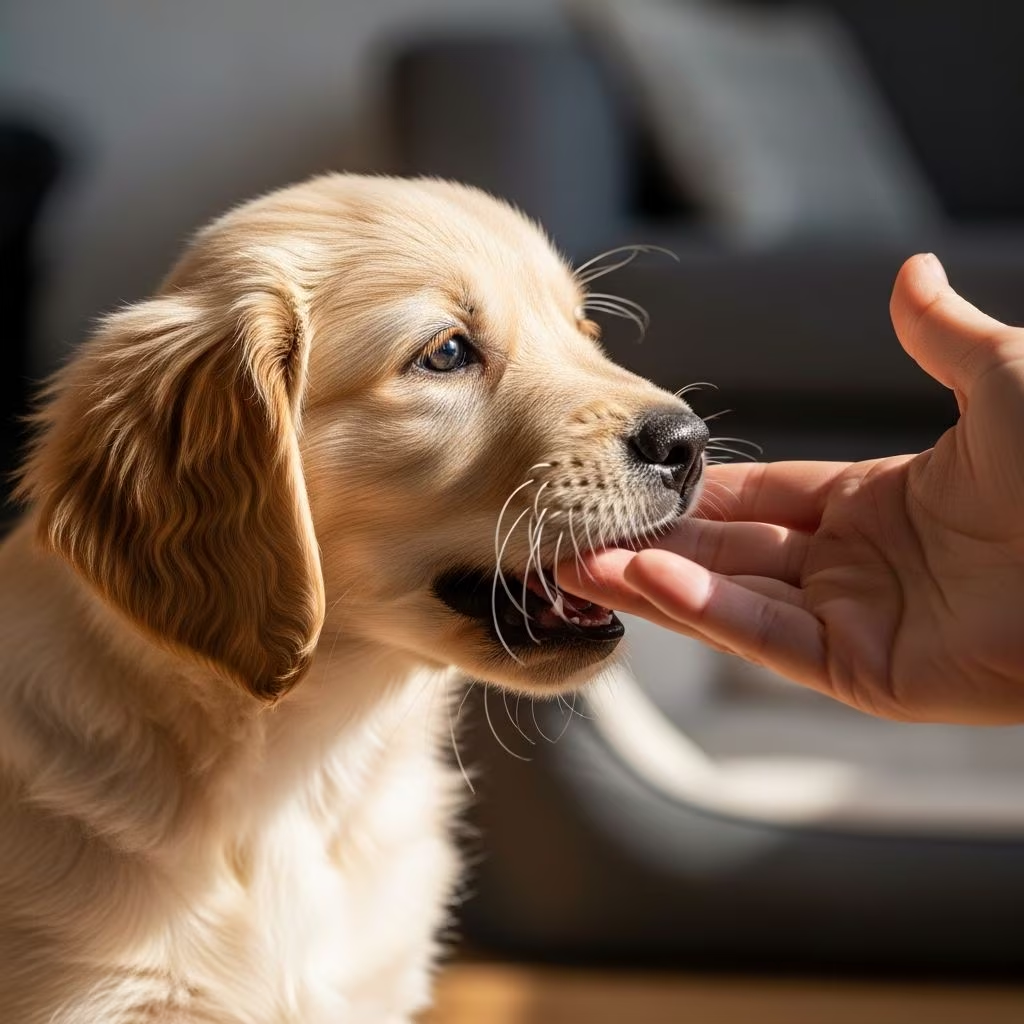
Puppy mouthing, often perceived as biting or nipping, is a common phase in a young dog’s development where they use their mouths to interact with the world. This behavior stems from instinctual drives and typically peaks during early months, but with consistent guidance, it can be redirected effectively.
Understanding the Roots of Puppy Mouthing
Young dogs explore their surroundings primarily through oral contact, much like human infants. This natural tendency helps them learn about textures, tastes, and boundaries. Key triggers include emotional expression, play initiation, environmental curiosity, genetic predispositions, and physical discomfort from teething.
During the teething stage, around 12-16 weeks, puppies experience gum soreness as adult teeth emerge, prompting increased chewing on anything available, including hands or clothing. Herding breeds like German Shepherds or Corgis may exhibit more pronounced mouthing due to bred-in tendencies to nip at heels for herding.
Differentiating Playful Mouthing from Warning Signs
Not all mouth contact signals trouble; playful mouthing features a relaxed body, wagging tail, and gentle pressure without intent to harm. In contrast, aggressive biting involves stiff posture, direct stares, silence, and forceful clamps, often preceding escalation.
Observing body language is crucial: loose, bouncy movements indicate fun, while rigidity suggests potential conflict. Early intervention prevents playful habits from evolving into adult aggression, as larger jaws amplify the issue.
Practical Strategies to Redirect Mouthing
Effective management combines prevention, redirection, and positive reinforcement. Start by ensuring your puppy has ample outlets for energy and chewing needs.
- Provide a variety of age-appropriate chew toys, frozen with treats inside for teething relief.
- Schedule regular exercise sessions, including walks and fetch, to reduce pent-up energy.
- Use time-outs: when mouthing occurs, calmly withdraw attention for 30-60 seconds.
Imitate littermate feedback by yelping sharply at the moment of contact, then freezing movement to signal play ends. Follow with praise when calm behavior resumes. Avoid physical corrections like grabbing the muzzle, as they can foster fear or heightened arousal.
Building Bite Inhibition Through Play
Bite inhibition, the ability to control mouth pressure, develops naturally among littermates via yelps and retreats during roughhousing. Replicate this at home with supervised play sessions emphasizing gentle interactions.
| Play Type | Benefits | Tips |
|---|---|---|
| Chase and Retrieve | Channels energy without contact | Use soft toys; reward returns |
| Tug-of-War (Modified) | Teaches release on cue | Stop if teeth touch skin |
| Social Games | Encourages calm engagement | Incorporate treats for soft mouths |
Consistency across family members prevents mixed signals. Children should learn to stand still like trees during incidents, avoiding squeals that excite further.
Addressing Underlying Needs and Health Checks
Mouthing spikes can signal unmet basics: hunger, bathroom needs, overstimulation, tiredness, or even minor illnesses like tummy discomfort. Track patterns via a simple journal to identify triggers.
- Feed on schedule with high-quality puppy food.
- Enforce nap times in a quiet crate.
- Consult a vet to rule out teething pain or other issues before intensifying training.
Mental stimulation through puzzle toys or short training drills tires the mind, curbing frenzy periods known as Frenetic Random Activity Patterns (FRAPs).
Long-Term Prevention for Lasting Results
Transition success involves enrolling in puppy classes for socialization and expert oversight. Positive reinforcement trainers emphasize rewards for desired actions, fading out unwanted ones over weeks.
Monitor progress: most puppies outgrow intense mouthing by 6-8 months with diligent effort. Persistent cases beyond adolescence warrant professional behaviorists to assess anxiety or incomplete socialization.
Common Mistakes New Owners Make
Well-intentioned errors can prolong the habit:
- Over-excitement during greetings, turning pets into play cues.
- Inconsistent responses, confusing the puppy.
- Punitive measures sparking defensiveness.
Instead, focus on proactive management: keep hands uninteresting by withholding movement and attention during episodes.
Frequently Asked Questions
Is puppy mouthing always normal?
Yes, in most cases up to 6 months, driven by development. Severity beyond play or into adulthood needs vet/behavior review.
How long does teething last?
Typically 2-3 months, peaking at 13 weeks with sore gums prompting chewing.
What if yelping doesn’t work?
Combine with time-outs and toy redirection. Avoid force; seek trainer help if unchanged after 1-2 weeks.
Are some breeds worse?
Herding types like Collies show more due to genetics, but all can learn control.
Can I play tug with a mouther?
Yes, if teaching ‘drop it’ and stopping at skin contact.
Creating a Mouthing-Free Future
Patience and positivity transform mouthing into gentle companionship. Track improvements weekly, celebrating milestones like bite-free days with extra play. Your consistent leadership shapes a well-mannered adult dog ready for family life.
References
- Why Does My Puppy Nip at Me and Chew on My Clothes? — American Kennel Club (AKC). 2023. https://www.akc.org/expert-advice/training/why-does-my-dog-treat-my-arm-like-a-chew-toy-and-playfully-nip-at-me/
- Got Puppy Nipping? Take the Clicker Approach — Clicker Training. 2024. https://clickertraining.com/puppy-nipping/
- Puppy Biting and Chewing — Carver Street Animal Hospital. 2023. https://www.carverstreetanimalhospital.com/resources/puppy-biting-and-chewing
- Puppy Biting: What’s Normal, What’s Not, and How to Curb It — Peach on a Leash. 2024. https://peachonaleash.com/puppy-biting-whats-normal-whats-not-and-how-to-curb-it/
- How To Stop a Puppy From Biting — PetMD. 2024. https://www.petmd.com/dog/training/puppy-biting



