

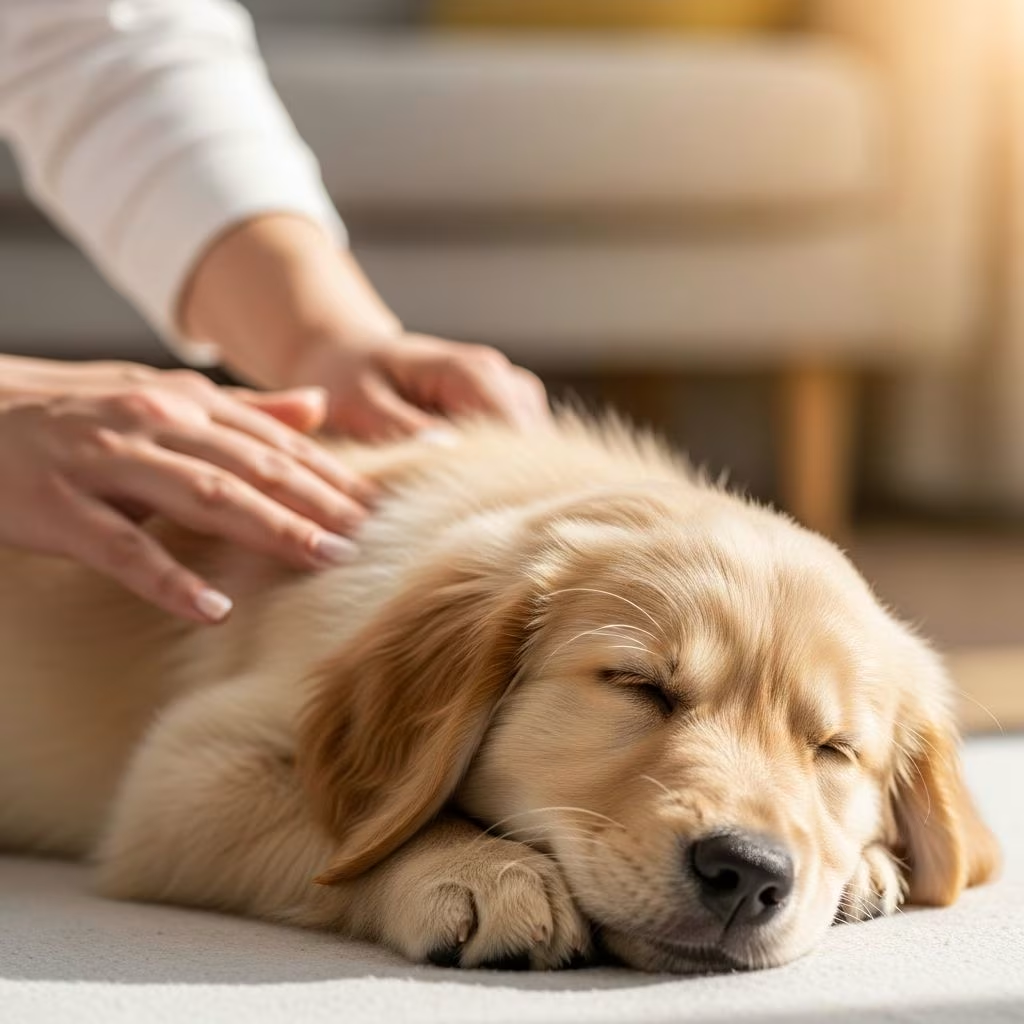
Regular massage for puppies offers a natural way to support their physical development, emotional security, and overall vitality. This practice, rooted in gentle manipulation of soft tissues, helps young dogs build trust while addressing common growth-related discomforts.
Why Incorporate Massage into Puppy Care?
Massage provides multifaceted advantages for puppies, from physiological improvements to behavioral enhancements. It stimulates blood flow, which aids in nutrient delivery to developing muscles and joints, crucial during rapid growth phases.
- Stress Reduction: Lowers cortisol levels and boosts serotonin, fostering a calmer disposition essential for puppies adjusting to new environments.
- Circulation Boost: Enhances oxygen and nutrient transport, supporting faster healing and reducing inflammation in active pups.
- Muscle and Joint Support: Eases tension, improves flexibility, and prevents stiffness, particularly beneficial for breeds prone to hip issues.
- Health Monitoring: Allows owners to notice irregularities like lumps or sensitivities early, enabling prompt veterinary care.
- Bonding and Desensitization: Teaches puppies positive touch associations, easing future grooming and vet visits.
For puppies, these benefits extend to better digestion through abdominal stimulation and improved immune function via lymphatic drainage. Studies from veterinary associations highlight how such therapies contribute to holistic pet health.
Understanding Puppy Anatomy for Safe Massage
Puppies have delicate, developing skeletons and muscles, so techniques must prioritize gentleness. Focus on soft tissue areas: muscles along the back, limbs, neck, and abdomen, avoiding direct spine pressure or joints unless trained.
| Area | Safe Techniques | Precautions |
|---|---|---|
| Neck and Shoulders | Circular fingertip motions | Avoid bony areas |
| Back and Sides | Long gliding strokes | No deep pressure on spine |
| Legs | Gentle squeezing | Skip injured joints |
| Abdomen | Flat-hand circles | Light touch only |
| Head and Ears | Soft rubbing | Watch for ear sensitivity |
Knowledge of breed-specific needs, like extra care for brachycephalic puppies’ necks, ensures safety.
Setting the Stage for Effective Sessions
A conducive environment maximizes benefits. Select a quiet, draft-free spot with familiar scents, using a soft mat for comfort. Time sessions post-nap or meal-free periods when puppies are mellow, starting at 5 minutes to build tolerance.
- Dim lights and soft music to minimize distractions.
- Warm your hands by rubbing them together.
- Have treats ready for positive reinforcement.
- Observe body language: relaxed ears and sighs indicate enjoyment; lip licking or tensing signals to stop.
Consistency, 2-3 times weekly, yields progressive relaxation.
Core Techniques for Puppy Massage
Begin with basic strokes, progressing as your puppy relaxes. Always use moderate, flat-hand pressure adjusted to their size.
Effleurage: Warming Strokes
This foundational glide warms tissues and promotes flow. Place flat palms on the head, stroke evenly to tail base, repeating 5-10 times. For small breeds, use fingertips.
Petrissage: Kneading Motion
Gently lift and roll skin on neck and flanks, mimicking dough kneading. This releases tension and lymphatic waste, ideal for post-play recovery. Limit to 1-2 minutes per area.
Circular Friction: Targeted Relief
Apply small circles with thumbs on shoulders, hips, and thighs to boost local circulation. Excellent for growing pains.
Leg and Paw Work: Mobility Aid
Squeeze limbs from paw upward, avoiding elbows/knees. Paw pads get light circles to stimulate nerves.
Abdominal Circles: Digestive Aid
Clockwise flat-hand rubs encourage gut motility, reducing bloat common in puppies.
Head and Ear Soothing: Calm Focus
Pinch ear bases lightly, rub jawlines. This calms the nervous system profoundly.
Combine into a 10-15 minute routine: effleurage (3 min), targeted areas (7 min), closing strokes (3 min).
Adapting for Age, Breed, and Condition
Tailor sessions: newborns need vet-guided minimal touch; 8-12 week olds handle full routines. brachycephalic breeds benefit from chest focus; large breeds from deeper back work. For anxious pups, prioritize ears/head.
- Seniors transitioning from puppyhood: Emphasize joints for arthritis prevention.
- Athletic breeds: Leg emphasis post-exercise.
- Post-surgery: Vet-approved light effleurage only.
Frequently Asked Questions
Can all puppies receive massages?
Most can, but consult vets for those with injuries, skin conditions, or aggression.
How often should I massage my puppy?
2-4 times weekly, 5-15 minutes, based on response.
What if my puppy dislikes it?
Shorten sessions, use treats, or start with favorites like ears. Persistence builds acceptance.
Is professional massage better?
Home sessions suffice for wellness; pros handle therapy needs.
Does it replace vet care?
No—massage complements, alerts to issues needing professional attention.
Integrating Massage into Daily Routines
Pair with brushing for coat health or before bed for sleep aid. Track progress in a journal: note relaxed areas vs. tensions for vet discussions. Combine with exercise for balanced care.
Advanced owners explore tools like soft brushes, but hands provide best feedback.
Potential Pitfalls and Safety Tips
Over-massaging causes soreness; watch for yelps or avoidance. Never force positions—let puppy guide. Clean hands prevent infections. If lumps or persistent pain appear, seek vet immediately.
For obese or underweight pups, adjust pressure accordingly.
References
- How to Massage Your Dog for Maximum Relaxation and Wellness — Earthbath. 2023. https://earthbath.com/blogs/earthbath-blog/how-to-massage-your-dog
- 9 “Life Changing” Benefits Of Dog Massage — PetLab Co. 2024. https://thepetlabco.com/learn/blog/why-you-should-start-dog-massage-therapy
- Does Your Dog Need a Massage? Benefits of the Canine Massage — American Kennel Club (AKC). 2023-05-12. https://www.akc.org/expert-advice/health/dog-massage/
- Should my pet get a massage? — American Animal Hospital Association (AAHA). 2024. https://www.aaha.org/resources/should-my-pet-get-a-massage/
- Dog Massage: Everything You Need to Know About Canine Massages — PetMD. 2024-08-15. https://www.petmd.com/dog/general-health/dog-massage-everything-to-know-about-canine-massages
- Canine Massage Therapy – Helping Dogs Feel Better — Lone Tree Veterinary Clinic. 2023-11-20. https://www.lonetreevet.com/blog/canine-massage-therapy-helping-dogs-feel-better/



