

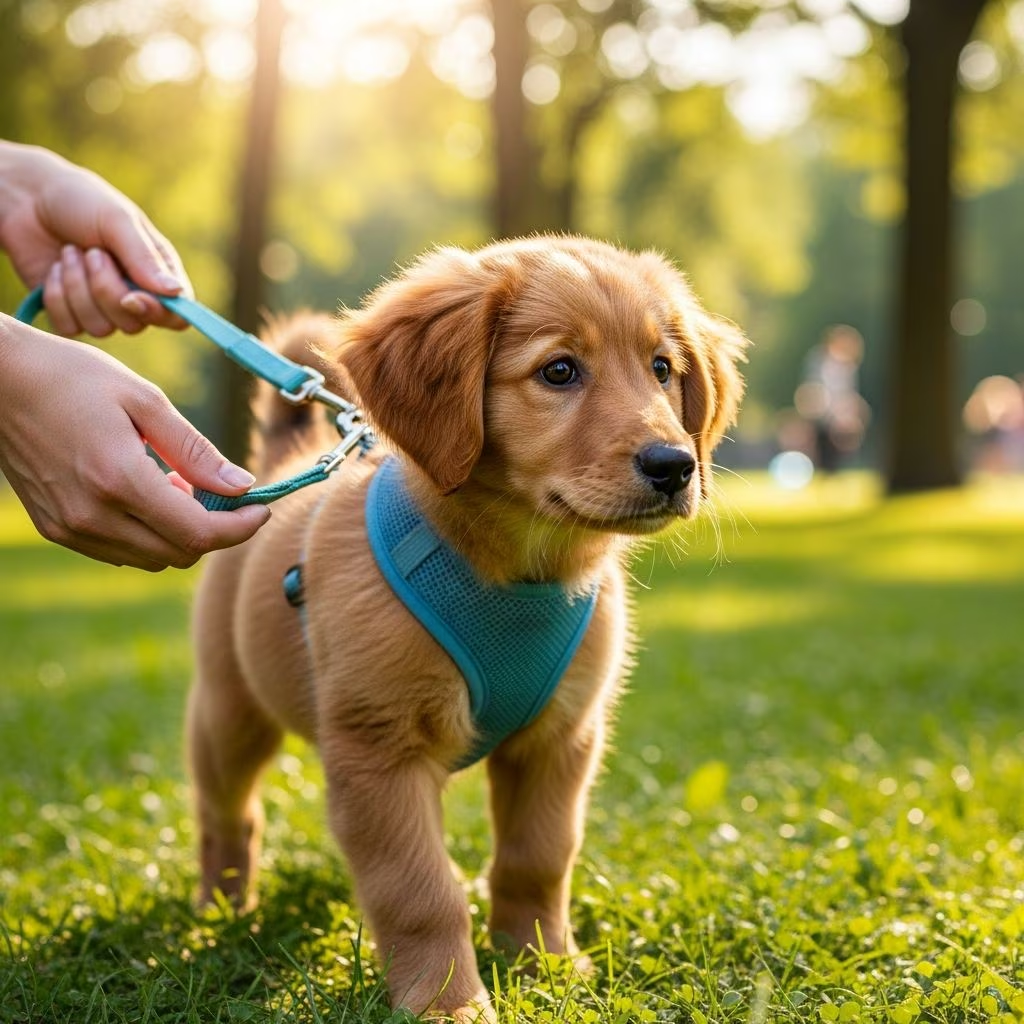
Leash training transforms chaotic puppy walks into enjoyable outings, building a strong foundation for obedience and safety. Starting early with positive methods ensures your pup learns to walk calmly beside you without pulling.
Why Leash Training Matters for Puppies
Proper leash skills prevent bad habits like lunging or constant tugging, which can lead to frustration for both owner and dog. Early training, ideally from 8 weeks old, leverages a puppy’s eagerness to learn while their attention span is short but malleable.
Consistent practice fosters trust and focus, making future adventures like park visits smoother. Without it, puppies may view leashes as restrictive toys, leading to resistance or bolting.
Selecting the Best Equipment
Choose gear that prioritizes comfort and control to set your puppy up for success.
- Harness over Collar: Front-clip harnesses redirect pulling gently without neck strain, ideal for growing pups. Ensure a snug fit allowing two fingers between straps.
- Standard Leash: Opt for a 4-6 foot non-retractable leash for better handling and slack maintenance.
- Treats and Clicker: High-value treats motivate; a clicker marks exact good behavior.
- Long Line for Later: Transition to a 15-30 foot line outdoors for safe exploration.
| Gear Type | Best For | Why Avoid Alternatives |
|---|---|---|
| Front-Clip Harness | Pulling Prevention | Reduces neck pressure unlike collars |
| 6-Foot Leash | Control & Training | Retractables encourage pulling |
| Clicker + Treats | Positive Reinforcement | Verbal praise alone is less precise |
Building Foundations Indoors
Begin in a distraction-free home environment to associate the leash positively before outdoor chaos.
Step 1: Acclimate to Gear
Let your puppy sniff the harness and leash freely, pairing with treats. Fasten the harness for short periods, praising calm behavior. If they pull away, allow dragging the leash unsupervised briefly to normalize it. Sessions last 5-10 minutes to match short attention spans.
Step 2: Teach Basic Commands
Practice “sit,” “stay,” and “come” off-leash first. Modify to “sit-wait-walk” on leash: puppy sits, you pause, then move together with rewards. This builds focus and positions them at your side.
Step 3: Indoor Loose Leash Practice
Attach leash, walk around the room. Reward every few steps for staying near with slack leash. Stop if they pull, resuming only on return. Use cues like “with me” or “let’s go”.
Pro Tip: Change directions randomly—left, right, about-faces—to keep puppy attentive to you, not forward momentum.
Transitioning to Outdoor Training
Once indoor walks are smooth (about a week), move to low-distraction yards. Gradually increase challenges.
Initial Outdoor Sessions
Start with 2-3 steps, marking and treating attention. Use your puppy’s name for check-ins at leash end, rewarding looks back. Practice turns with “left/right” cues.
Handling Distractions
Outdoors introduce smells, sounds, people. Pause training if overwhelmed; tire puppy with play first. Reward heavily for ignoring temptations.
- Sniffing: Lure with treats to your side.
- Lunging: Stop dead, only proceed on slack.
- Fear: Coax gently without force.
Advanced Techniques for Mastery
Elevate training for real-world reliability.
Automatic Check-Ins
At leash end, say name immediately. Mark eye contact, treat, and resume. Repetition makes this instinctive.
Variable Rewards
Randomize treat timing (e.g., 1 step, 3 steps, 5) to build endurance without constant feeding. Fade treats over time, using praise.
Fun Energy Boost
Use silly voices and games: “jolly talk” excites engagement. Incorporate toys for high-drive pups.
Common Challenges and Fixes
Pulling, sitting, or bolting frustrate many owners. Address systematically.
| Problem | Solution | Expected Timeline |
|---|---|---|
| Pulling Forward | Stop walking; reward slack only | 1-2 weeks consistent practice |
| Sitting Refusal | Use high-value treats, short sessions | 3-5 days |
| Distraction Overload | Return indoors, build gradually | Ongoing |
| Fear of Leash | Pair with play, never drag | 1 week acclimation |
Consistency across family members prevents confusion. Train daily, 10-15 minutes, ending on success.
Long-Term Maintenance
Once proficient, reinforce randomly. Use long lines in open areas for off-leash prep. Monitor growth—adjust harness fit monthly.
Track progress: Week 1 indoors, Week 2 yard, Week 3 neighborhood. Celebrate milestones with extra play.
FAQs
When should I start leash training?
As early as 8 weeks; puppies learn quickly with patience.
What if my puppy pulls hard?
Front-clip harness + stop method works best; avoid yanking.
How long until perfect walks?
2-4 weeks with daily practice, varying by breed and age.
Can I use a retractable leash?
No, they promote pulling; stick to fixed-length.
What treats work best?
Small, soft pieces like chicken or cheese for quick delivery.
Expert Tips Summary
- Patience trumps force—always positive.
- Short, fun sessions prevent burnout.
- Focus on position, not perfection initially.
References
- How to train your puppy to walk on a leash — Eukanuba. 2023. https://www.eukanuba.com/au/articles/training/a-guide-to-teaching-your-puppy-to-walk-on-a-lead
- My Guide to Leash Training a Puppy — 1 Minute Dog Training. 2023. https://1minutedog.com/blog/my-guide-to-leash-training-a-puppy/
- How To Teach a Puppy To Walk on a Leash — American Kennel Club. 2024-10-15. https://www.akc.org/expert-advice/training/teach-puppy-walk-leash/
- How To Leash Train a Dog — PetMD. 2024. https://www.petmd.com/dog/general-health/how-to-leash-train-dog
- Leash Training Your Dog (The Right Way) — Kyle Kittleson. 2023. https://kylekittleson.com/leash-training-your-dog/



