

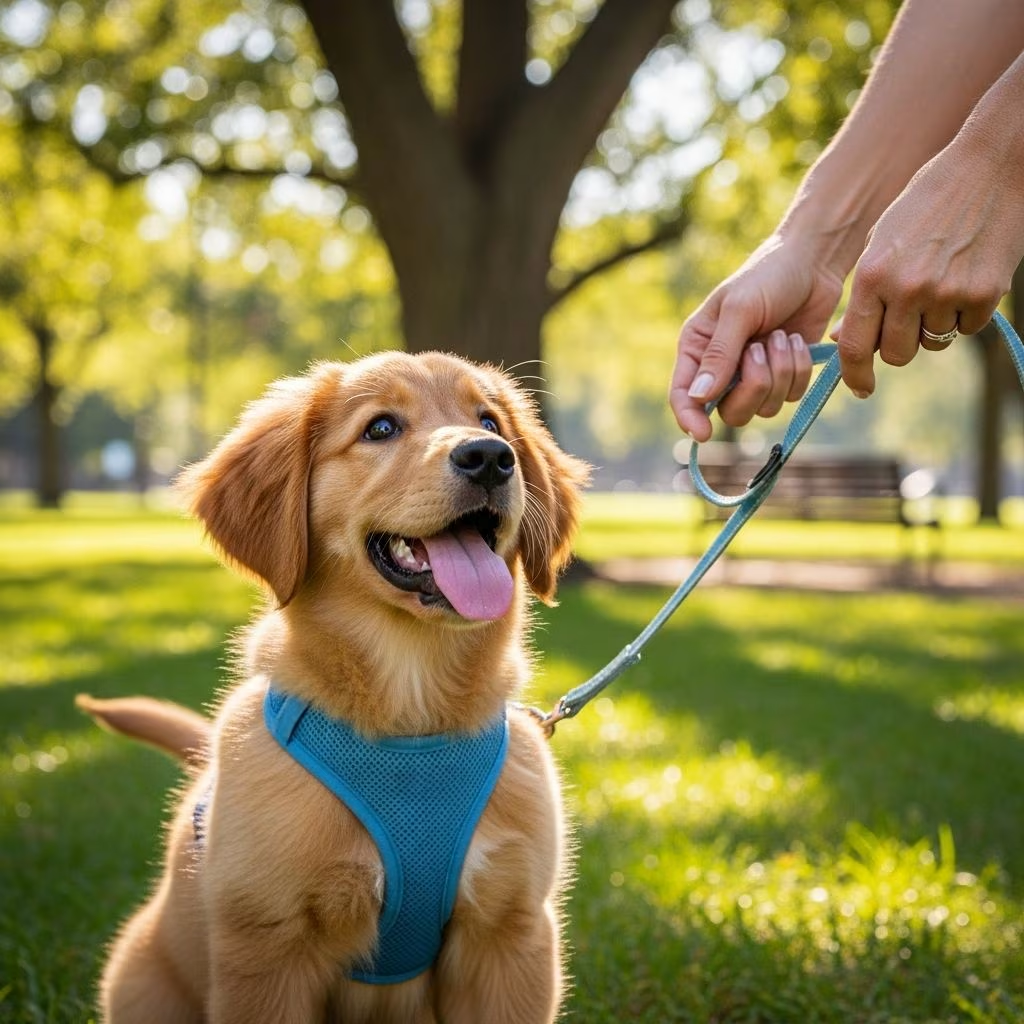
Leash training transforms chaotic puppy walks into pleasant experiences. Starting early with the right approach ensures your pup learns to walk calmly beside you without pulling or freezing, fostering a stronger bond and safer outings.
Why Early Leash Training Matters for Puppies
Begin leash exposure as soon as your puppy arrives home, even before full vaccinations allow outdoor adventures. This foundational skill prevents future pulling habits and builds confidence in new environments. Puppies naturally explore at their own pace, but consistent guidance helps them match yours, reducing frustration for both of you.
Young dogs grow quickly, with legs lengthening and energy surging, which can lead to unintentional pulling if not addressed promptly. Introducing leash basics indoors minimizes distractions, allowing focus on positive associations from day one.
Selecting the Right Equipment for Success
Proper gear is crucial for effective training. Opt for a lightweight 4-6 foot fixed-length leash, avoiding retractables that encourage pulling by offering too much freedom.
- Harness over Collar: Front-clip harnesses redirect pulling gently without neck strain, ideal for puppies. Ensure a snug fit to prevent escapes while allowing free movement.
- Collar Backup: Use a well-fitted flat collar or martingale for small breeds, but pair with a harness for control.
- Treats: Stock high-value soft treats for motivation, varying values to maintain interest during sessions.
Attach both harness and collar to the leash for dual security, naturally turning the pup toward you when they forge ahead.
Building Positive Associations Indoors
Start training in a low-distraction home setting to teach core concepts. First, condition a reward marker like “yes!” or a clicker by pairing it with treats repeatedly until your puppy anticipates goodies upon hearing it.
- Sit quietly and say your marker word, then immediately deliver a treat. Repeat 10-15 times.
- Clip the leash loosely; reward for calm standing or following one step without tension.
- Practice short sessions: take one step, mark and treat if the leash stays slack. Gradually add steps.
Use upbeat cues like “let’s go!” to signal fun walks. Change directions frequently, marking attention with treats to keep your puppy engaged and checking in.
Overcoming Common Puppy Hesitations
Puppies may plant their paws, refuse to move, or sit stubbornly. Never drag; this builds fear. Instead:
- Encourage Gently: Use a happy tone, pat your leg, or offer a treat held near your side to lure forward motion.
- Short Bursts: Move just a step or two, rewarding heavily, then pause. Build distance gradually.
- Body Language: Lean back slightly or pivot to make forward progress inviting, avoiding looming over them.
If fear of the leash itself is the issue, let the pup drag it supervised indoors while playing, creating neutral or positive links before holding it.
Handling Leash-End Pulls
When your puppy hits the leash end, say their name cheerfully. Mark and treat the look-back, then resume walking. This instills automatic check-ins, keeping the leash loose proactively.
Pre-Training Preparation: Exercise First
High-energy pups pull from excess zoomies. Tire them out with fetch, tug, or puzzle toys before sessions. A fatigued puppy focuses better, accelerating progress from days to mastery.
For rambunctious types, dedicate time to teaching fetch if unknown—it’s superior for draining puppy energy indoors or in safe yards.
Transitioning to Outdoor Challenges
Once indoor walks are solid (puppy heels reliably for 10-20 steps), venture outside with high-value treats. Begin in quiet areas:
| Distraction Level | Strategy | Treat Value |
|---|---|---|
| Low (yard/driveway) | Cue “with me,” reward every 3-5 steps | Medium |
| Medium (quiet street) | Frequent turns, name for attention | High |
| High (park/traffic) | Short sessions, high praise + jackpot treats | Top-tier |
Expect regressions; puppies fixate on scents or squirrels. Stay patient, redirecting with cues and rewards. Gradually increase duration and exposure.
Advanced Techniques for Polished Walks
Refine with position training: Decide on left or right side and stick to it for consistency. Use treats held at knee level on that side to encourage heeling.
- Direction Cues: Teach “left,” “right,” or “about turn” during pivots, marking compliance.
- Variable Rewards: Randomize treat timing post-marker to mimic real life, fading treats as behavior solidifies.
- Fun Elements: Incorporate silly voices or games to keep sessions joyful, boosting retention.
Troubleshooting Stubborn or Fearful Puppies
Fearful Freezers: If your pup cowers, desensitize slowly. Drape the leash over their back during play, progressing to clipping without walking.
Chronic Pullers: Stop moving when tension occurs, resuming only on slack. Combine with pre-walk exercise.
Breed Considerations: Scent hounds may need more redirection; herders might heel naturally but chase distractions.
Long-Term Maintenance and Real-World Application
Practice daily in varied settings to generalize skills. Wean off treats by mixing with verbal praise, using them sporadically for upkeep. Enroll in puppy classes for socialization and pro tips once vaccinated.
Consistent 5-10 minute sessions yield results in weeks. Celebrate milestones like 1-block loose walks to stay motivated.
Frequently Asked Questions
How long until my puppy walks nicely on leash?
Most see improvement in 1-2 weeks with daily practice, full reliability in 4-6 weeks depending on age and consistency.
Can I use a retractable leash for training?
No; they promote pulling. Stick to standard leashes for control and clear communication.
What if my puppy is scared of the harness?
Feed meals through it over days, associating it with positivity before walks.
Is it okay to train off-leash first?
For very young pups who stick close, but transition to leash early to build habits before growth spurts.
How do I handle pulling in public?
Change directions abruptly, rewarding re-engagement. Avoid yanking; positivity redirects faster.
References
- How To Teach a Puppy To Walk on a Leash — American Kennel Club. 2023-05-15. https://www.akc.org/expert-advice/training/teach-puppy-walk-leash/
- Teach your dog to walk on a loose leash — Animal Humane Society. 2024-02-10. https://www.animalhumanesociety.org/resource/teach-your-dog-walk-loose-leash
- Leash Training Your Dog (The Right Way) — Kyle Kittleson. 2022-11-20. https://kylekittleson.com/leash-training-your-dog/



